

Introduction
As the digital landscape undergoes a radical transformation, Chunghwa Telecom has successfully positioned itself as the silent engine powering the next generation of artificial intelligence across the Asia-Pacific region. This evolution signifies a move beyond traditional telephony into the complex realm of information and communication technology. Such a transition is not a mere branding exercise but a deep structural change involving massive investments in high-growth areas like data centers and global connectivity. This article explores how Taiwan’s leading carrier has managed to align its physical assets with the soaring demand for computational power, providing a blueprint for regional players navigating the shift from legacy services to data-heavy ecosystems.
The objective of this discussion is to examine the specific strategies and infrastructure developments that have allowed this pivot to occur with such speed. Readers can expect an exploration of key operational milestones, including the deployment of advanced optical networks and the expansion of domestic and international data facilities. The scope of this content also addresses the financial implications of this shift, highlighting how the integration of big data and satellite communication has created a unified regional platform. By analyzing these components, the narrative illustrates how a legacy utility transforms into a vital architect of the modern digital economy.
Key Questions or Key Topics Section
How Is the Expansion of Physical Infrastructure Reshaping Local and Regional Connectivity?
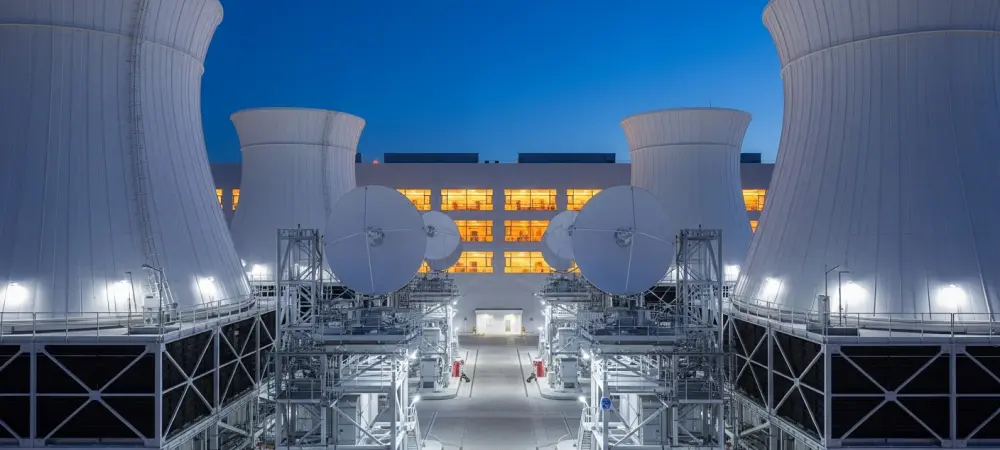
The rise of generative technologies and large-scale data processing has created an unprecedented demand for localized power and storage capacity. Traditional data facilities often lack the thermal management and electrical throughput required to handle modern workloads. To address this, there has been a significant push to establish specialized environments that can sustain high-density computing. The development of new facilities in areas like Taoyuan and Taichung represents a strategic effort to bridge the gap between existing capacity and the future requirements of both the public and private sectors. By launching large-scale facilities like the Lunping site, the company has added substantial capacity to its existing footprint, targeting a total contribution of 36MW. This expansion is not just about raw numbers; it is about providing the specific colocation environments that sensitive industries require. The collaboration with the Taiwan Stock Exchange to provide dedicated capacity for financial analytics demonstrates how specialized infrastructure supports high-frequency data needs. These projects ensure that the local market remains competitive by providing the physical backbone necessary for sophisticated digital operations.
Moreover, these investments act as a catalyst for broader regional development. By establishing high-tier data centers, the company attracts global technology firms looking for a reliable gateway into the Asian market. This creates a feedback loop where improved infrastructure leads to higher contract values and recurring revenue. The success of this model is evident in the rapid intake of orders for energy storage and smart surveillance, showing that physical capacity is the foundational element upon which all other digital services are built.
What Role Does the Integrated “Three A’s” Strategy Play in Overcoming Technological Bottlenecks?
Technological bottlenecks often occur when the speed of data processing outpaces the ability of networks to transmit that data efficiently. Even the most powerful processing hubs can become ineffective if the transit routes are slow or prone to latency. To solve this, a comprehensive framework known as the Three A’s has been implemented, focusing on the synergy between processing hubs and high-speed transit routes. This approach combines advanced data centers with cutting-edge networking to ensure that information moves seamlessly across terrestrial and maritime borders. A critical component of this strategy is All-Optical Networking, which utilizes innovative optical and wireless technologies to reduce latency to near-instantaneous levels. In contrast to traditional copper or hybrid systems, this optical layer provides the high bandwidth required for real-time artificial intelligence applications. The Sea-Land-Sky connectivity umbrella integrates submarine cables and satellite projects with terrestrial fiber. This multi-layered communication system ensures that even if one path is compromised, the data can be rerouted without a loss in performance, providing a safe harbor for global traffic. By controlling both the points of origin and the transit corridors, the company offers a level of security and reliability that is essential for international enterprises. The integration of satellite communications specifically provides a robust backup for terrestrial networks, ensuring that connectivity remains uninterrupted during global uncertainties. This strategic positioning has turned a traditional carrier into a global hub that manages the entire lifecycle of a digital signal.
How Do International Ventures and Specialized Subsidiaries Drive Global Market Growth?
Growth is no longer restricted to domestic borders as the demand for digital services has become a global phenomenon. International subsidiaries have seen an exponential increase in revenue, driven largely by their involvement in the global supply chain and large-scale infrastructure projects abroad. For example, significant developments in the United States and Southeast Asia have demonstrated the company’s ability to export its technical expertise. Projects in regions like Texas and Singapore have capitalized on the need for specialized construction and information services in the tech sector. The synergy between different business arms further enhances this global reach. Specialized subsidiaries have focused on niche markets such as semiconductor testing and advanced photonics, which are essential for the hardware that runs complex algorithms. The construction of new factories dedicated to high-performance chip testing ensures that the company remains a vital part of the hardware development cycle. Additionally, the establishment of investment funds focused on optical innovations allows for the continuous integration of new technologies into the core service offering.
This diversification ensures that the company is not dependent on a single revenue stream. While the core telecommunications business provides stability, these specialized ventures offer high-growth opportunities in emerging markets. Revenue from Southeast Asian operations has doubled, fueled by massive ICT projects in Vietnam and Thailand. By successfully navigating these different international landscapes, the organization has evolved into a multifaceted global player that supports the entire infrastructure of the digital age, from the silicon chips to the deep-sea cables.
Summary or Recap
The transformation into an infrastructure hub highlights a successful pivot from traditional utility services to high-value technology solutions. Key takeaways include the aggressive expansion of data center capacity to meet the processing demands of modern enterprise and the implementation of the Three A’s framework to eliminate networking bottlenecks. The growth in ICT revenue, particularly the recurring segments like cybersecurity and cloud services, proves that this strategy is financially sustainable. Furthermore, the international success in the United States and Southeast Asia showcases a robust ability to scale operations beyond local markets.
For those interested in the broader implications of these developments, exploring the role of All-Optical Networking in reducing global carbon footprints offers a deeper perspective. The focus on energy storage initiatives for power grids also suggests that the future of telecommunications is deeply intertwined with green energy and sustainability. These layers of innovation contribute to a more resilient and efficient digital ecosystem that supports both economic growth and technological advancement on a global scale.
Conclusion or Final Thoughts
The strategic shift toward becoming an AI infrastructure hub proved to be more than just a business pivot; it represented a fundamental reimagining of what a telecommunications provider could achieve in a software-driven world. By the time the industry reached the current landscape of 2026, the investments made in optical networking and specialized testing facilities had already established a new standard for regional connectivity. The integration of sea, land, and sky assets offered a level of redundancy that became essential for global stability. This period demonstrated that the winners in the digital economy were those who owned the physical foundations upon which virtual worlds were built.
Moving forward, the industry must consider how the convergence of satellite technology and high-density computing will further reshape urban planning and national security. The success of this model suggests that future infrastructure will need to be even more adaptable and decentralized to handle the next wave of innovation. For individuals and organizations alike, the lesson was clear: staying relevant required a proactive approach to infrastructure that anticipated demand before it fully manifested. This journey from a local carrier to a global powerhouse served as a definitive case study in technical resilience and strategic foresight.