

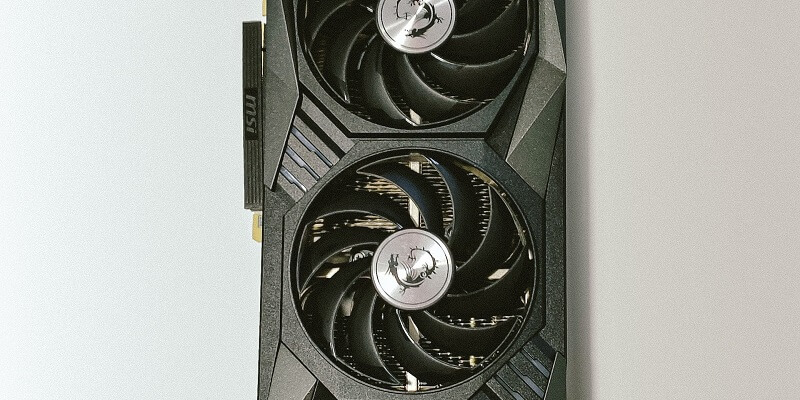
Chinese cooler manufacturer Hayaka has recently unveiled a limited edition cooler, fueling speculation about the highly anticipated Nvidia RTX 4090 Ti or Titan GPU. With its eye-catching design and reputed performance capabilities, this cooler has garnered significant attention from tech enthusiasts and collectors alike.
Pricing of the Limited Edition Cooler
Accompanying the launch of this exclusive cooler is a notable price tag. Hayaka has set the price at a staggering 888K RMB, which translates to approximately $120,000 / £95,000 / AU$180,000. While it may seem exorbitant to some, the steep price point reflects the limited availability and exclusive nature of this collector’s item.
Description of the cooler
The limited edition cooler from Hayaka comes in two magnificent color variations. The first option features the iconic GeForce magnesium palette, appealing to fans of the popular gaming brand. The second variant boasts an opulent Titan gold shroud, which adds a touch of luxury and uniqueness to the overall design. However, it is crucial to note that this cooler does not include any PCB or GPU. Consequently, its primary value lies in its rarity and desirability as a collectible item.
Speculation on the Nvidia RTX 4090 Ti
The release of this limited edition cooler has reignited speculation surrounding Nvidia’s next flagship GPU, the RTX 4090 Ti. Renowned Twitter leaker Kopite7kimi has recently shared intriguing rumors about the speculated GPU, providing some exciting potential specifications. According to Kopite7kimi, the RTX 4090 Ti could boast an impressive 18,176 CUDA Cores and feature 24GB of GDDR6X VRAM running at 24Gbps. Furthermore, the total board power usage is estimated to be approximately 600W. These rumored specifications have sent tech enthusiasts into a frenzy, eagerly awaiting official confirmation from Nvidia.
Introduction of the Titan GPU
In addition to the RTX 4090 Ti, rumors have circulated about the release of a potential Titan GPU. Twitter leaker MEGAsizeGPU shared intriguing images showcasing what could potentially be the Titan – a massive four-slot GPU that pushes power usage up to a staggering 800W. This development has sparked further speculation about Nvidia’s future GPU lineup and the potential performance capabilities of the Titan series.
Questions about practicality and development
While excitement surrounds the possibility of the RTX 4090 Ti and Titan GPUs, questions regarding their practicality and necessity have emerged. The speculated high power consumption has raised concerns among enthusiasts, to the extent that there are rumors suggesting potential development cancellation due to this issue. Nvidia faces the challenge of balancing performance and energy efficiency, ensuring that the GPUs meet the demands and practical requirements of consumers.
Hayaka’s limited edition cooler has generated significant buzz within the tech community, hinting at the existence of the highly anticipated Nvidia RTX 4090 Ti or Titan GPU. Though the extravagant price tag of 888K RMB may deter some, collectors and enthusiasts are eager to add this unique item to their collections. As speculation continues to swirl around the RTX 4090 Ti and Titan, only time will tell if these GPUs will become a reality. Nvidia remains tight-lipped, leaving enthusiasts eagerly awaiting official announcements to confirm or dispel the rumors surrounding these highly anticipated graphics cards.