

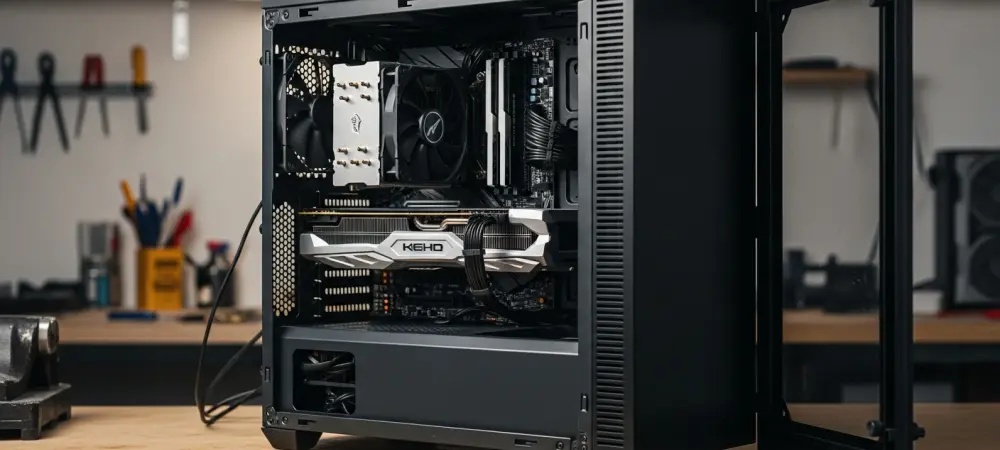
The unassuming shelves of local thrift stores, often seen as final resting places for outdated electronics, are increasingly becoming treasure maps for savvy PC builders on the hunt for unbelievable bargains. While online marketplaces dominate the secondhand hardware scene, a growing number of documented discoveries suggest that brick-and-mortar charity shops and pawn brokers may hold the key to jaw-dropping deals on powerful computer components. This trend challenges the conventional wisdom that valuable technology is only found through dedicated online channels, raising an important question for budget-conscious enthusiasts.
What if Your Next GPU Upgrade Costs Less Than a Cup of Coffee
The notion of acquiring high-performance computer hardware for a pittance seems more like a fantasy than a reality in a market defined by high prices and rapid innovation. Yet, persistent reports from community forums and social media platforms are forcing a reevaluation of where true value can be found. These accounts question the exclusivity of online retailers and auction sites as the sole source for secondhand components, suggesting that a significant number of powerful graphics cards, processors, and even complete systems are slipping through the cracks and landing on thrift store shelves.
The E-Waste Gold Rush Why High Tech Ends Up in the Bargain Bin
Several factors contribute to this surprising phenomenon. The relentless pace of technological advancement renders even recent-generation hardware obsolete in the eyes of some consumers, leading them to upgrade and donate perfectly functional equipment. Coupled with the high initial cost of new components, this upgrade cycle ensures a steady stream of discarded electronics. Often, these items are donated because they are presumed broken when they may only require a simple, inexpensive fix, creating an opportunity for those with basic technical knowledge to score a major windfall.
Tales from the Hunt Documented Jackpots and Legendary Finds
These opportunities are not merely theoretical. One of the most striking examples involved a Reddit user who purchased an Asrock Phantom Gaming RX 5700 XT graphics card from a Goodwill for only $4.99. The component, found in its original box, was restored to full functionality with nothing more than new thermal pads and paste. This is far from an isolated incident. Another shopper discovered a complete desktop PC for $30 that contained an MSI RTX 3080 Ti—a graphics card that originally retailed for over $1,100. Perhaps the most incredible find was a PC from a pawn shop, acquired for $600, that housed a Zotac 4070 Ti Super, a top-tier Core i9 CPU, and 64GB of DDR5 RAM, a collection of parts worth several times the purchase price.
From Urban Legend to Community Consensus The Proof is in the Posts
What might have once been dismissed as urban legends are now confirmed by a consistent flow of firsthand accounts from online communities. These digital forums have become hubs where hobbyists and builders share their successes, providing credible evidence that these bargain finds are a genuine and recurring event. The collective experience detailed in these posts transforms the idea of thrift store hunting from a hopeful gamble into a viable strategy for building a high-performance PC on a strict budget. This shared knowledge base serves as both inspiration and proof that remarkable value is out there for those willing to look.
A Practical Guide to Unearthing Your Own Buried Treasure
Success in this endeavor requires more than just luck; it demands a strategic approach. Prospective hunters should learn to recognize key visual cues, such as prominent brand logos like Corsair or Noctua, or signs of advanced cooling systems that hint at high-end components within an unassuming desktop case. It is also crucial to embrace the “as-is” nature of these purchases, understanding that many finds will necessitate cleaning, troubleshooting, or minor repairs. A successful strategy often involved visiting stores frequently to catch new inventory, thoroughly inspecting items even when boxed, and developing a working knowledge of component generations to distinguish valuable hardware from genuinely obsolete electronics. Following these steps greatly improved the chances of turning a thrift store visit into a significant technological upgrade.