

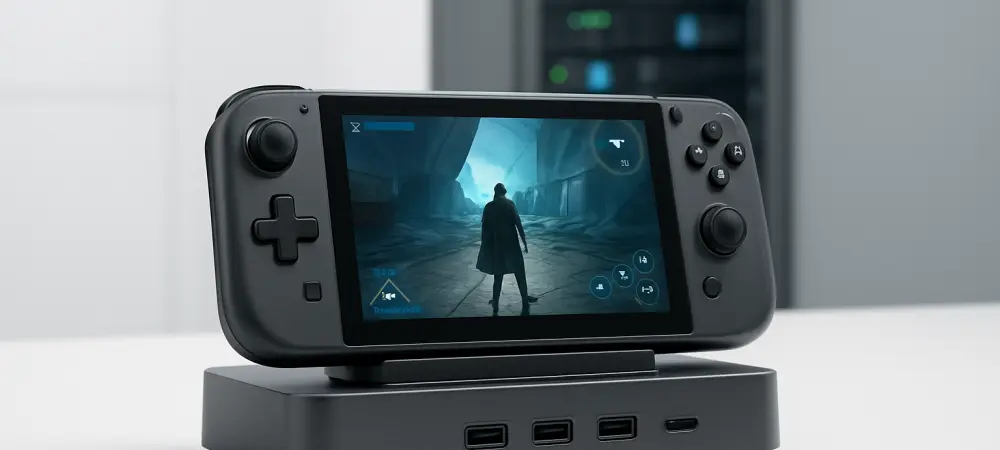
The rapid proliferation of handheld gaming PCs has fundamentally altered the expectations of consumers who now demand seamless access to their digital libraries regardless of the operating system. While the Steam Deck has pioneered a new age for Linux gaming, a significant portion of the PC market remains locked behind Microsoft’s proprietary walls. Specifically, the Xbox Game Development Kit (GDK) acts as a high-security gatekeeper, ensuring that PC Game Pass titles remain exclusive to Windows environments. This creates a distinct “walled garden” where subscribers are forced into specific hardware ecosystems or high-latency cloud solutions to access the games they already pay for.
The dominance of this Windows-centric architecture represents a major hurdle for the open-source community, which seeks to provide local hardware autonomy. Currently, the industry sees a clear divide between Microsoft’s cloud-first strategy and the push from developers to utilize local GPU power. As the market for alternative operating systems grows, the pressure to dismantle these barriers is mounting, leading to ambitious projects that aim to bridge the gap between subscription services and native Linux performance.
Strategic Shifts in Desktop Gaming and the Push for Local Hardware Utilization
Emerging Consumer Preferences: Native Play over Cloud Streaming
Consumers are increasingly moving away from the “cloud-first” narrative as the inherent limitations of game streaming become more apparent. While cloud solutions offer accessibility, native performance provides a level of stability and offline capability that server-side processing simply cannot match, especially on mobile devices. With subscription costs for premium cloud-enabled tiers continuing to rise, the economic incentive to find local hardware workarounds has never been higher for the average gamer.
Community-led initiatives are responding to this trend by prioritizing solutions that allow for offline play and reduced input lag. This shift indicates a broader desire for ownership and control over the gaming experience, moving away from the ephemeral nature of streaming services. As users invest in powerful handheld hardware, they expect to utilize the full potential of their devices without being tethered to a constant, high-speed internet connection.
Market Projections: The Expansion of Open-Source Gaming Frameworks
The Linux gaming market share has seen a steady upward trajectory, largely fueled by the maturity of compatibility layers like Proton. Integrating a service as massive as PC Game Pass would not just be a technical achievement; it would act as a significant market disruptor. Such a shift could potentially influence future hardware sales for manufacturers who are looking to compete with the Steam Deck by offering a truly open alternative to the Windows handheld monopoly.
Forward-looking data suggest that as these compatibility tools become more user-friendly, the reliance on Windows for high-end gaming will continue to diminish. The success of native Game Pass support could lead to a more decentralized industry where software subscriptions are no longer tied to a single operating system. This evolution would likely force major publishers to reconsider their platform-specific security measures in favor of broader accessibility.
Navigating the Technical Hurdles: The Xbox Game Development Kit
Breaking the Encryption: MSIXVC Packaging and Identity Authentication
The primary technical obstacle lies in the complexity of the Xbox Authentication Library and the proprietary MSIXVC container format. These systems are designed to encrypt game files and verify user identity in a way that traditional Windows emulators cannot easily replicate. However, the development of the xal-rs repository has provided a breakthrough by allowing non-Windows systems to navigate the device registration and token exchange process.
By reverse-engineering these gatekeeping mechanisms, the Xodus project has turned a once-impenetrable barrier into a solvable engineering problem. The ability to decrypt MSIXVC packages means that game executables can finally be extracted and examined outside the Windows environment. This is a pivotal first step toward making these titles runnable on Linux, as it removes the primary layer of obfuscation used by Microsoft to enforce platform exclusivity.
Bridging the Execution Gap: Runtime Emulation and Socket Communication
Beyond simple file access, the project must address the execution gap created by the xgameruntime.dll. This specific library handles the licenses and decryption keys during active gameplay, acting as a bridge between the game and the operating system. To overcome this, developers are utilizing Unix domain sockets to facilitate communication between the running game and the host system, effectively tricking the software into believing it is on a native Windows machine.
This strategy is essential for overcoming the lack of native support for modern titles, though it does not yet extend to legacy Universal Windows Platform architecture. By focusing on the GDK, the project targets the most relevant and modern segment of the Game Pass library. The successful implementation of this runtime bridge will be the deciding factor in whether these games can move from being “downloadable” to being “playable” on open-source platforms.
Legal Considerations: The Security Infrastructure of Reverse-Engineered Software
Navigating Open-Source Licensing: Reverse-Engineering Legality
Operating under the GPL-3.0 license, the Xodus project relies on the legal protections typically afforded to reverse engineering for the purpose of interoperability. By maintaining a strictly unofficial development status, the team manages to comply with the spirit of open-source transparency while navigating the complexities of Microsoft’s terms of service. This legal framework is vital for ensuring that the project remains a legitimate tool for subscribers rather than a target for copyright claims. The project emphasizes that its goal is to provide a service for existing account holders, not to facilitate piracy. By documenting every step of the process and keeping the code open to public scrutiny, the developers build a level of trust with the community. This approach helps protect the project from potential legal challenges while fostering an environment where other developers can safely contribute to the codebase.
Security Measures: The Impact of Third-Party Authentication
Account security remains a paramount concern when dealing with third-party authentication tools. The project utilizes sophisticated device registration protocols to ensure that user credentials and subscription tokens are handled with the same level of care as they would be on an official client. This infrastructure is designed to prevent unauthorized access while still allowing the flexibility required for a non-native environment.
The role of device tokens is central to maintaining a secure connection with Microsoft’s servers. As subscription services evolve, the industry may see changes in how these platforms handle access from non-traditional clients. Xodus serves as a test case for whether community-led security measures can satisfy the requirements of large-scale corporate service providers.
The Future Roadmap: Xodus and the Path to Seamless Integration
Expanding Compatibility: Beyond the GDK Framework
Once the core GDK runtime reaches a stable state, the roadmap for Xodus includes expanding support to a wider variety of titles. Games like Minecraft Bedrock Edition and various backward-compatible titles represent the next frontier for the project. These additions would significantly broaden the appeal of the tool, catering to a diverse demographic of gamers who are currently underserved by existing Linux compatibility layers.
Community-driven innovation will continue to play a major role in expanding the project’s scope to other systems, including macOS. By building a modular foundation, the developers have ensured that the software can adapt to new challenges as they arise. The long-term goal is to create a universal runtime that can handle any title within the Xbox ecosystem, regardless of the underlying hardware or operating system.
Innovations: Modular Architecture for Gaming Runtimes
The gaming industry is steadily moving toward decentralized software tools that offer greater flexibility for the end user. Integrating Xodus into existing launchers, such as the Heroic Games Launcher, would provide a streamlined experience for those who may not be comfortable with command-line interfaces. This modularity allows for the rapid integration of new features and updates, ensuring the software stays current with Microsoft’s own service changes.
The continued evolution of the Rust programming language has also been a boon for this type of system-level development. Its focus on memory safety and performance makes it the ideal choice for building a stable and secure gaming runtime. As global economic conditions and hardware availability continue to shift, these open-source tools will become increasingly important for maintaining a competitive and accessible gaming landscape.
Evaluating the Long-Term Potential: Xodus in the Open Gaming Landscape
The Xodus team demonstrated that even the most restrictive proprietary architectures are susceptible to community-driven innovation when there is a clear demand for hardware autonomy. By successfully navigating the initial authentication and decryption hurdles, the developers provided a functional blueprint for dismantling the software barriers that once seemed permanent. Stakeholders in the Linux ecosystem should have looked toward these modular solutions as a primary method for ensuring hardware longevity and user freedom. The project shifted the conversation from whether native support was possible to how soon it would become the industry standard for open platforms. Ultimately, the project highlighted a future where the choice of operating system no longer dictates the quality of a gamer’s library.