

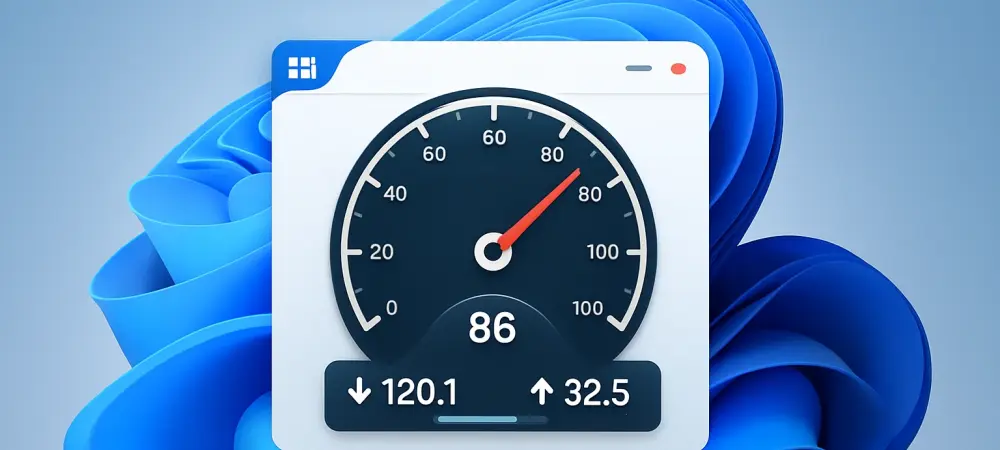
In an era where seamless internet connectivity is paramount for both work and leisure, the ability to quickly assess network performance has become a critical need for many users across the globe, and Microsoft seems to be addressing this demand with a new feature in Windows 11 that could potentially transform how individuals monitor their internet speeds. Recently spotted in preview builds of the operating system, this built-in speed test tool promises to offer a handy solution right from the taskbar or Wi-Fi settings. Rather than relying on third-party websites or standalone apps, users may soon have the ability to check their connection with just a few clicks. This development raises intriguing questions about convenience and accessibility, as well as how it fits into the broader landscape of operating system enhancements. As technology continues to evolve, such integrations could redefine user expectations for built-in utilities, making everyday digital tasks smoother and more efficient.
Unveiling a Streamlined Approach
The introduction of an internet speed test tool in Windows 11 represents a notable step toward enhancing user experience by embedding practical functionality directly into the system. Accessible through a “Perform speed test” option in the network settings menu, this feature aims to eliminate the hassle of navigating external platforms to gauge connection quality. Its placement alongside other network tools, such as diagnostic options, suggests a thoughtful design focused on centralizing essential utilities. However, the tool currently redirects users to Bing’s speed test service, a decision that ties it to Microsoft’s ecosystem rather than offering a fully independent solution. While this integration ensures a quick launch in the user’s default browser, it also highlights a recurring theme of promoting proprietary services. This approach, though efficient for some, may not resonate with everyone, especially those who prefer alternative testing platforms or greater control over their digital tools.
Balancing Utility with Corporate Strategy
Microsoft’s decision to link the speed test feature to Bing reflects a broader strategy of weaving its services into core system functionalities, a practice that has often sparked debate among tech enthusiasts and industry observers. While the choice to support default browsers rather than mandating Microsoft Edge shows a nod to user preference, the lack of options for alternative speed test providers remains a sticking point. This limitation could dampen the feature’s appeal for those who value flexibility over convenience. On a positive note, since the tool is still in the testing phase within preview builds, there’s potential for refinement. Future updates might introduce customization, allowing users to select their preferred testing service or adjust how the feature operates. This duality of innovation and restriction captures the challenge of balancing user-friendly additions with corporate interests, a dynamic that continues to shape the evolution of Windows 11 as a platform for modern computing needs.
Looking Ahead to Refined Solutions
Reflecting on this development, Microsoft took a promising step by embedding an internet speed test in Windows 11 preview builds, aiming to simplify a common task for millions of users. The journey, however, revealed a blend of accessibility and constraint, as the redirection to Bing underscored a persistent focus on ecosystem integration. Moving forward, the tech community can anticipate potential enhancements that prioritize user choice, perhaps through partnerships with diverse speed test providers or customizable settings. As Windows 11 continues to evolve, stakeholders should advocate for features that empower rather than limit, ensuring that convenience does not come at the expense of autonomy. Exploring feedback mechanisms during testing phases could also guide Microsoft in fine-tuning this tool, ultimately crafting a solution that resonates with a broad audience. This moment serves as a reminder that innovation thrives when it aligns with the diverse needs of users navigating an ever-connected digital world.