

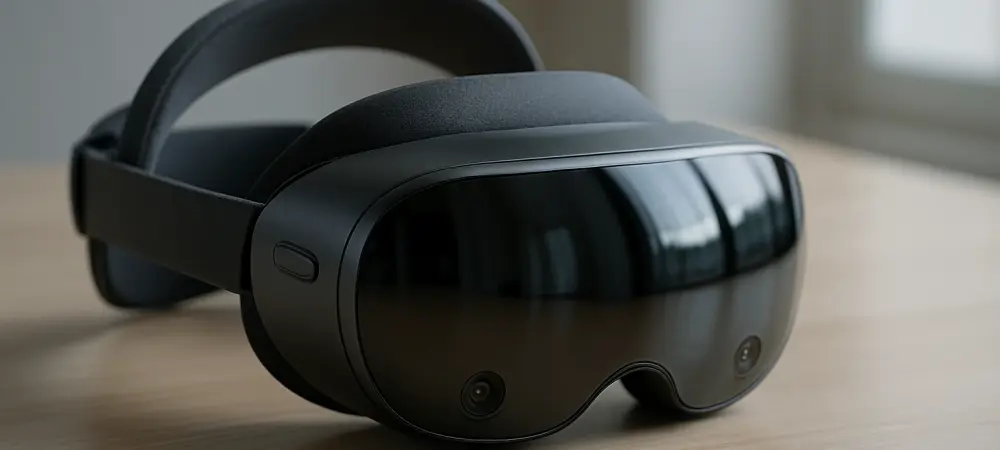
In a rapidly evolving tech landscape, the mixed reality (MR) market is becoming a battleground for innovation, with major players vying for dominance through cutting-edge headsets that promise to redefine user experiences. Among the latest contenders is Vivo, a brand traditionally known for smartphones, now stepping into the MR arena with its highly anticipated Vivo Vision headset. Unveiled earlier this year at a prominent Asian tech forum, this device has sparked intrigue due to its sleek design and ambitious goals. As whispers of its capabilities spread, the industry watches closely to see if Vivo can challenge the established benchmark set by Apple’s Vision Pro. This emerging rivalry raises questions about whether a newcomer can disrupt a segment already dominated by a tech giant, especially in a space where design, comfort, and functionality are paramount. The stage is set for a compelling showdown, with Vivo’s latest updates hinting at a product that could shake up market dynamics.
Design Innovations and User Comfort
The Vivo Vision headset has already generated buzz for its aesthetic and ergonomic approach, positioning itself as a serious competitor in the premium MR category. According to recent insights shared by Han Boxiao, a key product manager at Vivo, on a popular Chinese social platform, the device boasts a lightweight build that rivals the comfort of high-end headphones. Described as having an “amazing, simple, and elegant” look, the headset prioritizes user satisfaction with a design that feels almost addictive to wear. Functional elements, such as a rotating dial and dual buttons on the right arm, add to its practicality, offering intuitive control for users. While exact specifications like weight remain undisclosed, the emphasis on comfort suggests Vivo is targeting long-term wearability, a critical factor in MR adoption. Beyond aesthetics, the company has set up an exclusive experience zone for select testers, ensuring real-world feedback shapes the final product. This meticulous attention to design and user interaction highlights Vivo’s intent to deliver a polished contender that could rival established players in the market.
Market Positioning and Launch Anticipation
As Vivo gears up for the official release of its Vision headset, the strategic moves behind the scenes signal a deliberate effort to carve out a significant share of the MR market. The company is reportedly in full preparation for a major press event, though a specific launch date remains under wraps. This calculated buildup of anticipation mirrors tactics often seen in the tech industry, where hype can be as crucial as the product itself. What sets Vivo apart in this narrative is the clear intent to position its headset as a direct alternative to Apple’s Vision Pro, with design parallels that invite inevitable comparisons. Yet, uncertainty lingers about whether the current iteration represents a prototype or the final market-ready version, leaving analysts and enthusiasts speculating about the timeline and ultimate feature set. Nevertheless, the confidence expressed by Vivo’s leadership in the headset’s potential impact reflects a bold ambition. As preparations continue, the tech world awaits a debut that could redefine expectations, potentially establishing Vivo as a formidable force in the mixed reality space.