

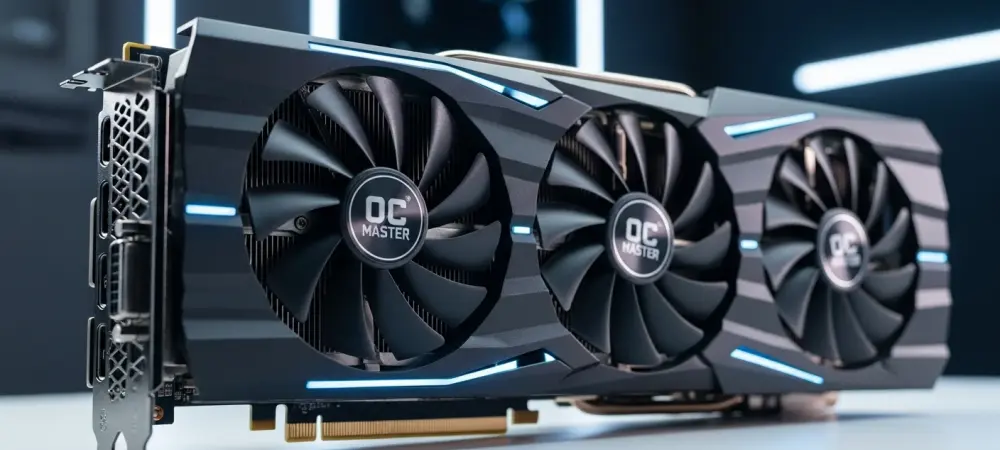
Achieving consistent sixty frame per second performance at native four K resolution without relying on aggressive upscaling techniques has long remained the exclusive domain of the most expensive flagship graphics cards available. The shift toward high-fidelity visual standards has transformed the mid-range GPU market into a primary battleground for hardware manufacturers seeking to capture the attention of dedicated enthusiasts. The introduction of the XFX RX 9070 OC marked a significant departure from this trend by offering a specialized overclocked solution designed to bridge the gap between high-end performance and mid-market affordability. As consumers increasingly prioritize pixel density and detail, the pressure on manufacturers to deliver reliable hardware under the seven hundred dollar mark has intensified. This specific card challenged the status quo by leveraging refined manufacturing processes and optimized board designs to handle the immense throughput required for UHD gaming.
Architectural Refinement: The Power of RDNA Technology
The underlying architecture of this card utilized the latest advancements in RDNA technology to maximize the efficiency of every watt consumed during intense gaming sessions. By refining the compute unit structure, the silicon achieved higher instructions per clock compared to the previous iteration, which proved vital for maintaining frame consistency in graphically demanding environments. XFX integrated a custom-engineered printed circuit board that featured enhanced power phases to ensure that the factory overclock remained stable even under heavy thermal loads. This hardware configuration allowed the GPU to maintain higher sustained boost clocks without the frequency throttling issues that frequently plagued lesser models in the same price bracket. Furthermore, the inclusion of high-speed video memory provided the necessary bandwidth to load high-resolution textures instantaneously, preventing the micro-stuttering that can break immersion in open-world titles.
In addition to raw power, the integration of dedicated ray tracing and artificial intelligence acceleration units provided a more comprehensive visual experience across a variety of modern software. These specialized cores handled the complex calculations required for realistic lighting and shadows, reducing the burden on the primary shaders and allowing for a more balanced distribution of workloads. The hardware was specifically optimized to work in tandem with advanced upscaling algorithms, such as FSR 4, which utilized machine learning to reconstruct images with remarkable clarity at high resolutions. This synergy between physical hardware and sophisticated software ensured that even the most taxing titles could run smoothly at 4K. By focusing on the interplay between AI-driven frame generation and native compute strength, the card offered a level of flexibility that accommodated both purists and those willing to leverage modern performance-boosting technologies for a smoother experience.
Strategic Implementation: Optimizing the 4K Gaming Ecosystem
Real-world gaming scenarios revealed that the performance profile of the hardware was particularly well-suited for a diverse range of genres, from fast-paced shooters to atmospheric role-playing games. In competitive environments, the high throughput enabled extremely low latency, providing a distinct advantage for players who relied on rapid response times at high resolutions. For cinematic experiences, the card maintained impressive frame averages, ensuring that the visual fidelity of 4K textures was never compromised by technical limitations. Thermal management played a crucial role in these results, as the oversized cooling solution prevented the accumulation of heat that could otherwise destabilize the system during extended play. The balance of noise levels and temperature control indicated a sophisticated approach to industrial design, making it a viable option for those who preferred a quieter desktop environment. This capability showcased a mastery of the thermal challenges inherent in 4K gaming. The analysis of the XFX RX 9070 OC demonstrated that high-tier gaming performance became accessible without requiring an exorbitant financial commitment. Gamers who prioritized thermal efficiency and stable frame rates across modern titles found that this specific model addressed the limitations seen in previous generations. The hardware provided a reliable foundation for those transitioning to high-refresh-rate 4K monitors while maintaining a reasonable power profile. Future-proofing required users to monitor power supply compatibility with the card’s transient spikes and to leverage machine learning upscaling for optimal efficiency. Those seeking longevity prioritized the robust heatsink design to avoid thermal degradation over multiple years of heavy usage. This hardware investment simplified the transition to ultra-high-definition ecosystems for a broader segment of the community. Every strategic purchase considered during this period emphasized the necessity of balancing raw silicon speed with intelligent cooling.