

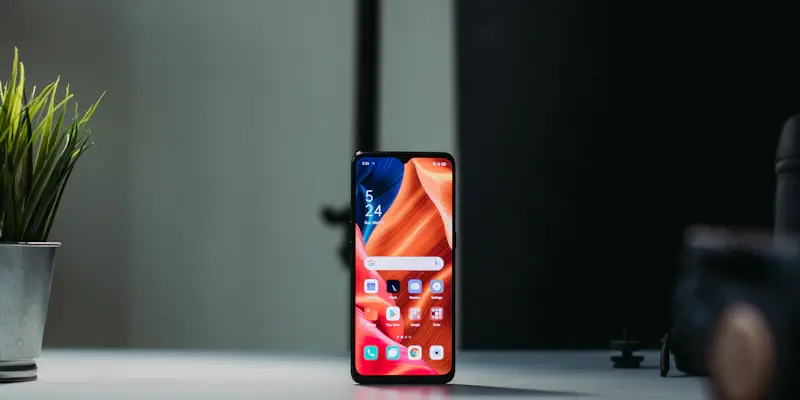
The Oppo Find N5, the latest entrant in the foldable smartphone market, marks a notable advancement in design and functionality. At a glance, it has the potential to shift the landscape of foldable phones with its innovative features and specs that challenge existing market standards. What makes the Find N5 stand out is its elegant and slim design, which aligns perfectly with Oppo’s reputation for premium aesthetics. The robust hinge mechanism is particularly highlighted for its durability, ensuring that the phone remains both sleek and functional when folded. The external screen design mimics traditional smartphones, making it versatile for varied usage scenarios. Such emphasis on design and user-friendliness might just be what the foldable smartphone market has been waiting for.
Superior Display and Innovative Design
The AMOLED display of the Oppo Find N5 sets a high bar for performance, boasting rich colors and deep blacks that elevate media consumption and gaming experiences. The device incorporates a new hinge technology that ensures a gapless fold, maintaining the phone’s compactness without compromising on the quality of the visual display. This, along with the highly responsive touch screen, guarantees a seamless and engaging user experience, whether one is watching videos, playing games, or navigating through various applications. The Find N5’s design is not just about aesthetics but also about enhanced usability and durability, making it a formidable competitor in the foldable smartphone market.
One of the main challenges with foldable smartphones has always been durability, with many earlier models faltering over time due to weak hinge mechanisms. Oppo tackles this issue head-on with the Find N5, implementing a robust hinge that promises prolonged durability. The sleek design does not sacrifice sturdiness; instead, it complements it. The external screen, which mimics the look and feel of a traditional smartphone when the device is folded, adds an element of versatility to the phone’s design. Users can easily switch between the folded and unfolded modes depending on their needs, making the device suitable for various scenarios—from casual browsing to professional use.
High-End Hardware and Performance
Performance-wise, the Oppo Find N5 does not disappoint, equipped with a cutting-edge Snapdragon chipset combined with ample RAM to facilitate smooth multitasking and rapid application launches. This powerful hardware setup supports high-end games and professional software, effectively ensuring the Find N5’s versatility and responsiveness in a wide array of tasks. The battery life is another area where the Find N5 shines, featuring a large battery complemented by fast-charging and wireless charging options—a solution to the typical battery concerns associated with foldable phones.
The integration of advanced hardware in the Find N5 goes beyond mere performance metrics, extending to real-world usability. With the Snapdragon chipset and generous RAM, multitasking becomes incredibly fluid, allowing users to switch between apps with minimal lag. This is particularly beneficial for users who run demanding applications or engage in high-end gaming. The inclusion of fast charging and wireless charging is a thoughtful addition that addresses one of the primary concerns of foldable phone users—battery life. By ensuring that the device can be quickly powered up, Oppo enhances the overall user experience, making the Find N5 a practical choice for those who are always on the go.
Advanced Camera and Optimized Software
Camera functionality is another standout feature of the Oppo Find N5. Despite the structural challenges posed by foldable phones, the Find N5 incorporates a high-resolution primary sensor, an ultra-wide-angle lens, and a telephoto lens, thus ensuring that images captured are of superior quality irrespective of lighting conditions. The front-facing cameras are strategically placed to enhance selfie and video call experiences, bolstered by AI-based enhancements that reduce the need for post-editing. This focus on camera quality makes the Find N5 appealing to photography enthusiasts and social media influencers who require a reliable and high-performing camera on their smartphones.
Oppo’s optimization of its ColorOS to effectively leverage the foldable nature of the Find N5 is particularly noteworthy. Features like split-screen multitasking, floating windows, and app continuity significantly enhance the fluidity and intuitiveness of the user interface, providing an enriched user experience. The phone is also highly customizable, with AI-based optimizations and gesture controls further enhancing usability and making the device feel truly personal. These software adaptations ensure that the foldable design is not just a gimmick but a functional aspect of the phone, allowing users to fully exploit the benefits of the foldable form factor.
Tackling Market Competition and Setting New Benchmarks
The Oppo Find N5, the newest player in the foldable smartphone arena, signifies a considerable leap in both design and functionality. Boasting features that could potentially reshape the foldable phone market, this device offers innovative specifications that challenge current industry benchmarks. One of the Find N5’s standout attributes is its sleek and refined design, staying true to Oppo’s commitment to high-end aesthetics. The durability of its robust hinge mechanism is particularly commendable, ensuring the device remains elegant and practical even when folded. The external screen is crafted to resemble traditional smartphones, enhancing its usability across various scenarios. By emphasizing both design and ease of use, the Oppo Find N5 may be precisely what the foldable smartphone sector needs to attract more users. The phone’s combination of style and performance could indeed mark a turning point for foldable devices, making them more appealing to a broader audience. If these qualities are any indication, the Oppo Find N5 sets a new standard that others in the market may soon follow.