

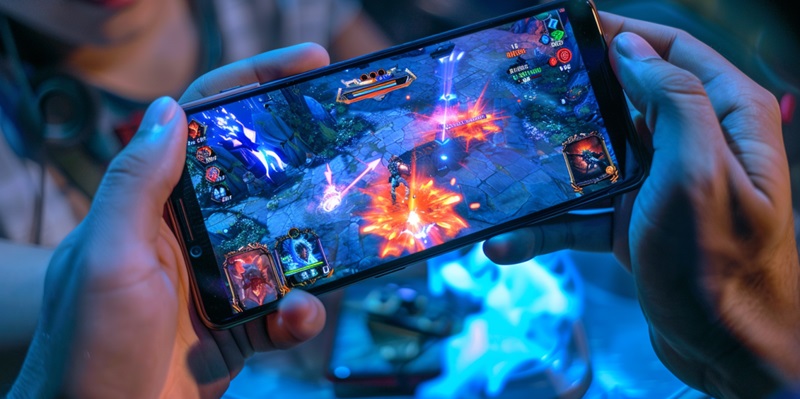
The gaming world constantly evolves, with every new device promising an enhanced experience for its devotees. The Infinix GT 20 Pro’s launch heralds a potential transformation in mobile gaming, especially within the bustling eSports realm. Its ties to the celebrated eSports title, Mobile Legends: Bang Bang (MLBB), underscore a devoted effort toward catering to the needs of the gaming community. This comes off the back of the GT 10 Pro’s proven track record, having been the go-to smartphone for professional players during the MPL-PH Season 13 games. Such a pedigree not only underpins Infinix’s commitment but also its capability to perform under pressure, a crucial aspect for any aspiring gaming device.
A Powerhouse of Performance
When it comes to speed and performance, the GT 20 Pro is a beast. At its core lies the cutting-edge Dimensity 8200 Ultimate Processor, providing the muscle needed for the most demanding games. Add to that an impressive 24GB of RAM, and you’ve got a device that can smoothly handle multiple applications at once, ensuring a seamless gaming session. Notably, the incorporation of the Pixelworks X5 chipset in the display allows for an exhilarating 120 FPS frame rate, serving up a fluid visual feast for the eyes. But performance isn’t just about speed—it’s also about sustainability. The smartphone’s cooling system has been put through its paces and the results are in: it effectively maintains safe operational temperatures, even after hours of gameplay. For gaming purists, this means uninterrupted sessions without the worry of overheating.
For those who strive for the immersion of a true gaming environment, the GT 20 Pro offers a specialized eSports Mode. Combined with the richness of a JBL-powered audio system, players find themselves enveloped in a world of sound and fury, signifying every move they make on the virtual battlegrounds. Such features are, rightfully, becoming standard expectations among gamers seeking a full-package phone that can replicate the intensity and atmosphere of console gaming.
Priced for Competition
The gaming landscape is perpetually evolving, and Infinix’s latest brainchild, the GT 20 Pro, is positioned to revolutionize mobile gaming, particularly in the dynamic eSport arena. Its strategic partnership with the acclaimed eSport title, Mobile Legends: Bang Bang, signifies a concerted effort to meet the specific needs of gamers. Following the success of its predecessor, the GT 10 Pro, which became the preferred smartphone for professionals in the MPL-PH Season 13 competitions, the GT 20 Pro is set to build on that reputation. This lineage highlights Infinix’s commitment to gaming and its proven ability to withstand high-pressure situations. As gamers seek devices that can endure the challenges of competitive play, the Infinix GT 20 Pro rises to the occasion, poised to be a game-changer for eSports aficionados.