

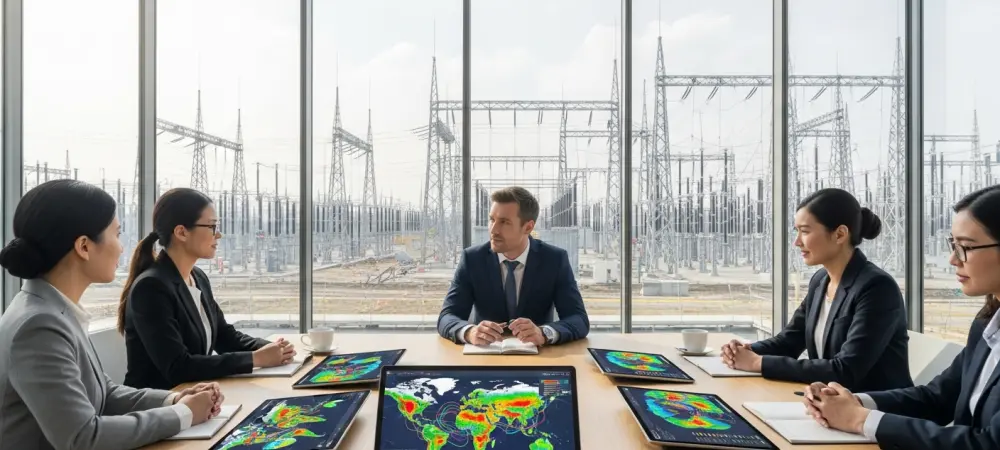
The global electrical grid, a centuries-old marvel of engineering, is currently vibrating under the unprecedented physical strain of artificial intelligence models that consume energy as fast as they can learn. As 2026 unfolds, the industry faces a 67.7GW reality check, where data centers now command a 1.9% share of the world’s total electricity generation. This shift represents more than just a growing utility bill; it marks a fundamental change in the relationship between bits and atoms, where the digital frontier is increasingly limited by the availability of copper and electrons.
The Gigawatt Gap: Why AI’s Success Depends on the Physics of the Grid
Following the watershed events of 2025, which saw a 50% surge in AI-specific electricity consumption, the stability of regional utilities has come under intense scrutiny. The sudden concentration of demand in specific geographic hubs has outpaced the physical capacity of traditional transformers and transmission lines. This bottleneck is no longer a theoretical concern for researchers but a day-to-day operational hurdle that dictates where the next generation of intelligence can be housed.
The International Energy Agency has highlighted this existential challenge by projecting that global demand will reach 945TWh by 2030. For traditional energy delivery systems, accommodating such a concentrated load is no longer a matter of simple upgrades but requires a complete overhaul of how power is prioritized. As these facilities transition into the gigawatt-scale, the sheer volume of power required creates a gravitational pull that distorts local energy markets and forces a total reassessment of grid physics.
From Cloud Consumption to Infrastructure Crisis: The AI-Energy Nexus
The transformation of data centers from standard service providers into massive energy sinks is largely driven by the relentless expansion of Large Language Models. Applications like ChatGPT and Gemini have altered the fundamental architecture of computation, requiring constant, high-intensity cooling and power throughput to maintain neural network operations. This nexus of energy and innovation has placed the United States at the epicenter of global demand, as the nation currently accounts for 43% of the sector’s global power draw.
Moreover, the pace of technological scaling has officially decoupled from the capacity of utility grids to expand. While a software update can be deployed in minutes, the construction of a new substation or a high-voltage transmission line often spans a decade. This mismatch has created a crisis where the most advanced AI researchers find themselves waiting for physical infrastructure to catch up with their virtual breakthroughs, leading to a structural delay that threatens the momentum of digital transformation.
The New Power Paradigm: Decoupling Infrastructure from Traditional Utilities
A landmark regulatory shift arrived with the 2026 FERC directive, which forced regional transmission organizations to formally support co-location and behind-the-meter generation. This policy recognizes that the traditional model of relying on a distant power plant to feed a local grid is no longer viable for modern high-density operations. By allowing data centers to generate and manage their own power on-site, regulators have opened the door for a new era of infrastructure independence that bypasses the limitations of public utilities.
The “Bring-Your-Own-Power” model is now the standard for operators seeking to avoid the bureaucratic delays of traditional grid interconnects. This trend has also shifted the geographic focus toward “Goldilocks” nations, which offer an ideal balance of untapped infrastructure and investment stability. Emerging markets like Malaysia and Kenya are becoming primary targets for digital investment because they possess the overhead capacity that Western hubs currently lack, providing a competitive alternative for the next generation of facility development.
Lessons from the Vanguard: Nuclear Partnerships and the Costs of Stagnation
Ireland serves as a stark warning of what happens when infrastructure growth is neglected in favor of the status quo. The Dublin moratorium and the subsequent Large Energy Users Connection Policy now require any new facility to commit to 80% renewable self-generation before they can even break ground. This shift toward radical self-sufficiency was born out of necessity, as the national grid struggled to keep pace with a sector that consumed a fifth of the country’s total electricity. The economic stakes of these infrastructure delays are immense, with current estimates suggesting that a single 100MW deployment delay can cost an operator upwards of $10,000 per megawatt every day in lost opportunity. To mitigate these risks, industry leaders are turning toward a nuclear renaissance. Direct partnerships, such as the deal between Google and Kairos Power or the reactivation of the Three Mile Island facility for Microsoft, demonstrate a move toward dedicated, carbon-free baseload power. This ensures that the most critical digital assets remain insulated from the volatility of the public grid.
A Strategic Framework for Energy-Resilient AI Development
To build a truly resilient digital future, operators must first address the “zombie” footprint of idle software that continues to drain resources without purpose. Practical strategies for decommissioning obsolete applications could reclaim up to 3GW of wasted energy capacity in the United States alone. This reclamation of power provides an immediate buffer while longer-term solutions, such as the integration of Small Modular Reactors and hydrogen fuel cells, are brought online to bridge the gap toward sustainable facilities. Strategic regional selection has become the most critical tool for energy-resilient development moving forward. By leveraging data like the IDCA Digital Readiness Index, developers can identify nations that possess existing electrical overhead and a willingness to integrate data centers into their local economies. The goal has shifted toward creating a symbiotic relationship where data center heat and power demands contribute to local growth rather than competing with the basic energy needs of residents and traditional industries.
The transition to energy-conscious computing proved that the era of unlimited grid access had ended. Successful operators recognized that localized power generation was not just a strategic advantage but a requirement for survival. They shifted their focus from raw computational benchmarks to the holistic efficiency of the entire ecosystem. This movement fostered a new alignment between the digital economy and the physical realities of the planet, ensuring that progress remained sustainable. Global leaders subsequently adopted frameworks that prioritized energy autonomy, effectively insulating the growth of intelligence from the fragilities of aging infrastructure.