

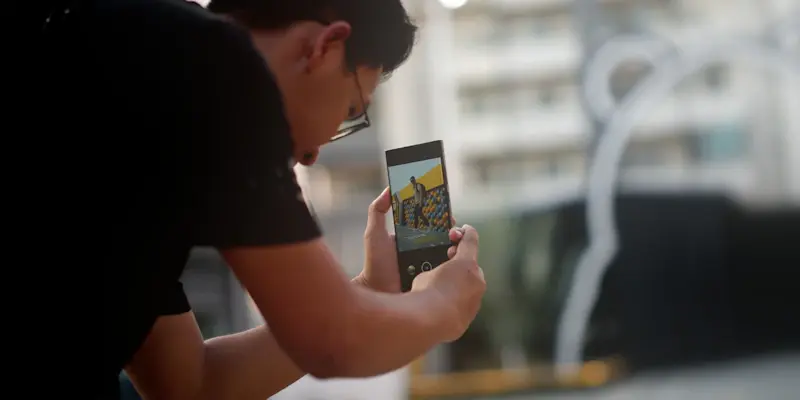
The Samsung Galaxy S25 and S25 Plus have arrived, generating excitement with their potential to elevate smartphone photography to new heights. Although these new models maintain the same camera specifications as their predecessors, they come with enhanced software and artificial intelligence (AI) tools aimed at delivering an exceptional photographic experience. Renowned technology reporter Abrar Al-Heeti from CNET has delved deep into the camera performance of these devices to assess whether they can truly reshape the landscape of smartphone photography.
Unveiling the Camera Specs
Both the Galaxy S25 and S25 Plus feature a 50-megapixel wide camera, a 12-megapixel ultrawide camera, a 10-megapixel 3x telephoto camera, and a 12-megapixel front-facing camera. While these specifications may appear familiar to those who have used Samsung’s previous models, the true innovation lies in the software enhancements and AI tools that have been integrated into these devices. A standout feature among these enhancements is the Generative Edit tool, which allows users to seamlessly remove unwanted objects from images, filling in the background as if nothing had been altered. This tool significantly enhances the overall image quality by maintaining the integrity of the photograph.
The AI capabilities extend beyond simple background adjustments, playing a crucial role in reducing noise in nighttime videos and images. This has resulted in remarkably vivid and clear night shots, a feature particularly beneficial for users who enjoy night photography or frequently capture moments in dimly lit environments. Furthermore, these AI tools help ensure that photos taken under various lighting conditions appear consistently sharp and vibrant, thereby enhancing the overall user experience.
Real-World Camera Performance
Testing the camera is often the highlight of any phone review process, and Al-Heeti’s enthusiasm for this task is evident. She captures a variety of subjects with the Galaxy S25 and S25 Plus, ranging from vibrant flowers and detailed portraits to sharp low-light images and scenic wide-angle views. Despite the similarities in hardware specifications, the Galaxy S25 and S25 Plus handle different photographic scenarios exceptionally well, demonstrating their prowess in delivering high-quality images.
In her review, Al-Heeti showcases several of her favorite shots, emphasizing the remarkable picture quality produced by these phones. The proficiency of the cameras in capturing true-to-life colors, paying meticulous attention to detail, and effectively using background blurring in portrait mode is consistently praised. The diverse range of photos included in the article highlights the strength of both models in various photographic conditions, reinforcing the capabilities of these smartphones.
AI Enhancements and Night Photography
One of the most impressive aspects of the cameras on the Galaxy S25 and S25 Plus is their exceptional performance in low-light environments. The AI tools integrated into these devices significantly reduce noise in nighttime images, resulting in sharp, vivid, and highly detailed photos. This capability is particularly advantageous for users who are passionate about night photography or often find themselves capturing moments in dim or low-light conditions.
The Generative Edit tool also plays a pivotal role in enhancing the overall aesthetics of photographs. Its consistent reliability in removing unwanted elements and seamlessly filling in backgrounds is a game-changer for smartphone photography. This tool enables users to create professional-looking photos without the need for extensive post-processing or external editing software. The ease with which users can achieve high-quality results further underscores the innovative nature of Samsung’s approach to camera technology.
Comparing the S25 and S25 Plus
While the Galaxy S25 and S25 Plus share identical camera hardware, there are noticeable differences in display size and battery capacity. The Galaxy S25 Plus boasts a 6.7-inch display and a 4,900mAh battery, as opposed to the Galaxy S25’s 6.2-inch display and 4,000mAh battery. However, these differences do not affect the camera performance, ensuring that both models deliver consistent photographic results regardless of the minor hardware variations.
Both the Galaxy S25 and S25 Plus excel in a wide array of photographic conditions, thanks to their advanced AI tools and sophisticated camera algorithms. The article includes numerous examples of photos taken with both models, showcasing their ability to produce sharp, vibrant, and detailed images. The consistent quality of the images across various scenarios attests to the strength and reliability of the camera systems in these devices.
Portrait Mode and Wide-Angle Shots
Portrait mode is a recurring highlight throughout the review of the Galaxy S25 and S25 Plus cameras. This mode elegantly balances focus and background blur, resulting in professional-looking photographs that emphasize the subject while maintaining a pleasing background. The effective use of background blurring in portrait mode is consistently praised, as it enhances the overall aesthetic of the photos and proves the capability of these smartphones to capture striking images.
Wide-angle and ultrawide shots taken with the Galaxy S25 and S25 Plus also maintain a natural feel, with perfect subject-background separation and vibrant color rendering. The cameras excel in capturing true-to-life colors and attention to detail, as evidenced by the showcased photographs. Whether photographing expansive landscapes or intimate close-ups, both models demonstrate a remarkable ability to capture a wide range of scenes with exceptional clarity and color accuracy.
Samsung’s Commitment to Camera Innovation
The highly anticipated Samsung Galaxy S25 and S25 Plus have finally arrived, sparking excitement among technology enthusiasts who look forward to their potential to revolutionize smartphone photography. While these new models retain the same camera specifications as their predecessors, they introduce upgraded software and advanced artificial intelligence (AI) tools designed to provide an extraordinary photographic experience. Renowned CNET technology reporter Abrar Al-Heeti has delved into the performance of the cameras on these devices to determine whether they can truly transform the current landscape of smartphone photography. Al-Heeti’s analysis includes an in-depth review of the enhanced software and AI capabilities, highlighting how these improvements can potentially set a new standard in the industry. By exploring the changes and innovations brought about by these devices, the report aims to offer insights into the future of mobile photography and whether the Samsung Galaxy S25 series can live up to the lofty expectations surrounding it.