

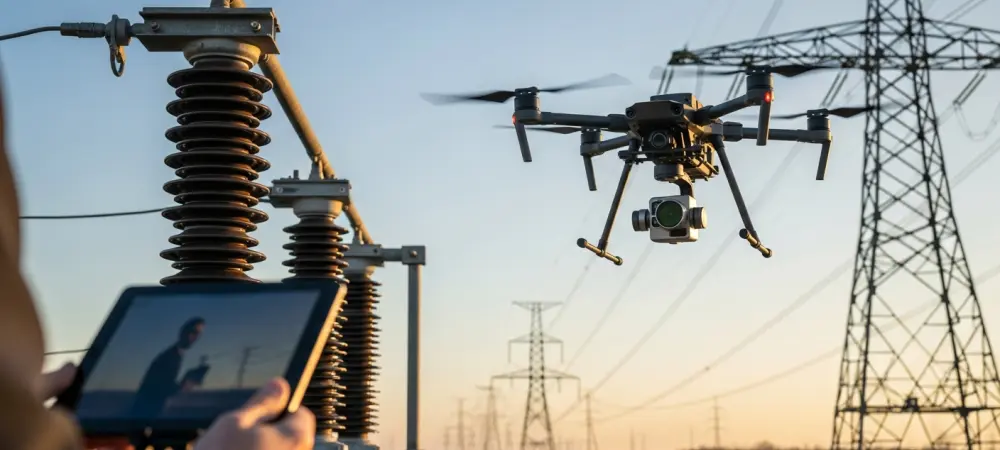
High above a remote power substation, a silent observer detects a microscopic fracture in a ceramic insulator that would have eventually triggered a massive blackout for thousands of residents. This scenario is no longer a hypothetical exercise in high-tech wishful thinking but a daily reality as Telefónica pioneers the integration of unmanned aerial vehicles with advanced cellular architecture. The transition from labor-intensive manual inspections to automated oversight represents a seismic shift in how modern nations maintain their most critical assets. Historically, assessing vast energy grids or transcontinental pipelines required hundreds of technicians, significant downtime, and staggering insurance costs. By deploying a sophisticated ecosystem where high-bandwidth connectivity meets artificial intelligence, the telecommunications giant is effectively rewriting the operational playbook for utility providers and industrial conglomerates alike. This evolution prioritizes a remote-control framework that provides unprecedented visibility into infrastructure that was previously too difficult or dangerous to monitor frequently.
Innovations in Connectivity and Performance
Synergizing Advanced Networks: The Role of 5G and Edge Computing
The success of the “Drone as a Service” model relies on the synergistic relationship between 5G, edge computing, and computer vision technologies. Telefónica’s 5G network provides the high-bandwidth, low-latency link necessary for pilots to control drones over vast distances far beyond their visual line of sight. By processing data at the edge of the network rather than in a distant central server, the system achieves minimal latency, turning drones into immediate response tools. This capability is crucial when seconds matter, such as during a sudden leak in a natural gas pipeline or a brush fire encroaching on electrical pylons. Without the rapid throughput of 5G, the delay in command execution would render remote operations over long distances unsafe and impractical. This architectural shift ensures that the drone remains an agile extension of the operator’s intent, regardless of the physical distance separating the control center from the flight path.
Operational Efficiency: Transitioning to Predictive Maintenance Models
Beyond technical connectivity, this integration has a tangible impact on operational efficiency and predictive maintenance strategies. In traditional models, a massive portion of the maintenance budget is swallowed by the logistics of deploying human crews to remote or hazardous locations. These inspections were often reactive, occurring only after a visible problem emerged, which increased the risk of catastrophic failure. By shifting toward an automated model, companies can implement frequent, low-cost monitoring schedules that catch degradation in its infancy. This proactive approach not only extends the lifespan of expensive assets like wind turbines or railway bridges but also ensures that specialized human technicians are only sent into the field when a specific repair is actually required. The reduction in unnecessary site visits contributes to a significantly lower carbon footprint and minimizes the occupational hazards associated with climbing high-voltage towers.
Intelligence and Autonomy in Asset Management
Computer Vision: Transforming Visual Data into Actionable Insight
Computer vision artificial intelligence acts as the cognitive engine that converts raw visual data into actionable intelligence for infrastructure managers. Instead of forcing human operators to sift through thousands of hours of flight footage, the AI autonomously identifies thermal anomalies, structural weaknesses, or unauthorized intrusions. For instance, in forested areas, the system can detect subtle changes in vegetation health or heat signatures that indicate the early stages of a wildfire. This level of granular detail allows for a sophisticated response that was previously impossible with manual observation. The AI is trained to recognize the specific signatures of corrosion on metal surfaces or the slight leaning of a utility pole after a storm. By automating the identification process, the system reduces human error and ensures that no critical detail is overlooked during a routine patrol. This intelligence effectively transforms a simple camera into a powerful diagnostic tool.
Autonomous Logistics: The Implementation of Drone-in-a-Box Solutions
To address the logistical bottleneck of transporting equipment to remote sites, Telefónica utilizes “Drone-in-a-Box” technology, where units are stationed permanently in specialized docking stations. These units can be deployed within minutes from a remote control center, effectively eliminating travel expenses and maximizing the frequency of inspections. When a mission is triggered, the roof of the station opens, and the drone ascends to follow a pre-programmed or remotely piloted path. Once the task is complete, the drone returns to the station to recharge its batteries and upload high-resolution data via the local 5G node. This circular workflow allows for a continuous monitoring presence without the need for on-site personnel. Such a system is particularly valuable for large-scale solar farms or industrial complexes where 24/7 surveillance is necessary. By removing the pilot from the immediate physical location, the cost per inspection drops significantly.
Overcoming Operational and Security Barriers
Regulatory Frameworks: Navigating Compliance and Data Integrity
Operating drones over long distances requires specific, complex authorizations from aviation authorities such as AESA, which can often deter businesses from utilizing these technologies. To lower this barrier to entry, Telefónica incorporates regulatory management into its service package, handling the bureaucratic legwork and compliance requirements for its clients. Furthermore, security and privacy remain paramount concerns when dealing with critical national infrastructure. The company leverages its licensed 5G spectrum and advanced encryption to provide a level of data security that standard Wi-Fi-based solutions simply cannot match. This comprehensive approach ensures that companies can focus on their core operations while the service provider manages the legal and digital intricacies of flight operations.
Scaling Autonomous Ecosystems: Future Considerations for Smart Cities
The initial success of these pilot programs proved that autonomous fleets could serve as a vital monitoring layer for both private industry and public administration. As urban environments expanded, these drones became integrated into the fabric of smart cities, where they contributed to emergency response, traffic management, and public safety initiatives. Decision-makers recognized that the gateway to this next-generation digital transformation required a partner capable of managing the intersection of hardware, connectivity, and artificial intelligence. The transition was not merely about replacing human eyes with cameras but about building a data-driven ecosystem that ensured vital assets remained resilient against environmental and operational threats. It was recommended that organizations establish clear protocols for data sharing and invest in edge-ready infrastructure to maintain a competitive advantage in the burgeoning autonomous economy.