

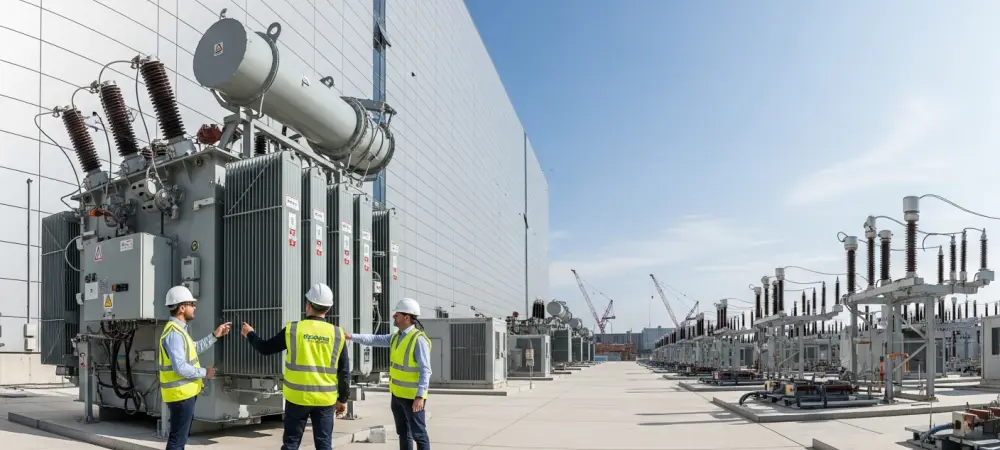
The rapid maturation of artificial intelligence and machine learning technologies has created an insatiable appetite for massive computational facilities that require sophisticated electrical and mechanical frameworks far beyond traditional commercial builds. As the digital economy accelerates, SCEE Group has successfully pivoted from its historical reliance on the resources and mining sectors to become a cornerstone of the burgeoning data center infrastructure market. This transition was not merely a matter of opportunity but a calculated repositioning of specialized technical assets to meet the rigorous standards of hyperscale operators. The organization has secured several high-profile contracts that underscore its ability to manage the intricate power distribution requirements of modern server farms. However, maintaining this trajectory involves navigating a landscape where the sheer scale of projects often outpaces the existing supply of specialized components and qualified personnel. The shift reflects a broader industry trend where electrical engineering firms are now integral partners in the initial design and long-term sustainability of the global cloud network.
Technical Adaptation and Operational Scalability
The transition toward high-density computing environments necessitates a level of electrical precision that was previously reserved for critical medical or aerospace applications. SCEE has demonstrated its ability to implement complex uninterruptible power supply systems and high-voltage switchgear that are essential for maintaining the continuous uptime required by global technology giants. These systems must be integrated with sophisticated cooling mechanisms that prevent hardware degradation during peak processing loads, especially as chips become more energy-intensive. By focusing on these high-barrier-to-entry technical requirements, the firm has effectively differentiated itself from smaller contractors who lack the bonding capacity or technical depth to bid on multi-billion dollar campus developments. The complexity of these installations means that every project serves as a proving ground for new methodologies in energy distribution. This expertise is particularly valuable as operators seek to reduce their carbon footprints through more efficient power conversion and the integration of on-site renewable energy sources into the local grid.
Beyond the installation of core components, the ability to provide end-to-end solutions has become a significant competitive advantage in a market where speed-to-market is the primary metric of success. The firm has increasingly adopted modular construction techniques, allowing for the pre-assembly of electrical skids and switchrooms in controlled environments before they are shipped to the project site. This approach significantly reduces the time spent on-site and minimizes the risks associated with weather delays or local labor inconsistencies. Such innovations are critical because the current demand for data center capacity often results in aggressive construction schedules that leave little room for error. Furthermore, the integration of smart monitoring systems allows for real-time data collection on electrical performance, providing the client with immediate insights into operational efficiency. This proactive stance on technology adoption has enabled the company to build a robust pipeline of work, ensuring that its teams remain at the forefront of the infrastructure sector while others struggle to keep pace with changing industry needs.
Workforce Management and Strategic Future Alignment
The ongoing expansion of the digital infrastructure sector is directly tethered to the availability of a highly skilled workforce capable of executing complex electrical designs. SCEE has faced the dual challenge of recruiting top-tier engineering talent while simultaneously training its existing workforce to handle the nuances of data center hardware. This investment in human capital is vital because the specialized nature of these projects means that a single error in the electrical sequence can result in catastrophic downtime for a client. To mitigate these risks, the organization has emphasized internal mentorship programs and partnerships with technical institutions to ensure a steady stream of qualified electricians and project managers. The competition for this talent is fierce, as rival firms and the technology companies themselves are all drawing from the same limited pool of professionals. Successful firms are those that can offer not only competitive compensation but also the opportunity to work on the most advanced technological projects currently being deployed globally.
A forward-looking strategy was implemented to address the volatility of the global supply chain by fostering deeper relationships with key equipment manufacturers and logistics providers. The company moved toward a more integrated procurement model that anticipated long lead times for critical components like transformers and medium-voltage switchgear. By securing these items well in advance, the firm avoided the delays that plagued many other major infrastructure projects across the region. Strategic investments were also made in localized assembly facilities, which provided a buffer against international shipping disruptions and allowed for greater quality control over sensitive electrical assemblies. This proactive management of the supply chain ensured that project deadlines were met consistently, thereby reinforcing the firm’s reputation as a reliable partner for hyperscale developers. These actions ultimately positioned the organization to capitalize on the next wave of technological investment, focusing on energy-efficient designs and the integration of large-scale battery storage solutions. The focus shifted toward long-term operational resilience, ensuring that the infrastructure built today remained viable for the evolving needs of the digital era.