

Breakthrough medical treatments capable of reversing once-incurable diseases are no longer science fiction, yet for most patients, they might as well be. Cell and gene therapies represent a monumental leap in medicine, offering personalized cures by re-engineering a patient’s own cells. However, their revolutionary potential is severely constrained by a manufacturing process that is both astronomically expensive and intensely complex. This production bottleneck prevents these life-saving treatments from reaching the vast majority of people who need them, creating a critical need for a new industrial model.
The Promise and Price of Advanced Medical Cures
Cell therapies have ushered in a new era of personalized medicine, demonstrating remarkable success in treating aggressive cancers and rare genetic disorders that were previously considered untreatable. By harnessing the body’s own cellular machinery, these therapies can target diseases with unprecedented precision. This approach holds the promise of not just managing symptoms but delivering definitive, long-lasting cures, fundamentally changing patient outcomes and the practice of medicine itself.
Despite this potential, the path from the laboratory to the patient is fraught with obstacles. The current manufacturing paradigm relies on highly skilled technicians performing complex, manual procedures in sterile environments. This artisanal approach is not only labor-intensive, driving costs to hundreds of thousands of dollars per dose, but is also susceptible to human error and process variability. Consequently, production cannot scale to meet patient demand, creating an access crisis that undermines the very purpose of these groundbreaking innovations.
Forging a Blueprint for Automated Production
To dismantle this barrier, a strategic alliance between Cellular Origins and Fresenius Kabi is pioneering a solution rooted in robotic automation. The collaboration directly targets the core challenges of cost and inconsistency by reimagining how cell therapies are made. Their goal is to transition from a manual, lab-scale process to a fully automated, industrial-grade workflow capable of producing therapies reliably and at a scale that can meet global demand.
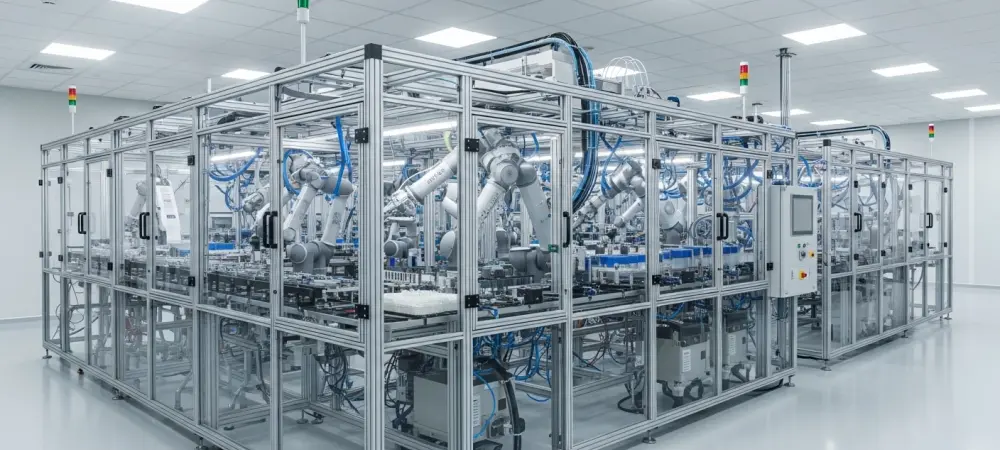
At the heart of this initiative is the physical and digital integration of two sophisticated technologies: Fresenius Kabi’s Cue® Cell Processing System and Cellular Origins’ Constellation® robotic platform. The Cue system provides a closed, automated environment for cell manipulation, while the Constellation platform orchestrates the entire workflow, robotically handling materials and consumables. Together, they form a cohesive, end-to-end manufacturing system designed to operate with minimal human intervention, effectively creating a “factory-in-a-box” for cell therapy production.
From Integrated Systems to Validated Results
The partnership recently announced the successful completion of its first phase, a critical milestone that moves the concept from theory to practice. This achievement involved not just connecting the hardware but also creating a seamless digital interface, allowing the Constellation platform to command and monitor every step of the Cue system’s processes. This integration ensures that the entire manufacturing sequence is synchronized and digitally documented.
The viability of this combined platform was confirmed through rigorous studies using human T-cells, the very type of cells used in many cancer immunotherapies. These tests successfully demonstrated that the automated system could execute the complex, multi-step process with high precision and reproducibility. The positive results serve as crucial validation that robotic automation can reliably manage sensitive biological procedures, paving the way for its application in clinical settings.
The Expert Verdict on a Hands Off Approach
There is a growing consensus across the biopharmaceutical industry that a “hands-off” approach is the only viable path forward for cell therapy manufacturing. Leaders from both Cellular Origins and Fresenius Kabi emphasize that reducing manual touchpoints is not merely an incremental improvement but an absolute necessity. Manual interventions are the primary source of contamination risk, process deviations, and high labor costs, all of which must be overcome to make these therapies a mainstream medical reality.
Full automation delivers a trifecta of essential benefits that manual processes cannot match. Firstly, it eliminates the risk of human error, ensuring unparalleled process consistency and product quality from batch to batch. Secondly, by significantly reducing the need for highly specialized labor, it directly slashes manufacturing costs, making the final therapy more affordable. Finally, it creates an unalterable digital chain of custody, capturing data from every step to enable advanced process optimization and ensure regulatory compliance.
Charting the Course for Scalable Manufacturing
With the initial proof-of-concept successfully established, the collaboration is now advancing toward its next critical phase: preparing the integrated system for clinical and commercial-scale production. This involves further refining the workflow, optimizing protocols, and ensuring the platform can meet the stringent regulatory requirements for producing human therapeutics. The objective is to develop a robust, turn-key solution that therapy developers can readily adopt.
The vision for the platform extends beyond the current integration. The development roadmap includes incorporating additional technologies from Fresenius Kabi’s portfolio, such as the Lovo® cell processing system, to further enhance the platform’s capabilities and flexibility. By creating an adaptable and expandable ecosystem, the partners aimed to build a manufacturing standard that could support a wide range of next-generation cell and gene therapies. This forward-looking strategy positioned robotic automation not just as a solution for today’s challenges but as a foundational pillar for the future of personalized medicine.