
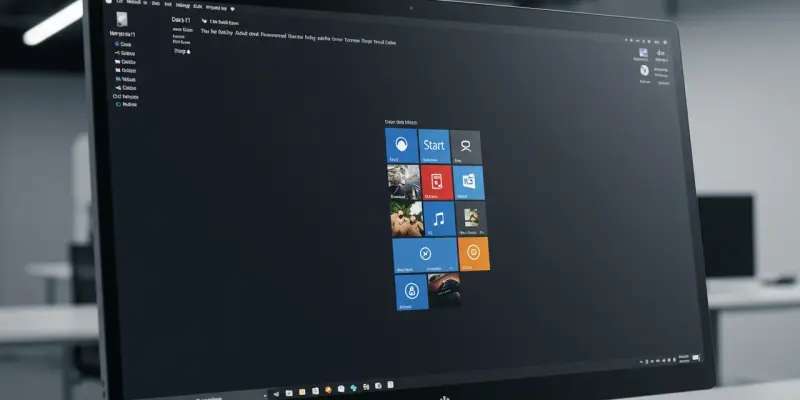
Can Quick Machine Recovery Solve Windows 11 Boot Issues?

Article Highlights
Off On

In an era where technology drives both personal and business realms, ensuring that every device operates seamlessly is paramount. Microsoft has taken a notable step in addressing a common technological woe: Windows boot issues. To tackle this, a new feature in Windows 11, aptly named Quick Machine Recovery, is being introduced. This feature is part of the Windows Resiliency Initiative, launched with the aim to mitigate boot problems by simplifying and speeding up the recovery process. It automatically attempts various recovery methods when a system fails to boot, eliminating reliance on the often-daunting Windows Recovery Environment. This streamlining of recovery processes marks a significant shift toward making technical troubleshooting more accessible to the everyday user. With plans for a dedicated settings page enabling personalized configurations, Microsoft hopes that by reducing the complexities surrounding system recovery, users can experience a smoother operation with fewer obstacles.

Integrating Ease and Efficiency into Recovery

Microsoft’s Quick Machine Recovery is a cutting-edge tool introduced to optimize device management and reduce downtime due to boot errors. Initially rolled out to Windows Insiders on the Beta channel, it allows users to predefine system check frequencies and conditions for device restarts to implement necessary resolutions. Such functionalities enable a level of precision and control previously absent in mainstream operating systems. Moreover, IT departments handling large numbers of devices can tailor recovery settings using the Intune Settings Catalog UI. This feature signifies Microsoft’s broader initiative to enrich user experiences and diminish tech-related frustrations, setting the stage for an OS that inherently supports resilience. The incorporation of these direct resolution options underscores Microsoft’s commitment to advancing user-oriented solutions by embedding automated tools in system settings, serving as a benchmark for future OS innovations. By spotlighting ease and efficiency, Quick Machine Recovery promises a smoother user experience, preparing for future tech evolutions.

Explore more

How Is OpenAI Building the AI-Native Finance Team?

The traditional image of a bustling corporate finance department overflowing with analysts frantically crunching numbers into spreadsheets has been replaced by a quiet, high-velocity digital nervous system that operates with unprecedented surgical precision. This transformation is currently being led by OpenAI, an organization that is treating artificial intelligence as the foundational architecture of its financial operations rather than a secondary

Can AI Bridge the Gender Gap in Financial Services?

Standing at the precipice of a digital revolution, the financial industry faces a jarring paradox where women populate half the desks but almost none of the corner offices. While women make up nearly half of the financial services workforce, they occupy a staggering 8% of CEO positions in major firms. This disparity is no longer just a social issue; it

Mobile Operators Aim to Avoid 5G Mistakes in 6G Rollout

The global telecommunications landscape is currently vibrating with a cautious intensity as industry leaders reflect on the lessons learned from the previous decade of connectivity hurdles and high-speed promises. While the transition to the fifth generation of mobile networks was meant to usher in an era of instantaneous downloads and automated industrial harmony, many users found the experience to be

Hyperautomation Becomes the New Corporate Nervous System

The modern corporate engine is no longer a collection of gears grinding in isolation but has evolved into a self-correcting organism where every digital impulse triggers a calculated, instantaneous response across the entire organizational architecture. This profound shift marks the era of hyperautomation, a paradigm that transcends the simple mechanical repetition of the past to embrace a holistic, orchestrated ecosystem.

Will LLMs Make Robotic Process Automation Obsolete?

The persistent illusion of total office automation frequently shatters when a single non-standardized PDF document brings a million-dollar robotic process to a grinding halt. Thousands of manual man-hours are still poured into fixing bot errors across global supply chains that were originally marketed as being fully automated. This paradox exists because traditional automation hits a wall when faced with the