

Dominic Jainy stands at the forefront of the intersection between artificial intelligence and the physical infrastructure that powers it. With a deep background in machine learning and blockchain, he has spent years analyzing how digital evolution demands a physical revolution. In this conversation, we explore the burgeoning AI data center platform emerging in Norway, focusing on the massive engineering shifts required to support 36MW of high-density capacity and the ingenious ways industry leaders are turning waste heat into a community asset.
The discussion covers the transition to liquid-cooled environments designed for specialized AI workloads and the strategic development of regional hubs. We look at the technical specifications of the Norway 1 project, the massive financial investment backing these green initiatives, and the broader expansion of Nordic infrastructure across Sweden and Finland.
How is the rise of AI-driven high-density computing redefining how we approach data center design compared to traditional facilities?
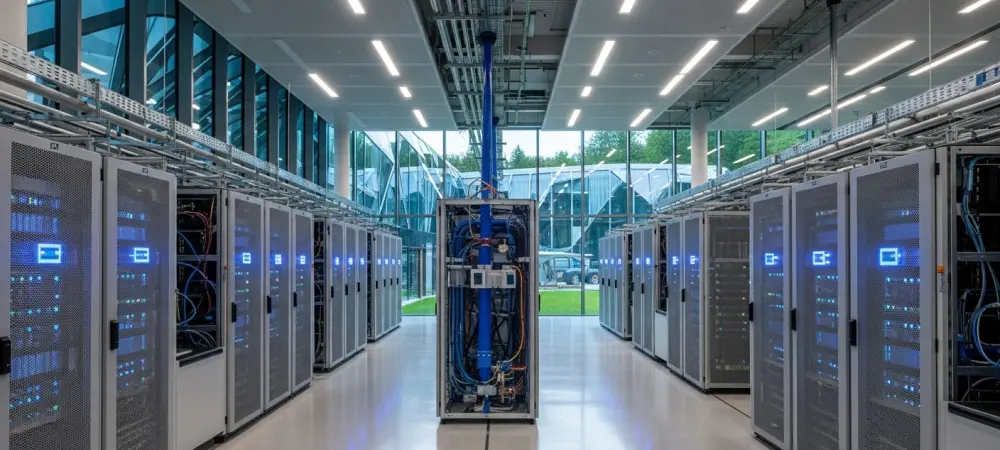
The shift we are seeing today is fundamentally about moving away from the sprawling, air-cooled warehouses of the past and toward compact, high-energy environments like the Norway 1 project. When you are looking at 36MW of power capacity packed into an 18,900 square meter footprint, the thermal physics change entirely, necessitating liquid-cooling readiness right from the start. Traditional air cooling simply cannot whisk away the intense heat generated by modern AI processors, so we have to engineer these facilities with a focus on fluid dynamics and extreme resilience. It is a sensory transition as well; instead of the deafening roar of massive fans, these Tier III-quality halls will rely on more efficient, quieter liquid systems to maintain stability. The goal is to provide a dependable route to scale for customers who are no longer just storing data, but actively training massive models that require constant, high-performance compute cycles.
What makes the integration of a 36MW facility with agricultural projects like the greenhouses in Stavanger a significant shift for the industry?
This is a brilliant example of circular engineering where a data center is no longer just a consumer of energy but a vital heat provider for the local ecosystem. Green Horizon is taking the concept to the next level by designing a new greenhouse that actually sits directly on top of the data center, effectively forming its roof. By channeling excess heat to this rooftop garden and the adjacent Miljøgartneriet, which is Norway’s largest greenhouse, they are turning a waste byproduct into a valuable resource. You can almost imagine the contrast between the sterile, high-tech environment of the data halls and the lush, warm greenery growing just a few feet above them. This design, which has already been technically validated and approved by the local municipality, proves that large-scale industrial projects can coexist with and even enhance local food production.
Given the scale of the €300 million investment, what are the logistical and technical hurdles to making a facility of this size operational by 2027?
Developing a €300 million platform requires a massive orchestration of partners, including Siemens and CTS Nordics, to ensure every component from the power grid to the liquid-cooling loops is perfectly synchronized. With a target ready-for-service date in the second half of 2027, the team has a tight window to build out three data halls and two meet-me rooms while ensuring the hydropower sources are fully integrated. The logistics involve securing massive amounts of renewable energy—Green Horizon has already secured 96MW for its three planned sites—and managing the construction of the complex Norway 1 site in Varhaug. It is a high-stakes environment where any delay in the supply chain for specialized AI hardware or cooling infrastructure could ripple through the entire timeline. Success here depends on the expertise of veterans who have operated global facilities and understand the precision required for such a high-density deployment.
How do the ambitious expansion plans of companies like Fossefall, aiming for 1GW of capacity, impact the competitive landscape of the Nordic tech sector?
Fossefall’s goal to reach 1GW of capacity across Norway, Sweden, and Finland by 2030 is a clear signal that the Nordic region is positioning itself as the primary backbone of European AI. By acquiring sites like the one in Fyresdal and looking toward Swedish Lapland for a 45MW phase that could expand to 200MW across 350,000 square meters, they are creating a massive footprint that most traditional providers cannot match. Their move into GPU-as-a-service is particularly interesting because it shifts the business model from just renting space to providing the actual computational power needed for AI. With over 50 locations currently under negotiation, they are effectively betting on a future where specialized, green-powered capacity is the most valuable commodity in the tech world. This competitive pressure forces everyone to innovate faster, especially when it comes to sustainability and high-performance services.
What is your forecast for the role of Nordic countries in the global AI infrastructure race?
I believe that within the next decade, the southwest coast of Norway and the surrounding Nordic regions will become the primary destination for the world’s most intensive AI workloads. The combination of abundant renewable hydropower and a climate that naturally assists with cooling makes the economics of these projects nearly unbeatable. We will see more facilities like Norway 2 and Norway 3, which are slated for 12MW and 48MW respectively, creating a specialized cluster of high-density infrastructure. As global regulations on carbon footprints tighten, the ability to offer a lower operational footprint while maintaining Tier III reliability will turn these Norwegian sites into the gold standard for responsible AI development. The integration of technology with local industries, like the greenhouses we discussed, will serve as a blueprint for how the rest of the world should approach industrial growth in the 21st century.