

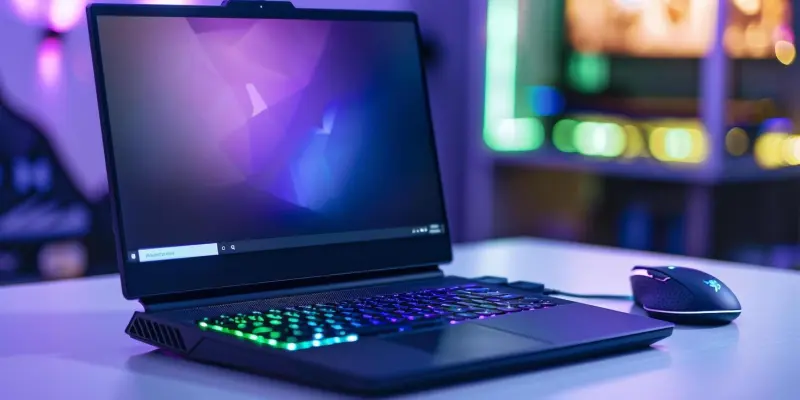
Lenovo has always been at the forefront of creating innovative devices that cater to a wide range of technology enthusiasts, and the Legion 9i Gen 10 is no exception. This latest offering from Lenovo sets out to revolutionize the gaming laptop market with its impressive array of features aimed at gamers and creative professionals. Equipped with the Nvidia RTX 5090 GPU and Intel Core Ultra 9 275HX processor, the Legion 9i is poised to handle high-performance gaming and modern creative tasks with ease. Its expansive 18-inch display, customizable to the user’s preferences, promises unmatched visual clarity and smooth gameplay, making it not only a powerhouse but also a trendsetter in gaming laptops.
Performance Meets Innovation
Cutting-edge Graphics and Processing Power
The Legion 9i is equipped with top-of-the-line components that cater to high-end gaming and demanding creative applications. Its Nvidia RTX 5090 GPU is a remarkable choice for pushing graphical boundaries, ensuring gamers enjoy intricate details and smooth frame rates necessary for an immersive experience. This graphics card is well-suited for handling current and upcoming gaming titles, which often require substantial computational power to deliver rich, immersive experiences. Paired with the Intel Core Ultra 9 275HX processor, this device delivers seamless multitasking capabilities and responsive performance. The combination promises robust system operation suitable for running demanding programs in fields such as graphic design, video editing, and game development.
Display and Customization Capabilities
The Legion 9i’s display is a standout feature, specifically designed to enhance the user’s visualization experience. With an impressive 18-inch screen offering 4K resolution and capable of refreshing up to 440Hz, Lenovo ensures the visuals are both sharp and fluid. Such a setup is perfect for gamers who need quick reactions and clarity for competitive play and creatives who demand precise color representation. The display’s support for 2K 3D technology without glasses brings a fresh look into the realm of gaming and design, although the exact list of compatible games remains undisclosed. Customization is further highlighted, allowing users to adjust their gaming experience and presentation requirements to suit specific desires. The opportunity for personalization reflects a shift towards flexibility and adaptability in technology, as people increasingly value tailor-made experiences.
Design and User Experience
Sophisticated Yet Gamer-Centric Aesthetics
In redesigning the Legion 9i, Lenovo meticulously balances elegance with functionality. Although commonly associated with flashy designs, this gaming laptop departs from tradition with refined touches like an eight-layer carbon fiber lid. Such design choices appeal to gamers seeking an aesthetically pleasing device that doesn’t compromise performance. The blend of sophistication and gaming interests addresses a broader demographic’s need, particularly among professionals who want gaming-capable devices that fit seamlessly into diverse environments. Lenovo’s focus on design illustrates the growing preference for laptops that incorporate gaming capabilities without sacrificing aesthetics, meeting the expectations of professionals requiring powerful devices.
Memory and Versatility
The Legion 9i doesn’t skimp on versatility, providing substantial memory options that can effortlessly handle today’s demanding applications. It includes up to 8TB of storage spread across varied PCIe slots, maximizing potential storage solutions for gamers and content creators with large libraries. Memory configurations using DDR5 technology facilitate rapid data processing and smooth multitasking, ensuring forward compatibility with future software evolutions. The laptop’s support for swappable WASD keys demonstrates Lenovo’s awareness of specialized needs, accommodating gamer preferences and enhancing gameplay efficiency. This attention to detail underscores Lenovo’s pursuit of creating devices capable of evenly supporting rigorous professional duties and high-intensity gaming, evidencing a comprehensive approach to consumer demands.
Market Considerations
Pricing Insights and Challenges
The Legion 9i’s pricing strategy reflects its premium standing amid currency fluctuations and trade tariffs impacting industry figures. In navigating these challenges, Lenovo tentatively sets the starting price at approximately $5,067 in the US market according to its European value, considering economic variability and global trade dynamics. The pricing is a testament to its high-caliber specifications that cater to enthusiasts demanding uncompromising quality in hardware and experience. While the cost may initially narrow potential customer segments, Lenovo’s positioning aligns with a wider narrative of catering to individuals who prioritize performance, exclusivity, and specialized features in their technological investments, particularly those willing to invest in comprehensive solutions.
Future of Gaming Laptops
Lenovo has consistently led the charge in crafting groundbreaking gadgets that appeal to technology aficionados, and the Legion 9i Gen 10 exemplifies this tradition. This new laptop from Lenovo aims to transform the gaming landscape with its impressive suite of features tailored for gamers and creative professionals alike. Boasting the Nvidia RTX 5090 GPU alongside an Intel Core Ultra 9 275HX processor, the Legion 9i is designed to seamlessly manage high-intensity gaming and contemporary creative pursuits. Its expansive 18-inch display can be customized to individual preferences, offering exceptional visual clarity and fluid gameplay. These characteristics position it not just as a performance powerhouse but also as a trendsetter within the gaming laptop realm. Moreover, Lenovo’s dedication to innovation ensures that the Legion 9i remains relevant amid rapidly evolving tech advancements, providing users with cutting-edge features that enhance both experience and productivity in demanding digital environments.