

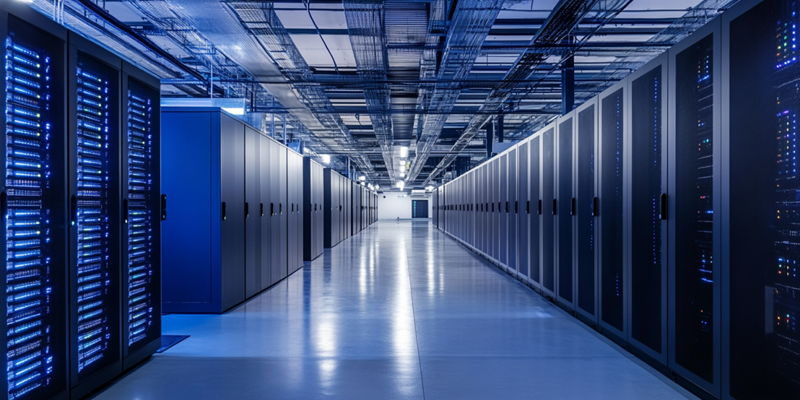
Ireland, known for its thriving tech sector and as a central hub for multinational corporations, faces a significant challenge in reconciling its burgeoning data center industry with stringent climate goals. The country has become an attractive destination for data centers due to its favorable business environment, stable climate, and advanced infrastructure. However, these massive facilities are notorious for their high energy consumption, which clashes with Ireland’s ambitions to reduce greenhouse gas emissions and transition to a low-carbon economy. As a result, policymakers and industry stakeholders are increasingly focused on finding sustainable solutions that can harmonize economic growth with environmental stewardship.
The urgency of this issue is underscored by the rapid expansion of data centers in Ireland. These facilities are integral to the modern digital economy, supporting everything from cloud computing to artificial intelligence. However, their energy demands put immense pressure on Ireland’s electrical grid and complicate efforts to meet climate targets. Data centers could account for as much as 29% of Ireland’s electricity consumption by 2028. This scenario poses a critical question: Can Ireland sustain this growth while also adhering to its climate commitments?
A key aspect of the debate is the environmental impact of data centers, which extends beyond energy consumption to include water usage and heat generation. Water is used extensively for cooling purposes, and the heat generated by servers can affect local microclimates. This multifaceted environmental footprint necessitates a holistic approach to sustainability. Innovative strategies are already being explored, such as increasing the use of renewable energy sources like wind and solar power, and improving the energy efficiency of data center operations. Companies are also investing in advanced cooling technologies and implementing circular economy principles to minimize waste and enhance resource efficiency.
Stricter Regulations and Innovative Solutions
Ireland, celebrated for its booming tech sector and as a key hub for multinational corporations, is grappling with a significant challenge: balancing its expanding data center industry with ambitious climate goals. The country attracts data centers due to its favorable business climate, stable weather, and advanced infrastructure. However, these massive facilities are known for high energy consumption, which conflicts with Ireland’s goal to reduce greenhouse gas emissions and shift to a low-carbon economy. Consequently, policymakers and industry leaders are intensifying efforts to find sustainable solutions that align economic growth with environmental responsibility.
Highlighting the urgency of this issue is the rapid growth of data centers in Ireland. Essential to the digital economy, these centers support cloud computing and artificial intelligence but strain the electrical grid and complicate meeting climate targets.
The debate also touches on water usage and heat generation by data centers, which impact local microclimates. A holistic sustainability approach is necessary. Innovations include increased reliance on renewable energy sources like wind and solar, boosting data center energy efficiency, and advanced cooling technologies. Companies are also adopting circular economy principles to minimize waste and improve resource efficiency.