

Introduction
The transformation of a derelict industrial site into a high-tech powerhouse represents a significant pivot for Michigan City as it navigates the complexities of the modern digital economy. This nearly billion-dollar investment by Google signals a departure from the city’s manufacturing past toward a future defined by cloud computing. By repurposing the long-vacant Federal Mogul site, the project addresses both urban blight and the need for high-value economic activity. This article explores the implications of the acquisition, the economic benefits for residents, and the broader trend of technology giants establishing a permanent presence in the Hoosier State. Readers will gain an understanding of how Michigan City transitioned from industrial decay to becoming a key player in the national data landscape.
Key Questions and Developments
Why Is the Rebirth of the 402 Royal Road Site Significant?
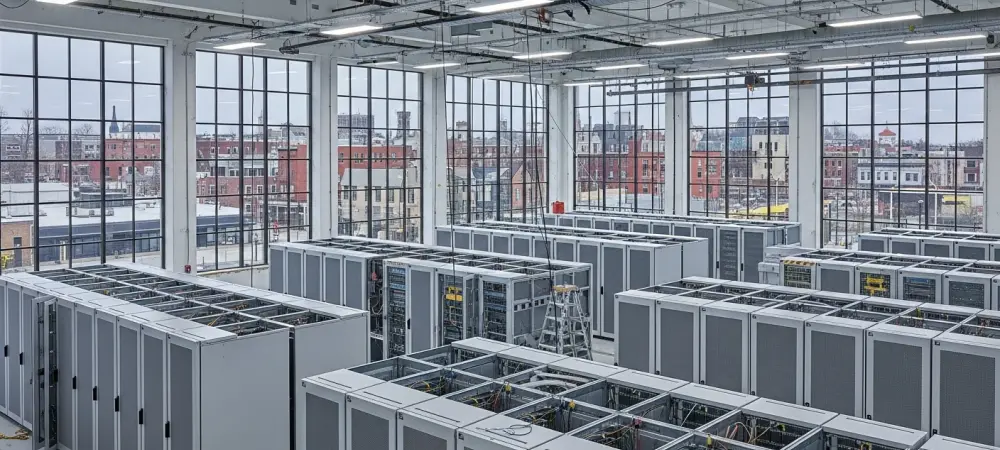
For over fifteen years, the industrial remains at 402 Royal Road served as a stark reminder of economic decline, standing vacant while the community sought new opportunities. The acquisition by Google, formerly known as Project Maize, breathes life into these ruins by integrating them into the global digital network. This shift is not just about physical renovation but also about reclaiming a space that had become a liability.
Initially, the project faced hurdles due to political tension regarding community benefits. However, the finalization of Google’s involvement smoothed these relations, providing a clear path forward for the site. By converting an eyesore into an $832 million asset, the city demonstrates its ability to attract world-class technology firms even after decades of stagnation.
What Economic Shifts Can Indiana Expect From This Expansion?
Indiana has rapidly emerged as a preferred destination for the tech industry, with companies like Amazon Web Services and Meta pouring billions into the state. Google is already a familiar name, having established operations in Fort Wayne and Morgan County. This latest development reinforces the state’s reputation as a growing hub for the Midwest’s digital infrastructure.
The ripple effects go beyond the construction phase, as the facility requires specialized talent and ongoing support. While direct jobs are estimated at thirty high-skill positions, the benefits include funding for technological education and economic development. This creates a sustainable pipeline for residents to enter the tech sector locally.
How Does the City Address Concerns Over Power and Infrastructure?
One primary challenge with data centers is their immense demand for electricity and the resulting strain on utilities. To mitigate these concerns, Google committed to a transparent partnership that places the financial responsibility for its operations on the company. This includes covering the total cost of power consumption and any necessary infrastructure upgrades triggered by the facility.
Furthermore, the agreement emphasizes a collaborative approach to resource management. By proactively addressing these logistical hurdles, the project sets a precedent for how tech giants integrate into smaller municipalities. This level of corporate responsibility is essential for maintaining long-term public support as Michigan City evolves.
Summary: A Strategic Path Toward Digital Growth
The arrival of Google in Michigan City serves as a catalyst for a more stable and technologically advanced economic era. This $832 million commitment turns a historical burden into a cornerstone of the regional digital economy. The project provides high-skill job opportunities and strengthens the local tax base while fostering educational programs. Michigan City is now positioned as a critical node in a larger network of Indiana-based data centers, benefiting from a favorable business climate.
Conclusion: Final Reflections on the Tech Transition
The successful acquisition of the site marked a turning point for a region that once struggled with the loss of manufacturing. Leaders realized that long-term prosperity depended on embracing digital assets and sustainable partnerships. As the facility integrated into the landscape, the focus on infrastructure transparency provided a blueprint for other cities. This transition encouraged stakeholders to invest in STEM education to attract similar ventures. The project ultimately demonstrated that repurposed industrial spaces could serve as the foundation for a resilient economy.