

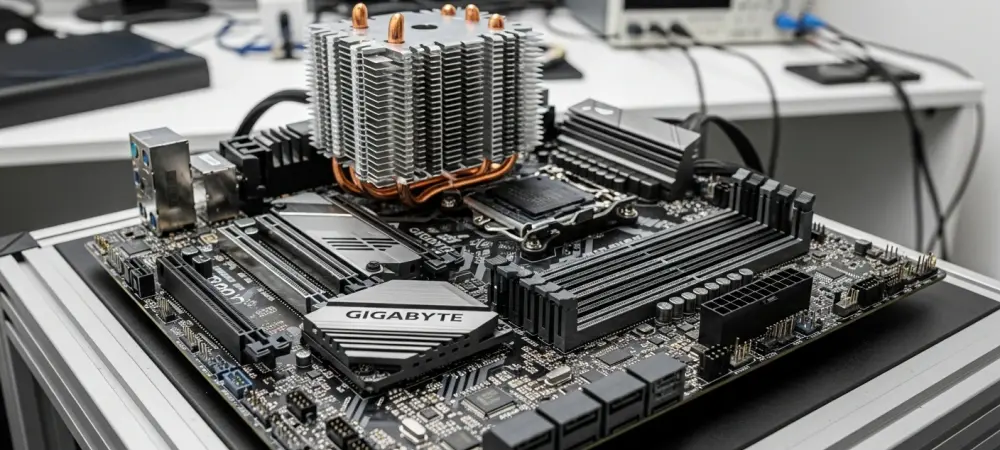
The arrival of high-performance computing hardware often promises marginal gains, yet the release of the GIGABYTE Z890 Plus series motherboards suggests a more aggressive leap for enthusiasts utilizing the Intel Arrow Lake Refresh platform. This new lineup is strategically categorized into the Elite, EAGLE, FORCE, and the pioneering Duo X series, each tailored to specific segments of the enthusiast market. By focusing on the synergy between refined power delivery and advanced chipset capabilities, these boards aim to redefine the standard for consumer-grade workstations and gaming rigs alike. Central to this launch is the objective of maximizing the potential of the latest silicon through sophisticated engineering. This approach moves beyond simple component updates, instead offering a cohesive ecosystem where every trace on the circuit board is optimized for high-speed data transmission and thermal stability. The integration of modern standards ensures that these motherboards are not just current but are built to handle the increasing demands of high-bandwidth applications and complex multitasking environments that define the modern computing landscape. It is a calculated move to capture the attention of users who demand both reliability and cutting-edge speed.
Innovative Memory Architecture: The Duo X Advantage
At the heart of the technical advancements found in the Duo X lineup lies the D5 Duo X technology, a specialized 2-DIMM configuration that challenges traditional motherboard layouts. While most standard boards utilize four slots, this streamlined approach minimizes signal interference, allowing for high-capacity memory kits to operate at unprecedented frequencies without compromising the overall stability of the system. Through strategic partnerships with prominent memory manufacturers such as ADATA and TeamGroup, compatibility with the latest CQDIMM memory kits has been meticulously validated. Recent demonstrations have showcased the ability of these boards to manage massive 256 GB DDR5 arrays while maintaining high transfer speeds of 6400 MT/s, with the possibility of even higher rates in specialized, enthusiast-tuned environments. This evolution in memory handling is critical for professionals working with large datasets or creators managing high-resolution video assets, as it provides the necessary headroom for seamless performance. By focusing on the efficiency of the memory traces and the quality of the signaling, the Z890 Plus series bridges the gap between server-grade capacity and enthusiast-grade speed, ensuring that the bottleneck of system memory is effectively minimized for the foreseeable future.
Performance Optimization: Strategic Hardware Integration
Beyond memory capacity, the implementation of the exclusive Ultra Turbo Mode provided a tiered approach to performance tuning through the BIOS, offering users three distinct profiles ranging from standard boosts to an extreme performance level. During internal evaluations involving the Core Ultra 7 270K Plus, this feature demonstrated an ability to unlock up to a forty percent improvement in specific gaming scenarios when paired with ultra-high-speed memory and specialized optimization tools. To sustain such intensive workloads, the hardware utilized a robust Digital Twin 16+1+2 phase VRM design, which effectively managed power delivery and thermal output under full load. The inclusion of modern connectivity like WiFi 7 and 5G LAN further cemented the role of these boards in a high-speed networking environment. Moving forward, users seeking to maximize these gains should prioritize cooling solutions that can handle the increased thermal density of the extreme profiles. The transition to such high-performance architectures necessitated a more holistic view of system building, where power stability and advanced software tuning worked in concert to achieve peak efficiency. The successful deployment of these technologies indicated a shift toward more automated, yet powerful, overclocking paradigms that allowed even novice builders to access professional-level results.