

Introduction to Gibraltar’s Digital Ambitions
In a world where artificial intelligence (AI) is reshaping economies at an unprecedented pace, imagine a small territory of just 6.8 square kilometers stepping onto the global stage as a tech powerhouse. Gibraltar, a British Overseas Territory at the southern tip of the Iberian Peninsula, is making headlines with an audacious plan to transform into a hub for digital and AI innovation. This bold vision, backed by a staggering £1.8 billion ($2.24 billion) investment, raises a compelling question: can this tiny enclave rival Europe’s established tech centers?
The current state of the tech industry in Europe shows a growing demand for data infrastructure to support AI and digital transformation. Gibraltar’s strategic location, coupled with its proactive government policies, positions it as an emerging player in this competitive landscape. This report explores the transformative potential of a landmark data center project and its implications for the territory’s future in the AI ecosystem.
Gibraltar’s Bold Leap into the Digital Age
Gibraltar is embarking on an ambitious journey to redefine itself as a digital leader through a groundbreaking initiative led by Pelagos Data Centres. The plan centers on constructing a 250MW off-grid data center campus, a project that marks a significant shift from the territory’s traditional economic pillars of finance and gaming. This development aims to harness the power of AI to drive innovation and economic growth. The £1.8 billion investment by Pelagos Data Centres represents the largest financial commitment in Gibraltar’s history. Entirely funded through private capital and supported by the Gibraltar Government, the project underscores a rare alignment of public and private interests focused on technological advancement. The scale of this endeavor signals a new era for the territory’s economic diversification.
Beyond its local impact, this initiative holds broader implications for Europe’s tech landscape. By positioning itself as a strategic node for AI and data infrastructure, Gibraltar could attract global tech firms and reshape regional dynamics. This move challenges the dominance of established hubs like Dublin and Amsterdam, potentially carving out a niche for smaller territories in the digital economy.
The Pelagos Data Center Project: A Game-Changer
Project Scope and Phased Development
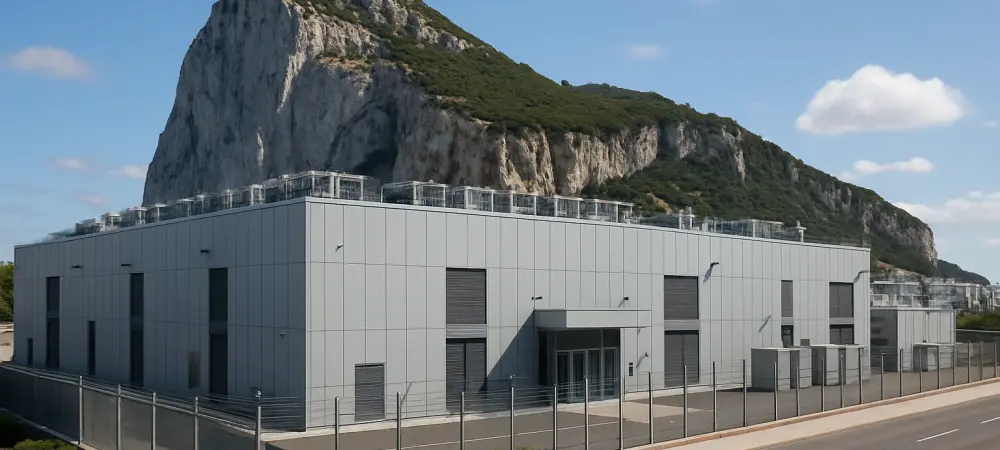
At the heart of Gibraltar’s digital transformation is the Pelagos Data Centre campus, spanning 20,000 square meters (215,280 square feet) near the Port of Gibraltar. This state-of-the-art facility is designed to meet the escalating demands of AI workloads with a robust 250MW capacity. Its strategic location ensures connectivity and accessibility, key factors for data-driven operations.
The construction is structured in five distinct phases, with the first set to commence operations by late 2027. Subsequent phases will roll out approximately every 18 months, ensuring a gradual but consistent expansion of capacity. This phased approach minimizes disruption while scaling infrastructure to meet future needs.
Key technical features include adherence to Tier III standards, guaranteeing high reliability and uptime for critical applications. The facility will also employ advanced cooling systems, combining liquid and air methods to optimize performance. Such specifications position the campus as a cutting-edge asset in the global data center market.
Sustainability and Community Focus
A standout aspect of the Pelagos project is its commitment to sustainability through an off-grid power strategy. By integrating a mix of renewable energy sources and liquefied natural gas (LNG), the campus aims to reduce reliance on traditional power grids. This innovative energy model aligns with global trends toward greener tech infrastructure. Energy efficiency is further prioritized with a targeted Power Usage Effectiveness (PUE) rating of around 1.2, a benchmark that reflects minimal energy waste. Additionally, plans to repurpose waste heat for community projects demonstrate a forward-thinking approach to resource utilization. Such initiatives could provide heating solutions for local facilities, blending tech progress with societal benefits.
The inclusion of a public leisure facility within the campus adds another layer of community engagement. This unique feature aims to integrate the data center into the fabric of Gibraltar’s social landscape, fostering goodwill among residents. It reflects a holistic vision that balances technological advancement with local well-being.
Challenges in Building Gibraltar’s AI Ecosystem
Turning Gibraltar into an AI innovation hub is not without significant hurdles, particularly given its small geographic footprint. Constructing a large-scale data center in a territory of limited space poses logistical complexities, from land allocation to the transport of materials. These constraints demand meticulous planning and execution to avoid delays or cost overruns.
Energy independence, while a key selling point, presents its own set of challenges. Integrating renewable sources effectively and ensuring a stable power supply with LNG requires sophisticated infrastructure and expertise. Any shortfall in this area could undermine the project’s sustainability goals and operational reliability.
Moreover, building a thriving AI ecosystem demands a skilled workforce and supporting infrastructure, both of which are currently underdeveloped in Gibraltar. Addressing this gap necessitates targeted training programs and investments in education. Government support, alongside private sector partnerships, will be crucial in cultivating the talent and resources needed to sustain long-term growth.
Regulatory and Economic Framework Supporting Innovation
The Gibraltar Government plays a pivotal role in facilitating this tech transformation through a supportive policy environment. By endorsing the Pelagos project and creating favorable conditions for investment, local authorities are laying the groundwork for innovation. This backing is essential for navigating the regulatory landscape and ensuring project success.
Regulatory considerations for data centers, such as data privacy and environmental standards, are critical to the project’s viability. Compliance with European and international norms will be necessary to attract global clients and maintain credibility. Gibraltar’s existing reputation as a financial hub with strict regulations provides a strong foundation for meeting these requirements.
Economically, the territory stands to gain from incentives designed to lure tech investments. Tax benefits and streamlined permitting processes could position Gibraltar as an attractive destination for startups and established firms alike. If successful, this framework could catalyze a ripple effect, drawing further innovation and capital to the region.
Future Prospects: Gibraltar as an AI Powerhouse
The Pelagos Data Centre has the potential to act as a catalyst for AI-driven innovation in Gibraltar, transforming the territory into a magnet for tech enterprises. By providing the infrastructure necessary for high-performance computing, the campus could support cutting-edge research and development. This, in turn, may spur the growth of a vibrant digital ecosystem.
Attracting tech companies and startups hinges on creating a conducive environment beyond just infrastructure. Access to talent, funding, and collaborative networks will be key to fostering entrepreneurship. If Gibraltar can establish itself as a nexus for AI talent and ideas, it could rival larger European hubs in niche areas of technology.
Global economic conditions and technological disruptions will undoubtedly shape the territory’s trajectory. Emerging AI trends, such as generative models and edge computing, could amplify demand for localized data centers. Staying ahead of these shifts will require agility and foresight, ensuring Gibraltar remains competitive in a rapidly evolving market.
Conclusion: Reflecting on Gibraltar’s Digital Journey
Looking back, the exploration of Gibraltar’s ambitious venture into AI and digital innovation revealed a territory poised for transformation. The Pelagos Data Centre project stood out as a monumental step, blending cutting-edge technology with sustainability and community focus. Each facet of the initiative underscored a commitment to redefining what a small territory could achieve on the global stage.
For the future, actionable steps emerged as critical to sustaining momentum. Strengthening workforce development through targeted education programs became a priority to support the AI ecosystem. Additionally, fostering deeper collaborations between government and private entities offered a pathway to navigate regulatory and logistical challenges effectively.
Beyond immediate actions, a broader consideration surfaced around maintaining adaptability in the face of technological shifts. Gibraltar needed to invest in continuous innovation and strategic partnerships to cement its position as an AI hub. This journey, while challenging, highlighted a unique opportunity to set a benchmark for balancing progress with responsibility in the digital age.