

Dominic Jainy is a seasoned IT professional specializing in machine learning and global tech security. With G42 joining NVIDIA’s Open Secure AI Alliance, he offers a deep look at how 37 industry leaders are reshaping digital safety through shared tools and transparency. Our conversation focuses on the industry’s pivot toward open-source models, the philosophy of designing security into AI from its inception, and how geopolitical shifts and hardware access are redefining international cooperation in the tech sector.
With G42 joining NVIDIA and dozens of other global leaders to champion open-source AI, how do you see this collaborative approach changing the way we perceive software security?
The alliance of 37 global leaders, including Microsoft and IBM, signifies that transparency is now the industry’s best defense strategy. By offering tools to inspect and control systems, these companies are effectively removing the risks associated with “black box” proprietary models. Security teams can now spot gaps and vulnerabilities faster because they have the keys to the actual engine room of these AI architectures. This collective intelligence creates a massive defensive shield that single companies simply could not build or maintain on their own.
The alliance emphasizes building security “from the start” rather than as an afterthought; what does this look like in practice for modern enterprises?
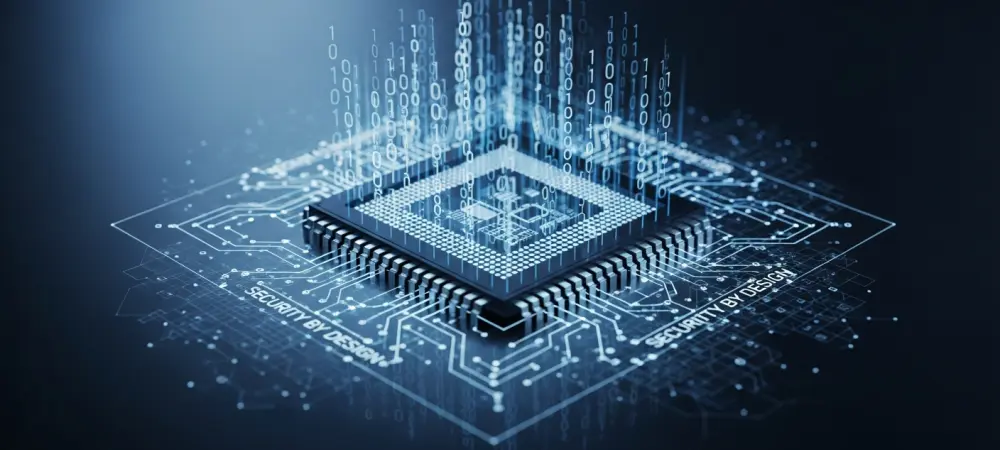
Designing security into the DNA of a system means that every layer of the AI is tested for weaknesses before it ever reaches the end-user. As Peng Xiao pointed out, “bolting on” security later is often a recipe for failure because it leaves hidden gaps for attackers to exploit. When security is integrated from day one, enterprises gain the sovereign control needed to trust that their data and networks are resilient by design. This approach builds the gut-level confidence necessary for nations to deploy frontier models at scale across their critical infrastructure.
How do recent US export policies and the requirement for advanced hardware access shape the strategic direction of global AI firms like G42?
Accessing advanced AI chips now requires meeting incredibly strict security standards, which forced firms like G42 to pivot their international ties to ensure long-term cooperation with the United States. This strategic realignment proves that high-end hardware is now inseparable from rigorous security compliance in the global marketplace. By meeting these requirements, approved firms can secure the physical components needed to lead their national AI strategies while maintaining a trusted relationship with global giants. It is a clear sign that the future of tech leadership depends on a company’s ability to prove its security at every level of its operation.
With a diverse group of partners ranging from Salesforce to Siemens, what kind of cross-industry cybersecurity tools do you expect to emerge?
We are going to see highly versatile tools that protect everything from massive industrial networks to cloud-based enterprise data. This group is building a unified front against threats identified since the alliance launched in late July, allowing for a faster, collective response to cyber attacks. A single breakthrough in threat detection at one company can now be shared across the entire network to protect all 37 partners instantly. This collaborative effort makes defending against online fraud more efficient and provides a much stronger shield for the global infrastructure we all rely on.
What is your forecast for open-source AI security?
I forecast that open-source models will become the mandatory gold standard for any organization that requires high-level sovereign control and transparency over its data. The era of relying on closed, opaque technologies is ending as governments and businesses demand the right to fully audit the technology they use. We will see these collective security tools become the blueprint for all future AI development, making the “bolted-on” methods of the past completely obsolete. Ultimately, the most successful AI platforms will be those that prove their safety through openness rather than hiding behind secrecy.