

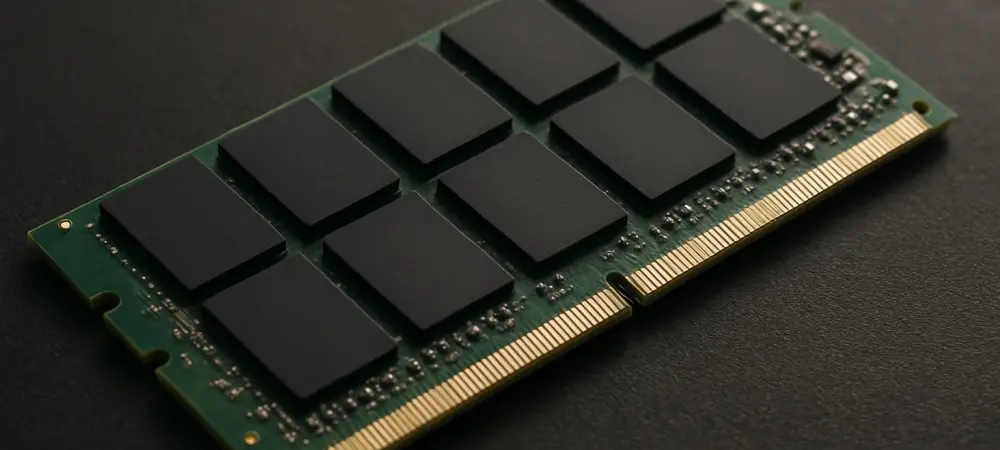
Imagine a workstation handling massive 3D rendering projects, AI model training, and virtualization tasks simultaneously without a hint of lag, thanks to groundbreaking advancements in memory technology. This scenario is becoming a reality with G.Skill’s latest 256 GB DDR5 kit, which promises to push boundaries as memory demands skyrocket in professional and enthusiast computing. This roundup gathers diverse opinions, tips, and reviews from industry sources to evaluate whether this kit can truly redefine PC performance standards for creators, developers, and tech aficionados.
Diving into DDR5 Evolution: Why This Release Stands Out
Industry Perspectives on G.Skill’s Role in Memory Innovation
Across tech communities, G.Skill is often recognized as a frontrunner in memory solutions, and their latest 256 GB DDR5 kit has sparked significant buzz. Many hardware analysts highlight how this release builds on the transition from DDR4 to DDR5, emphasizing the company’s focus on balancing capacity with speed. With specs like 6000 MT/s and a low latency of CL32, the kit is seen as a potential game-changer for high-end systems.
Some industry voices point out that G.Skill’s consistent push for higher capacities caters directly to the escalating needs of modern workloads. From machine learning to content creation, professionals are reportedly eager to test how such robust memory can streamline complex tasks. This sentiment underscores a broader anticipation for DDR5 to set new performance benchmarks.
However, not all feedback is unanimously positive. A segment of reviewers questions whether the average user will notice tangible benefits from such extreme specifications, especially given the likely premium cost. This debate frames a critical discussion on accessibility versus cutting-edge innovation in today’s hardware market.
Growing Demand for High-Capacity Memory: Who Benefits Most?
Feedback from professional circles reveals a strong demand for memory kits like this one, particularly among video editors, 3D artists, and data scientists. Many in these fields argue that 256 GB of DDR5 memory addresses bottlenecks in handling large datasets or rendering intricate projects. This capacity is often described as a lifeline for multitasking across resource-heavy applications.
In contrast, gaming communities offer a more reserved take, with some enthusiasts noting that current titles rarely require more than 32 GB or 64 GB. Discussions on forums suggest that while the kit’s specs are impressive, its primary audience lies in professional workstations rather than typical gaming rigs. This divergence highlights a split in perceived value across user groups.
Tech consultants also weigh in, suggesting that businesses investing in AI and virtualization stand to gain the most. Reports indicate that such sectors are increasingly reliant on memory-intensive operations, making high-capacity DDR5 kits a strategic asset. This perspective adds depth to understanding the kit’s niche yet impactful market positioning.
Technical Breakdown: Capacity, Speed, and Platform Fit
Unpacking the Power of 256 GB at 6000 MT/s
Hardware reviewers frequently cite the sheer scale of a 256 GB kit paired with 6000 MT/s speed as a standout feature, tailored for demanding environments. Many describe it as ideal for tasks like 4K video editing or running multiple virtual machines, where memory constraints often hinder performance. The low CL32 latency is also praised for ensuring quick data access under heavy loads.
Overclocking potential garners attention as well, with AMD EXPO profiles receiving nods for ease of setup on AM5 platforms. Industry feedback often mentions G.Skill’s reputation for reliable overclocking, with several testers anticipating stable performance even at boosted settings. Such capabilities are seen as a draw for power users seeking every ounce of speed.
Skepticism persists, however, around whether these specs justify the investment for all. Some tech blogs argue that diminishing returns kick in beyond certain thresholds, questioning if mainstream professionals will see proportional gains. This critique fuels a broader conversation on balancing cost with real-world utility in cutting-edge hardware.
Platform-Specific Designs: AMD vs. Intel Optimization
The tailored configurations for AMD and Intel platforms are a focal point in reviews, with the 256 GB kit optimized for AMD AM5 at 6000 MT/s and a 128 GB variant pushing 6400 MT/s for Intel via XMP 3.0. Many analysts commend this approach, noting that it addresses unique chipset demands effectively. For instance, AMD users in creative industries reportedly benefit from the higher capacity during intensive editing sessions.
Intel-focused feedback highlights the speed advantage of the smaller kit, often recommended for data-heavy applications like financial modeling. Reviewers appreciate how G.Skill’s platform-specific tuning maximizes compatibility and performance, reducing guesswork for system builders. This strategic design is frequently cited as a competitive edge in a crowded market.
Limitations in cross-compatibility do surface in discussions, with some users pointing out challenges for those with mixed or upgrade-heavy setups. A few hardware enthusiasts express concern over potential mismatches when pairing with older or non-optimized motherboards. These insights underscore the importance of thorough system planning before adopting such specialized kits.
DDR5 Trends: Positioning for Future Demands
As DDR5 adoption accelerates, many industry observers see G.Skill’s high-capacity kits as a forward-thinking response to emerging needs. Commentators often link this release to trends like AI-driven workloads and virtualization, where memory requirements are projected to grow exponentially from 2025 onward. Such kits are viewed as future-proof investments for cutting-edge applications.
Global adoption rates of DDR5 also shape opinions, with some market analysts noting that regions with rapid tech infrastructure growth are prime targets for these products. Feedback suggests G.Skill’s focus on extreme capacities positions them favorably in markets hungry for next-gen solutions. This strategic alignment is often praised as visionary.
Challenging the idea that DDR5 offers only marginal improvements, several tech voices argue that kits of this caliber redefine what’s possible in PC performance. Benchmarks are reportedly being rewritten by such advancements, prompting a rethink of memory’s role in system capabilities. This perspective adds a layer of excitement to the ongoing DDR5 narrative.
Design and Appeal: Performance with Style
G.Skill’s integration of aesthetics in lines like Trident Z5 RGB and Flare X5 garners positive remarks from enthusiasts who value visual flair alongside power. Many reviewers note that customizable RGB lighting and sleek designs make these kits appealing for showcase builds at tech expos or streaming setups. This blend of form and function is often highlighted as a market differentiator.
Comparing this release to earlier innovations, such as the 128 GB DDR5-8000 Trident Z5 Royal kit, commentators see a pattern of boundary-pushing creativity in G.Skill’s portfolio. Speculation abounds on forums about future designs possibly incorporating even more advanced cooling or higher speeds. Such discussions keep the community engaged with the brand’s trajectory.
A unique angle emerges from user feedback on how aesthetic versatility broadens appeal without compromising core specs. Some suggest that offering multiple series options caters to diverse tastes, from minimalist workstation builders to RGB-obsessed gamers. This adaptability is frequently cited as a smart move to expand market reach.
Key Takeaways from Diverse Opinions
Synthesizing the roundup, the standout features of G.Skill’s DDR5 kits—256 GB capacity, speeds up to 6400 MT/s, and platform-specific optimizations—emerge as critical for high-end computing. Across sources, there’s consensus that these specifications target niche yet vital sectors like professional content creation and AI development. The balance of raw power and tailored design is often lauded as a benchmark for memory innovation.
For potential buyers, a recurring tip is to ensure motherboard compatibility and align the kit with workload demands to extract maximum value. Many reviewers stress researching chipset support for AMD EXPO or Intel XMP 3.0 profiles to avoid performance hiccups. This practical advice helps navigate the complexities of integrating such advanced hardware.
Additional insights include leveraging overclocking features for specific tasks or prioritizing lower latency over raw speed in latency-sensitive applications. Community suggestions often emphasize experimenting with BIOS settings to fine-tune performance for unique use cases. These actionable tips empower users to fully harness the technology’s potential.
Reflecting on the Roundup’s Insights
Looking back, the collective feedback and reviews paint a vivid picture of how G.Skill’s 256 GB DDR5 kit captured the imagination of tech professionals and enthusiasts alike. The discussions revealed a deep appreciation for its capacity to handle extreme workloads, even as debates on cost versus benefit persisted. This roundup illuminated the kit’s transformative potential while acknowledging varied user priorities.
Moving forward, those intrigued by this memory solution might consider exploring detailed compatibility guides or benchmark reports to tailor their purchase decisions. Engaging with hardware communities for hands-on user experiences could also provide valuable clarity. As memory technology continues to evolve, staying informed on emerging DDR5 trends will be key to making impactful system upgrades.