

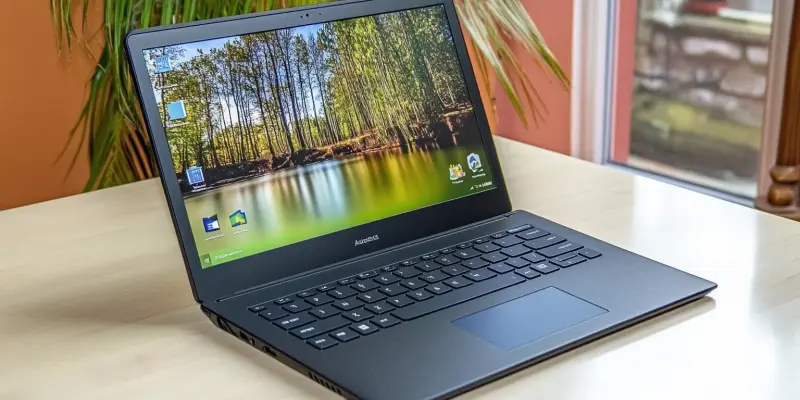
The unveiling of the Energizer EnergyBook Classic laptop series at CES marks an intriguing venture for Energizer, a brand primarily known for its reliable batteries. Together with Avenir Telecom, Energizer aims to diversify its product lineup by offering affordable and durable laptop options ideal for students, casual users, and professionals. These laptops promise long-term support, enhanced durability, energy efficiency, and eco-friendly materials, perhaps positioning them as a sustainable computing solution. But can these affordable laptops genuinely meet your basic needs?
Affordable Laptops with Essential Features
The EnergyBook Classic series consists of two models designed to cater to different user preferences and needs. The 15-inch version comes equipped with 8GB of RAM and 256GB of storage, ensuring smooth performance for everyday tasks like web browsing, media streaming, and basic productivity applications. Meanwhile, the 17-inch variant offers two versions: one with 4GB RAM and 128GB storage and another with 8GB RAM and 256GB storage.
Priced starting at just $200, these laptops are not intended for high-performance tasks like gaming, intensive graphic design, or video editing. Instead, they focus on providing dependable performance for simpler, everyday computing activities. Considering their budget-friendly price, the EnergyBook Classics offer a blend of essential features that can efficiently meet the demands of most users. Focusing on delivering baseline efficiency, Energizer ensures that the EnergyBook Classic series covers the core functions without extra frills.
Emphasis on Durability and Sustainability
One of the standout promises of the EnergyBook Classic series is its emphasis on durability and sustainability. Energizer’s collaboration with Avenir Telecom leverages their combined expertise in creating lasting, reliable products. Echoing the brand’s commitment to long-term use and eco-conscious practices, the laptops use durable materials and are packaged with recyclable materials. Such intentional design choices are aligned with Energizer’s mission of creating products that users can depend on over prolonged periods.
The brand’s focus on energy efficiency also positions these laptops as environmentally responsible choices, potentially appealing to eco-conscious consumers. Moreover, the promise of long-term support further reassures users that their investment in these budget-friendly laptops will be worthwhile. Avenir Telecom’s experience in developing sustainable products translates into a dependable computing experience, reinforcing Energizer’s reputation for reliability.
Expansion Beyond Batteries
The introduction of the Energizer EnergyBook Classic laptop series at CES is a fascinating move for Energizer, a brand predominantly recognized for its dependable batteries. In collaboration with Avenir Telecom, Energizer is expanding its reach by presenting affordable, robust laptops designed for students, casual users, and professionals alike. These laptops are touted to provide long-term support, impressive durability, energy efficiency, and environmentally-friendly materials, which might place them as a viable sustainable computing option.
The question remains if these cost-effective laptops can indeed fulfill your basic computing requirements. Built with the intent to serve various user groups, they focus on balancing performance and sustainability. By using eco-conscious materials, Energizer aims to attract those who are environmentally aware without sacrificing the device’s functionality. Time will tell if the EnergyBook Classics successfully carve out a niche in a competitive market dominated by established laptop manufacturers, but their promise of merging affordability, durability, and eco-friendliness is certainly noteworthy.