

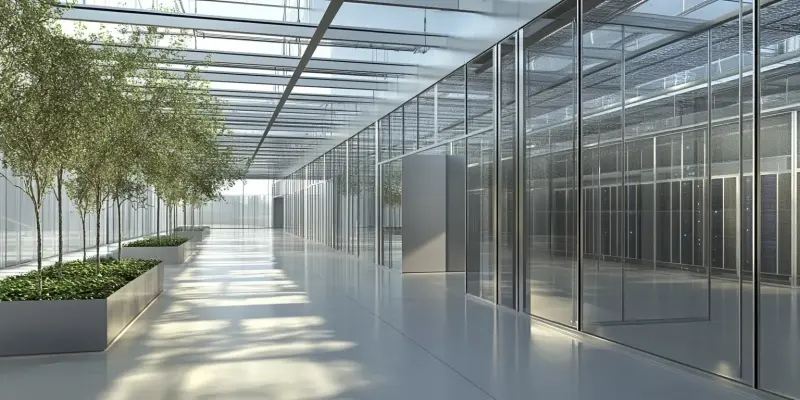
Digitalization is rapidly transforming our world, and Europe is at the forefront of this digital revolution. However, the exponential growth of data centers, which are the backbone of this digital age, poses significant sustainability challenges. As digital demands surge, so does the energy consumption of these facilities, raising pressing questions about the balance between technological advancement and ecological responsibility. With data centers consuming enormous amounts of power, the quest for sustainability becomes even more critical, especially given the increasing urgency of addressing climate change and reducing carbon footprints.
The Surge in Energy Consumption
Data centers are notorious for their high energy consumption and heat production. With power demands expected to triple by 2030, data centers could account for 5% of Europe’s total energy use. This dramatic increase is driven by major tech companies like Amazon, Microsoft, and Google, which are investing heavily in European data centers, leveraging green energy, and focusing on advanced technologies like AI. These investments are not only expanding the digital infrastructure but also contributing to a rising environmental footprint. The challenge lies in developing strategies to balance this energy consumption with sustainable practices, ensuring that the growth of digital infrastructure does not come at the expense of the environment.
One of the significant challenges is the need to cool these data centers, which further escalates energy use. Traditional cooling methods are inefficient and environmentally taxing. Innovations in cooling technologies and the adoption of low-energy consumption methods are essential. Additionally, optimizing server usage and implementing energy-efficient hardware can further mitigate the environmental impact. The adoption of cloud computing could play a pivotal role here, allowing for more efficient use of resources and reducing the number of physical servers required. However, it requires robust policies and widespread adoption to make a significant difference.
EU Regulatory Frameworks
In response to the growing energy consumption of data centers, the EU is implementing regulations to improve energy efficiency within these facilities. The 2023 Energy Efficiency Directive (EED) mandates that data centers with an IT power demand exceeding 500 kW must disclose critical information about their energy performance by May 2024. These disclosures are integral to understanding and managing energy consumption patterns. Furthermore, additional performance standards may be required by May 2025, pushing data centers towards higher operational efficiency and lower carbon footprints.
The European Code of Conduct for Data Center Energy Efficiency further encourages best practices and the use of waste heat for heating and hot water, unless proven impractical. These regulations are designed to create a more transparent and accountable framework, encouraging data centers to adopt sustainable practices. The challenge, however, lies in the enforcement and compliance of these regulations. Without a unified and stringent enforcement mechanism, the effectiveness of these regulations may be compromised. Member states must collaborate to ensure that these standards are met uniformly across the region, ensuring that no loopholes are exploited.
Renewable Energy Integration
Despite the push for renewable energy sources like solar and wind power, challenges remain for data centers looking to integrate these technologies. Geographic dependencies and spatial requirements make it difficult for many data centers to incorporate renewable energy. For instance, not all regions are suitable for solar or wind power installations, limiting the feasibility of these solutions. Companies often face obstacles such as limited real estate for installations and substantial upfront costs. These challenges can deter data centers from making the switch to greener alternatives.
Google’s Saint-Ghislain data center in Belgium serves as a successful example of on-site renewable energy integration, with a 2.8 MW solar plant reducing reliance on the local electrical grid and lowering operational costs. However, such success stories are exceptions rather than the norm. The implementation of renewable energy solutions often requires significant initial investments, which can be a deterrent for smaller operators. Despite the price of renewable energy technologies declining to match fossil fuel costs, the financial barrier remains substantial. Subsidies, grants, and other financial incentives from governments can help offset these costs, encouraging more data centers to adopt renewable energy technologies.
Financial Barriers
For many data center operators, especially those serving tech startups or small and medium-sized businesses (SMBs), the financial burden of integrating renewable energy and advanced energy storage solutions can be prohibitive. The initial investment remains a significant barrier, despite the price of renewable energy technologies declining. Advanced storage technologies, necessary to manage the intermittent nature of renewable power sources, further complicate the financial landscape, making it difficult for smaller operators to achieve sustainability goals.
The cost of adopting new technologies and transitioning to a more sustainable model can be daunting for smaller data center operators. While large corporations may have the financial flexibility to invest in clean energy solutions and advanced technologies, SMBs often operate on tighter budgets. These financial constraints can hinder the widespread adoption of energy-efficient solutions and renewable energy. To address these barriers, governments and regulatory bodies need to provide financial support and incentives, such as tax breaks or subsidies, to help smaller operators transition to greener practices. Without targeted financial interventions, achieving widespread sustainability in the data center sector will remain a significant challenge.
Energy Efficiency and Operational Strategies
The EU acknowledges the growing energy consumption of data centers but current policies largely focus on monitoring rather than aggressively reducing usage. Effective strategies include virtualization, which allows multiple virtual machines to run on a single physical server, and server consolidation, which reallocates workloads to fewer high-efficiency servers. Virtualization optimizes the utilization of existing hardware, while server consolidation reduces the number of physical servers required. These strategies can significantly lower energy consumption and improve overall efficiency.
Additionally, Data Center Infrastructure Management (DCIM) tools enable the dynamic adjustment of power based on server workloads, reducing energy waste. DCIM tools provide real-time monitoring and control, allowing data center operators to optimize energy usage and detect inefficiencies. By implementing these tools and strategies, data centers can achieve considerable energy savings and reduce their environmental impact. However, the success of these strategies depends on the willingness of operators to invest in new technologies and align their operations with best practices. Education and training for data center staff on the importance of energy efficiency can further enhance these efforts.
Waste Heat Utilization
Ensuring the reuse of waste heat from data centers is another critical element in the EU’s sustainability approach. Article 26 of the EED mandates increasing percentages of waste heat usage, with the ultimate goal of eliminating fossil fuels by 2050 in district heating systems. The reuse of waste heat can significantly reduce the carbon footprint of data centers and contribute to the overall sustainability of the energy system. However, implementing waste heat utilization requires substantial infrastructure investments and collaboration between data centers and district heating networks.
While this reuse has been implemented in projects like the Paris Olympics pool, critics argue it may divert attention from the broader environmental impact of technologies like AI. Financial hurdles and lower summer heat sales also impede widespread adoption. Nonetheless, proper planning and investment in waste heat utilization can turn this byproduct into a valuable resource. The potential for waste heat recovery is immense, but it requires concerted effort and collaboration among various stakeholders, including governments, utility companies, and data center operators.
Compliance and Enforcement Issues
Inconsistencies in enforcement and penalties for misreporting energy consumption pose significant challenges to the sustainability of data centers in Europe. High-profile cases, such as those involving Microsoft, Google, Meta, and Apple, have highlighted discrepancies between reported and actual resource usage and emissions. Such discrepancies undermine the effectiveness of regulatory frameworks and the credibility of sustainability efforts. Ensuring accurate reporting and stringent enforcement of penalties is essential for driving real change in energy efficiency and sustainability practices.
Article 32 of the EED provides a general framework for penalties, leaving member states significant leeway in interpretation and enforcement. Nations like Germany enforce strict penalties, whereas others, like Ireland, lag behind despite high data center demands. To achieve meaningful progress, the EU must harmonize enforcement standards across member states, ensuring that regulations are uniformly applied and violations are consistently penalized. This consistency will encourage all data center operators to comply with energy efficiency standards and contribute to the overall sustainability goals.
Overarching Trends and Consensus Viewpoints
Digitalization is quickly changing our world, and Europe is leading this digital transformation. Yet, the rapid expansion of data centers, the essential infrastructure for our digital era, presents substantial sustainability challenges. As our digital needs grow, so does the energy consumption of these facilities, sparking urgent discussions about finding a balance between technological progress and environmental responsibility. Data centers require vast amounts of power to operate, making the pursuit of sustainability more crucial than ever. This is especially important given the growing need to address climate change and minimize carbon emissions.
Furthermore, with digital technology deeply integrated into daily life, from personal communications to industrial processes, the demand for data center services continues to rise. Consequently, these facilities are under increasing pressure to find innovative solutions to reduce their environmental impact, such as using renewable energy sources, improving energy efficiency, and implementing advanced cooling techniques.
In summary, while data centers are pivotal in driving digital innovation, their significant power consumption underscores the necessity for sustainable practices. Balancing technological advancements with ecological stewardship is critical as we strive to create a more sustainable digital future.