

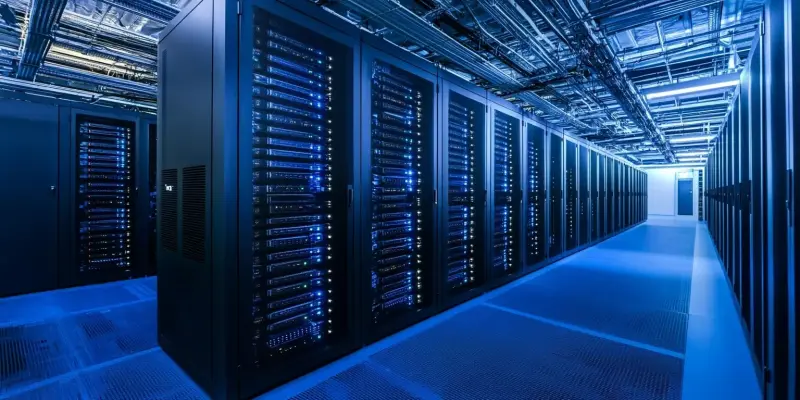
The modern energy sector is grappling with an unprecedented challenge due to the rapid expansion of data-driven technologies, particularly artificial intelligence (AI). Historically, data centers quietly functioned in the background of global digitalization. However, they have now become a critical focus in discussions relating to energy demand and grid transformation. This article explores the multifaceted implications of the growing energy demands of data centers and presents potential solutions to navigate this complex landscape.
The Growing Energy Appetite of Data Centers
Escalating Energy Consumption
Data centers are inherently energy-intensive, accounting for approximately 1 – 1.5% of global electricity consumption and contributing around 1% to energy-related greenhouse gas emissions. The advent of AI has significantly exacerbated this issue, as AI data centers require approximately 5 – 10 times more power compared to traditional data centers. In 2022, the International Energy Agency (IEA) estimated that data centers globally would consume over 1,000 terawatt-hours (TWh) of electricity by 2026, effectively doubling the demand within a mere four-year period. To provide context, 1 TWh is sufficient to power 70,000 homes for a year. This means data centers may eventually consume the equivalent energy needed by 70 million homes annually by 2026, a staggering figure highlighting the intensifying pressure on the energy sector.
The increasing reliance on AI and its computational demands illuminates the scale of this energy challenge. AI processing requires vast computational power, with deep learning models and other algorithms necessitating extensive data processing and storage. As a result, the transition from traditional data centers to AI-driven facilities compounds the strain on existing energy resources. This exponential escalation in energy consumption underscores the critical need for strategic interventions aimed at enhancing energy efficiency within the sector, all while reducing its contribution to global carbon emissions.
Regional Impact and Projections
The United States, in particular, is anticipated to witness the fastest growth in data center demand, scaling up from 25 gigawatts (GW) in 2024 to over 80 GW by 2030. The Electric Power Research Institute (EPRI) forecasts that data centers could consume as much as 9% of the country’s electricity by 2030, posing significant risks to grid stability. This rapid growth underscores the urgent need for strategic planning and investment in energy infrastructure to support burgeoning demand. As data centers proliferate, particularly in regions like Silicon Valley and the Pacific Northwest, the balance between technological advancement and grid sustainability becomes increasingly crucial.
The regional disparity in energy consumption growth also highlights a broader global dynamic, as developed nations house the largest and most energy-hungry data centers. These projections urge stakeholders from policymakers to energy providers, to rethink current strategies and prioritize infrastructure enhancements. Investments in renewable energy sources, coupled with increased grid resilience, are imperative to accommodate the projected loads. Only through such forward-thinking measures can regions like the United States meet the dual goals of supporting innovation while maintaining reliable energy supplies.
The Cascading Effects of Data Centers’ Insatiable Thirst for Energy
Strain on Grid Infrastructure, Reliability, and Energy Transition
The substantial and escalating demand for power from data centers places immense pressure on existing grid infrastructure, already aging and struggling to keep up with broader industry demands and the global push for electrification. Data centers’ need for high and constant energy must ideally be met by clean energy sources to align with overarching environmental goals. Long and slow interconnection queues for new generation projects exacerbate this problem. The inclusion of data centers and the additional generation required to support them in this queue further complicates the process.
Data center developers may face delays in their projects due to mismatched timelines between grid infrastructure investments and data center development cycles. Some experts warn that the rapid growth in AI and data center loads could compromise grid reliability and impede the energy transition. In the US, for example, the projected growth in power demand driven by data centers has caused delays in the retirement of some coal-fired plants. These delays reflect a broader systemic challenge, where the imperative to maintain grid stability can sometimes conflict with environmental objectives. The confluence of these factors necessitates a concerted effort to streamline infrastructure improvements and expedite the adoption of renewable energy sources.
Economic Shifts
The massive energy requirements of data centers and their demand for carbon-neutral energy are prompting technology giants such as Microsoft, Google, and OpenAI to invest in nuclear energy. These companies are funding nuclear restarts and small modular reactors to meet their escalating energy needs, which involve significant financial commitments. For instance, Constellation Energy plans to spend around $1.6 billion to bring a unit of the Three Mile Island nuclear plant back online by 2028, with funding secured through a 20-year power purchase agreement (PPA) with Microsoft.
While nuclear energy often faces controversy from a safety perspective, economic factors have primarily driven past shutdowns rather than technical or safety issues. According to Data Center Frontier, the enormous energy demands of AI could restructure the global energy generation model. Regardless of the energy source, the costs of building the generation and transmission infrastructure necessary to support rising data center consumption are substantial. Bain & Company projects that over $2 trillion in new generation resources may be required. Utilities and data centers must find a way to ensure that these costs are not passed on to ratepayers and devise a method to allocate these expenses efficiently.
PLEXOS as a Path Forward
Innovative Planning and Forecasting Solutions
The rapid development and energy demands of data centers necessitate innovative planning and forecasting solutions. PLEXOS® – a leading energy modeling and simulation platform – offers a robust solution for both data center operators and energy utilities. The platform enables data-driven decision-making, supporting a reliable and sustainable energy future by accurately forecasting and assessing generation and transmission capacity across potential data center locations.
Key capabilities of PLEXOS include DC optimal power flow (DCOPF), nodal modeling, locational marginal price (LMP) analysis, congestion analysis, load shedding and curtailment risk assessment, and assessing available transfer capacity (ATC). These functions are essential for making informed decisions to maximize data center investment and efficiency. By leveraging data analytics, PLEXOS can simulate various scenarios, providing vital insights that guide infrastructure investments aligned with future energy demands, ultimately leading to a more resilient and adaptive grid.
Comprehensive Grid Assessment
Furthermore, PLEXOS allows utilities and grid operators to assess the grid across various time horizons and commodities. This provides accurate forecasting and an assessment of the impact of data centers on grid reliability and affordability. Such comprehensive analysis is crucial, given the variable nature of energy consumption and production, necessitating a holistic approach to energy management.
Capabilities such as congestion analysis, resource planning, and resource adequacy enable system operators and utilities to make transformative energy decisions while maintaining grid stability. With advanced tools like PLEXOS, stakeholders can explore optimal strategies for integrating renewable energy sources, enhancing operational efficiencies, and mitigating risks associated with peak demand periods. This multifaceted approach ensures a balanced and sustainable path forward, addressing the nuanced challenges posed by escalating data center energy consumption.
Conclusion
The modern energy sector is facing an unprecedented challenge because of the swift growth of data-driven technologies, especially artificial intelligence (AI). In the past, data centers operated quietly behind the scenes of global digitalization. Today, however, they have become a central topic in discussions about energy consumption and the transformation of power grids. This article delves into the complex consequences of the rising energy needs of data centers and offers potential strategies to manage this challenging environment. Data centers, which house the infrastructure for AI, cloud computing, and other digital services, are now significant contributors to global energy consumption. As our reliance on digital services grows, so does the energy demand. This surge necessitates innovative solutions to ensure sustainability. These solutions could include more efficient energy practices, advances in cooling technologies, and the integration of renewable energy sources. Collaboration across sectors will be key in addressing the energy challenges posed by data centers and ensuring a reliable, sustainable future.