

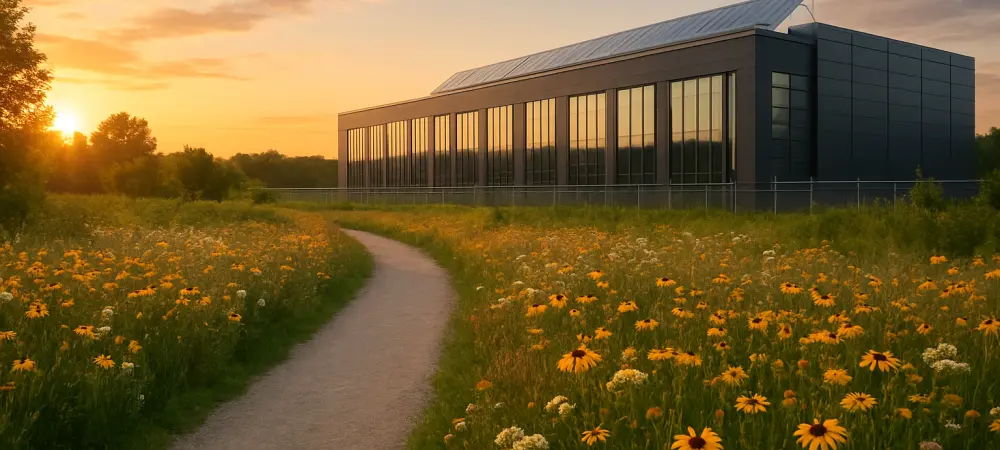
A cooling system optimized for a rainy climate is fundamentally inappropriate for a desert environment, necessitating a shift toward site-specific engineering. This technical reality underscores the growing friction between the global utility of data centers and their localized physical impact. While the digital services these facilities provide—ranging from precision healthcare to complex financial modeling—benefit a worldwide audience, the burdens of noise, energy consumption, and water usage fall strictly on the shoulders of surrounding neighborhoods. This imbalance has transformed what was once invisible infrastructure into a focal point of intense public scrutiny and political debate. Many residents now view these massive, windowless structures not as symbols of progress, but as resource-heavy fortresses that provide few local jobs while straining municipal services. Without a clear strategy for integration, the expansion of the cloud faces a significant hurdle in the form of organized grassroots opposition across many states.
Navigating Environmental and Resource Pressures
Assessing the Local Impact: Water Consumption and Scarcity
Modern data centers require vast quantities of water to dissipate heat generated by servers, a demand creating tension in regions struggling with drought. Global statistics suggest these facilities use a small percentage of freshwater compared to agriculture, yet such broad comparisons provide little comfort to municipal planners managing limited reservoirs. The issue is further complicated by the hidden water footprint of power generation; it often takes twelve times more water to produce the electricity a data center consumes than is used directly in its cooling towers. This indirect consumption is frequently absent from corporate sustainability reports, leading to a transparency gap that fuels distrust. To address this, developers are being pushed toward dry cooling or closed-loop systems that eliminate evaporation, though these technologies often come with higher energy requirements or capital costs that must be balanced against the urgent necessity for local resource preservation.
Managing the Load: Energy Demands and Grid Stability
Power demand remains a formidable barrier to community acceptance, as a single hyperscale campus can require as much electricity as a small metropolitan area. When data centers cluster in specific locations, the cumulative load can threaten the stability of the regional power grid, leading to concerns about residential outages or rising utility rates for local families. In response to these constraints, some facilities have turned to massive on-site backup generators powered by diesel or natural gas to maintain the uptime required by mission-critical applications. However, these systems introduce new problems, including periodic noise pollution during testing and localized emissions that degrade air quality. Maintaining community trust requires a shift away from these reactive measures toward integrated energy plans. Such plans must prioritize the development of dedicated renewable energy sources and grid-scale storage, ensuring that the surge in digital demand does not come at the direct expense of a community’s energy security or long-term environmental health.
Strategies for Harmonious Integration
Transparency and Innovation: Bridging the Information Gap
Bridging the divide between tech giants and local stakeholders necessitates a departure from the vague corporate communication that has defined the industry for years. Meaningful transparency involves the release of granular, site-specific data regarding hourly energy consumption and the exact gallons of water withdrawn from local aquifers. By providing this information in an accessible public format, companies can demonstrate true accountability and prove that their operations are meeting the environmental standards promised during the initial planning phase. Furthermore, establishing clear metrics for future expansion allows residents to understand the long-term trajectory of a project rather than feeling blindsided by incremental growth. This data-driven approach also enables municipal leaders to make informed decisions about infrastructure upgrades, ensuring that the arrival of a data center catalyzes utility improvements rather than overwhelming existing systems. When communities have access to the facts, the narrative shifts from suspicion toward shared oversight.
Future Accountability: Fostering Sustainable Community Partnerships
The transition toward a sustainable data center industry was driven by a fundamental shift in how physical infrastructure was valued alongside digital services. Planners and developers eventually recognized that technical efficiency alone could not compensate for a lack of social license. By prioritizing site-specific engineering and radical transparency, the industry moved away from standardized, resource-heavy designs that ignored local ecological limits. Actionable steps involved the widespread adoption of closed-loop cooling systems and the integration of data center heat into local energy grids, which helped turn these facilities into assets rather than liabilities. Legislators also played a role by mandating granular reporting on water and power usage, ensuring that corporate claims were backed by hard data. Ultimately, the successful coexistence of data centers and local communities was achieved through a commitment to technological innovation and a renewed focus on localized accountability, ensuring the digital future was built on mutual respect.