

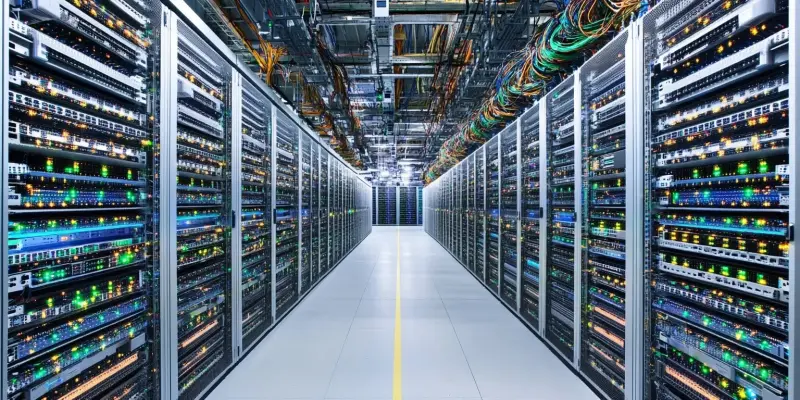
In recent years, data centers have rapidly expanded, raising questions about their impact on national power grids, particularly in Ireland. As the demand for digital infrastructure grows, data centers are under scrutiny for their substantial energy consumption and potential role in exacerbating power shortages. Ireland has emerged as a major hub for data centers, with these facilities consuming approximately 20 percent of the national electricity supply. This trend has led the Commission for the Regulation of Utilities (CRU) to propose stringent measures, aiming to balance the benefits of data centers with the country’s energy needs. Proposals suggest that data centers contribute to the Irish wholesale market using on-site backup generators and batteries, a requirement that has ignited a heated debate.
The CRU’s Proposal and Industry Response
The CRU’s plan entails that data centers supply electricity to homes and businesses during peak demand periods by utilizing their on-site backup generators. Digital Infrastructure Ireland (DII), representing the interests of data centers, has voiced significant opposition to this proposal. DII argues that the CRU’s requirements are unreasonable and place an undue burden on data centers. Maurice Mortell, the chairman of DII, highlighted that the market is not designed for smaller generators and that constructing suitable power plants on-site would result in a cost increase of 30 to 50 percent. This added expense is not trivial as it would necessitate hiring additional staff to manage electricity supply, which deviates from the primary business focus of data centers.
Moreover, DII contends that no other European country imposes similar demands on data centers, potentially rendering Ireland less attractive for future investments. Data centers play a critical role in Ireland’s economy, supporting around 160,000 jobs in the information technology sector, which is the nation’s largest services exporter. However, with energy prices soaring and concerns about supply constraints mounting, the tension between facilitating data center growth and ensuring reliable electricity availability is palpable.
Considering Alternatives and Economic Impact
DII has proposed alternative solutions to the CRU’s stringent requirements. One of their key suggestions is for data centers to fund renewable electricity initiatives via power-purchase agreements (PPAs). By backing green energy projects, data centers could ensure a stable financial footing for the development of sustainable power sources, aligning with Ireland’s broader environmental goals. Such agreements would enable data centers to contribute positively to the grid without the direct inclination of diverting from their core operations. This approach aims to address the CRU’s concerns while preserving Ireland’s competitiveness as an investment destination for data center facilities.
Mortell also advocates for a more nuanced approach to grid connections in areas with tight electricity supplies, like Dublin. Rather than imposing blanket rules, he suggests that each application undergo a case-by-case evaluation by EirGrid and ESB Networks. Many data centers are situated near Dublin due to the proximity to state agencies and small businesses, creating concentrated demand. Mortell emphasizes the importance of active engagement with the government and state agencies to resolve issues hampering data center expansion, highlighting the need for pragmatic solutions that consider unique regional dynamics.
Uncertain Future and Regulatory Challenges
Looking ahead, the landscape for data center investments in Ireland faces uncertainties, exacerbated by external political factors. For instance, trade relations like the US president’s threat to impose a 20 percent tariff on EU imports have made investors wary, resulting in stalled projects or a shift in focus back to the US. Despite these headwinds, the necessity of having digital infrastructure close to markets remains indisputable. Given the critical role data centers play in powering the digital economy, finding a balanced approach to regulation is paramount. Striking a compromise that caters to the energy needs of the industry while ensuring economic benefits is essential. It reflects the broader challenge of fostering innovation and growth without compromising on sustainability and reliability of essential services like electricity. The ongoing debate in Ireland is emblematic of a global issue, as nations grapple with accommodating the rising demand for data infrastructure while maintaining robust, resilient power grids.
Path Forward for Data Center Integration
The CRU’s plan involves data centers supplying electricity to homes and businesses during peak demand using their on-site backup generators. Digital Infrastructure Ireland (DII), representing data centers, opposes this plan, arguing it’s unreasonable and burdensome. DII Chairman Maurice Mortell noted that the market isn’t designed for smaller generators and building suitable power plants on-site would raise costs by 30 to 50 percent. This expense isn’t minor, as it would also require hiring more staff for electricity management, diverting from data centers’ main business focus.
Additionally, DII argues that no other European country imposes similar demands on data centers, potentially making Ireland less attractive for future investments. Data centers are vital to Ireland’s economy, supporting around 160,000 jobs in the IT sector, which is the country’s largest service exporter. With rising energy prices and concerns about supply constraints, the balance between data center growth and reliable electricity availability is a pressing issue.