

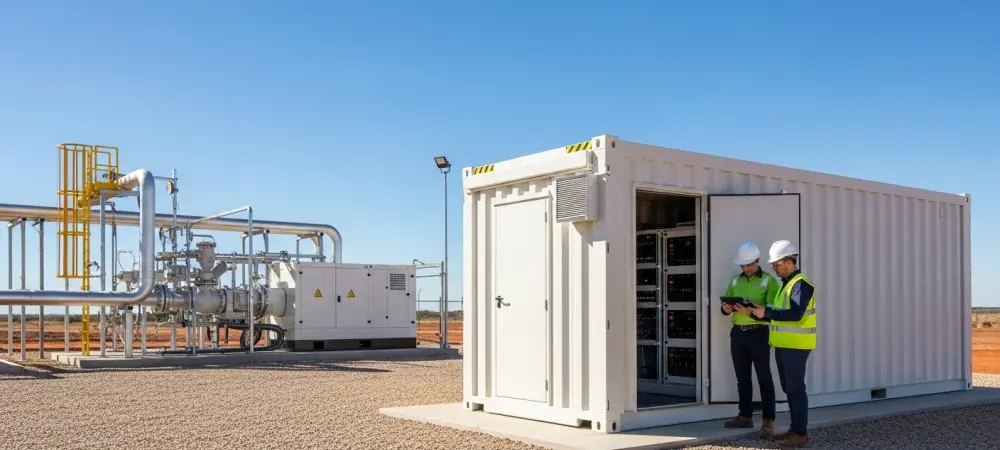
Deep in Western Australia, the familiar glow of a gas flare is being repurposed from a symbol of energy byproduct into the lifeblood of the digital economy, fueling high-performance computing. This transformation from waste to wattage marks a pivotal moment, where the exhaust from a legacy oil field now powers the engine of the modern data age, challenging conventional definitions of an energy company.
The New Energy Equation Why This Pivot Matters
The global economy faces a dual challenge: satisfying an exponential demand for data processing while pushing traditional energy companies toward decarbonization. This has created a fertile ground for innovation, where “stranded” energy sources, like the excess natural gas from oil extraction that is often flared, are no longer viewed as waste but as untapped assets. Simultaneously, the data center industry grapples with its own dilemma—its massive energy consumption and the continuous search for stable, cost-effective power sources beyond the constraints of conventional electrical grids.
This convergence of needs creates a powerful economic incentive to monetize underutilized resources. By capturing flared gas to power on-site data centers, energy firms can transform an environmental liability and operational cost into a profitable new revenue stream. This symbiotic relationship provides the data industry with dedicated, reliable power and offers the energy sector a tangible step toward diversification and improved operational efficiency.
Anatomy of the Gas to Gigabytes Project
At the heart of this strategic pivot is the Dongara Data Centre, a project developed by Pilot Energy in partnership with technology firm Kala Data. The core concept involves a 1MW containerized, immersion-cooled data center powered directly by excess natural gas from the Cliff Head oil field’s existing generators. This off-grid solution bypasses traditional infrastructure limitations and creates a direct link between the energy source and its consumption.
The project is designed for ambitious, phased growth. Phase One, already operational, established a 1MW facility equipped with Starlink for connectivity, making it the first major data center in its region and one of the largest in Western Australia. Firm plans are now in motion to expand capacity to 4MW. Looking further, the partners are assessing a potential expansion to a massive 30–35MW, signaling a deep strategic commitment to this new energy-tech model.
A Calculated Shift Not a Haphazard Gamble
This venture is far from an isolated experiment; it is a calculated component of a broader corporate evolution. Pilot Energy’s collaboration with UAE-based Kala Data, a specialist in monetizing energy assets through high-performance computing, underscores the project’s technical and financial soundness. This partnership brings crucial technological expertise to an established energy operation, de-risking the entry into a new market.
Moreover, the Dongara Data Centre is a prime example of leveraging existing infrastructure—the gas fields and generators—to unlock high-value opportunities in the technology sector. The project fits seamlessly into Pilot Energy’s deliberate transformation into a diversified provider, complementing its other ventures in carbon capture, hydrogen development, and renewable energy storage, proving that legacy assets can fuel a forward-looking strategy.
A Blueprint for Replication in the Energy Sector
The success of the Dongara project provides a clear and replicable blueprint for other energy companies seeking to diversify. The initial step involves auditing operations to identify underutilized energy sources, such as flare gas or stranded wells, that can be repurposed. This process turns a wasted resource into a foundational asset for a new business line.
Following identification, the model advocates for partnering with technology firms specializing in data center deployment and energy monetization. Implementing a modular, scalable project, like a 1MW containerized unit, allows for concept validation with manageable capital expenditure before committing to larger expansions. This approach ensures that such projects are not just one-off initiatives but are integrated into a comprehensive long-term strategy for transitioning toward a more holistic and sustainable energy portfolio.
The initiative in Western Australia did more than just power a few servers; it established a powerful proof of concept for the entire energy industry. It demonstrated that the path to diversification does not always require abandoning old assets but can involve reimagining their purpose in a world increasingly dependent on both energy and data. This fusion of fossil fuel infrastructure with digital-age demand provided a tangible model for monetizing waste, reducing environmental impact, and building a bridge toward a more integrated energy future.