

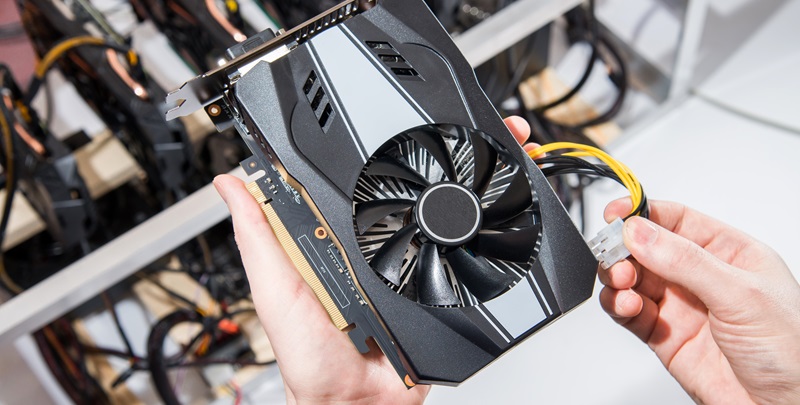
In a rapidly evolving technological landscape, AMD finds itself challenging NVIDIA’s entrenched position in the burgeoning AI market. This comes amid growing discussions about NVIDIA’s perceived monopoly in the sector, a narrative that AMD’s CEO Lisa Su finds overly simplistic. Su posits that the expansive and diversified nature of AI applications creates opportunities for multiple players to thrive. AMD is gearing up to capitalize on what Su believes to be a long-term and highly lucrative market, potentially worth up to $400 billion by 2027. This optimistic view stands in contrast to the current reality, where NVIDIA leads in both financial metrics and product adoption. Nevertheless, AMD’s aggressive new strategies aim to redefine the competitive landscape in AI technology.
The Dominance of NVIDIA
NVIDIA’s market leadership in AI has been undeniable over the past few quarters, driven by both financial success and widespread product adoption. This success has fueled narratives that classify NVIDIA as having a monopoly. Their GPUs have become almost synonymous with AI workloads, utilized in various sectors ranging from automotive technology to healthcare, making them the go-to option for many AI applications. Such dominance naturally raises concerns about a lack of competition and innovation in the field. However, Lisa Su and AMD contend that the AI market is still in its nascent stages and much larger than any single company can comprehensively address.
Despite NVIDIA’s current dominance, AMD believes the diverse needs of AI compute applications will necessitate various architectures and specialized solutions. Their viewpoint hinges on the idea that a single architecture cannot sufficiently cater to the multifaceted requirements of the AI landscape. For instance, applications in natural language processing differ significantly from those in computer vision, each requiring distinct computational capabilities. This variety creates a scenario where multiple companies could potentially thrive by offering specialized, highly optimized solutions for specific applications. According to Su, the narrative of a monopolistic market does not account for these complexities and nuances, thereby presenting a skewed outlook on the future of AI technology.
AMD’s Strategic Moves
AMD is making a concerted effort to level the playing field with NVIDIA. The company is actively expanding its AI product portfolio, launching new initiatives to directly compete with NVIDIA’s offerings. Among these, the upcoming Instinct MI325X AI accelerator and the MI400 series set for release in 2025 mark significant milestones. These products are designed to provide the computing muscle that AI applications demand, potentially rivaling NVIDIA’s GPUs in both performance and efficiency. By rolling out these new products, AMD aims to close the gap not just in capability but also in market perception, proving that they too can be a formidable player in the AI space.
Additionally, AMD’s strategic moves go beyond just product launches. The company is heavily investing in research and development, focusing on creating innovative solutions tailored to varied AI applications. This approach aims to cater to sectors that require specialized computing power, such as autonomous vehicles, smart cities, and healthcare diagnostics. By diversifying its product line and targeting niche markets, AMD seeks to build a robust portfolio that can compete on multiple fronts. This long-term strategy reflects Lisa Su’s belief in the significance of evaluating technological trends over several years rather than months, a perspective that anticipates future shifts in market dynamics.
Looking Ahead
In a swiftly changing technological landscape, AMD is positioning itself as a challenger to NVIDIA’s dominant role in the expanding AI market. This stance arises amidst increasing conversations about NVIDIA’s perceived monopoly in the sector—a notion that AMD’s CEO, Lisa Su, deems too simplistic. Su argues that the broad and varied nature of AI applications opens doors for multiple competitors to flourish. AMD is preparing to seize opportunities in what Su sees as a long-term, highly profitable market, potentially reaching a value of up to $400 billion by 2027. This optimistic perspective contrasts with the current situation, where NVIDIA holds the upper hand in both financial performance and product adoption. AMD is rolling out aggressive new strategies to reshape the competitive landscape in AI technology. With a focus on innovation and strategic partnerships, AMD aims to challenge NVIDIA’s supremacy by offering alternative solutions that cater to a diverse range of AI applications. This could ultimately disrupt NVIDIA’s stronghold and foster a more competitive environment in the AI space.