

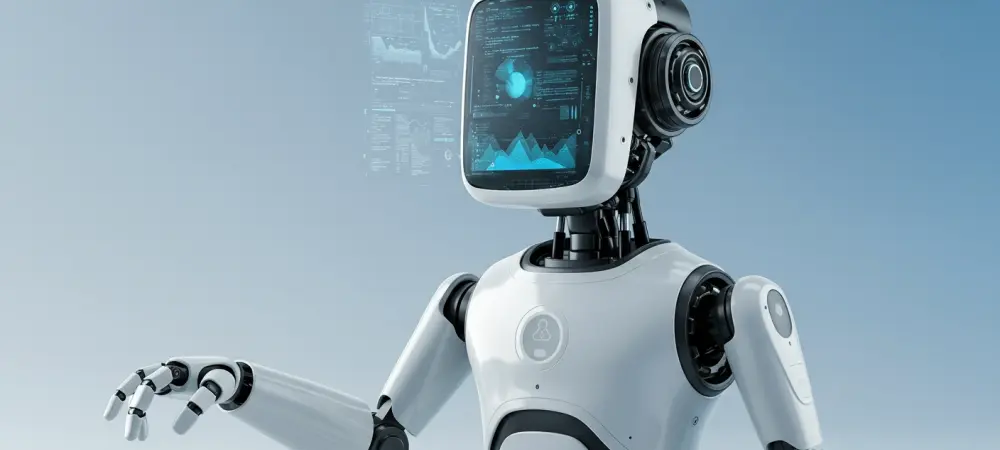
The emergence of generative AI in robotic design marks a revolutionary shift in engineering methodologies, impacting robot functionality and production processes. MIT’s CSAIL exemplifies this innovation by utilizing AI to optimize structures for jumping and underwater gliding robots. Through advanced physics simulation, AI assesses an array of shapes and their configurations, aiming to achieve the most suitable designs, which are subsequently crafted through 3D printing. This cutting-edge approach bypasses traditional trial-and-error mechanisms, uncovering unconventional yet efficient solutions to complex engineering problems. AI’s ability to creatively interpret a machine’s inherent physics offers invaluable insights, expanding design possibilities in unprecedented ways.
Harnessing AI for Optimizing Robot Structure
Jumping Robots’ Novel Designs
MIT’s efforts in robotic design demonstrate significant advancements, particularly in the development of jumping robots. Led by researcher Byungchul Kim, the team has achieved remarkable structural innovations that enhance energy storage within the robots. AI’s role transcends mere iterative improvements; it brings forth an imaginative approach to understanding and implementing the natural physics of machines. In this context, AI identifies novel forms or configurations that optimize energy maintenance and transfer, crucial for effective jumping mechanisms. These findings illustrate AI’s capacity to push engineering boundaries, allowing for more dynamic and efficient robotic models. The project not only highlights the technical prowess of AI but also its potential to redefine conventional engineering paradigms.
Underwater Gliders and Hydrodynamic Efficiency
In partnership with the University of Wisconsin-Madison, MIT explored AI-driven solutions for underwater gliders, revealing groundbreaking hydrodynamic designs that emulate nature’s elegance. These shapes, inspired by creatures like rays and sharks, signify AI’s proficiency in generating diverse, efficient configurations that challenge traditional engineering limits. The collaboration showcases AI’s ability to rapidly produce viable designs that harmonize with natural principles, thus optimizing glider performance. By focusing on hydrodynamic efficiency, AI facilitates the creation of superior underwater robots capable of enhanced maneuvering and energy conservation. Such strides emphasize AI’s transformative impact on robotic engineering, enabling researchers to innovate far beyond conventional design strategies.
Future Trends and AI’s Role in Robotics
AI Empowering Large-Scale Robotic Projects
As AI continues to evolve, its role in developing complex, multifunctional robots becomes increasingly pivotal. Experts, such as Peter Yichen Chen and representatives from CSAIL, assert that AI’s automation capabilities are set to revolutionize design processes, especially for large-scale machines prevalent in household and manufacturing sectors. AI’s potential lies in its ability to handle intricate design computations, thus accelerating the deployment of advanced robotic systems. Through intelligent algorithms and sophisticated simulations, AI aids engineers in crafting intricate designs promptly, overcoming challenges typically associated with traditional methods. This initiative aligns with broader industry trends that emphasize efficiency, adaptability, and innovation in robotic development.
The Promise of AI-Driven Robotics
The trajectory of AI-driven robotics suggests a future where AI interfaces simplify the design and implementation of multifunctional robots. This vision, championed by students like Tsun-Hsuan Wang, highlights the prospect of utilizing natural language interaction to streamline design processes. AI’s application to robotic engineering not only enhances functionality but also opens up new creative avenues, allowing designers to explore uncharted territories in robot aesthetics and capabilities. Such advancements reflect the growing consensus within the engineering community about AI’s integral role in shaping the future of robotics. As technology progresses, AI is poised to make complex design more accessible, fostering a new era of innovative robotic solutions.
Embracing AI for Tomorrow’s Robotics
The dawn of generative AI in robotics design heralds a groundbreaking transformation in engineering practices, profoundly influencing the functionality and manufacturing processes of robots. A vivid example is MIT’s CSAIL, which has adopted AI to enhance designs for robots that excel in jumping and underwater gliding. By employing sophisticated physics simulations, AI evaluates a vast spectrum of shapes and arrangements to pinpoint optimal designs. These designs are brought to life through 3D printing, sidestepping the conventional trial-and-error approach and revealing novel, efficient solutions to intricate engineering challenges. The creative interpretation of a robot’s inherent physics by AI equips engineers with valuable insights, dramatically broadening design possibilities in ways never before imagined. This innovative methodology not only accelerates production but also paves the way for the development of more versatile and adaptable robotic systems, ultimately pushing the boundaries of what current engineering can achieve.