

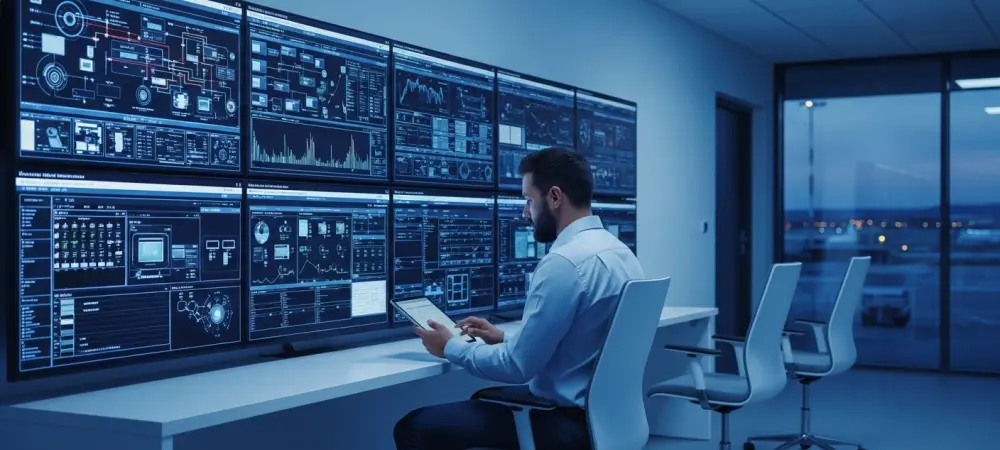
The seamless operation of a major airline often hinges on the silent reliability of thousands of digital endpoints that keep pilots, gate agents, and maintenance crews synchronized across a vast network. Southwest Airlines is currently spearheading a significant shift in enterprise IT management by transitioning from a reactive, troubleshooting-based model to a proactive, automated “autopilot” system for its digital endpoints. This strategic move, led by Derek Whisenhunt, the airline’s head of end-user computing, centers on the deployment of sophisticated Digital Employee Experience software and Artificial Intelligence. The primary objective is to resolve technical issues before frontline employees even become aware that a glitch has occurred. This evolution represents a fundamental change in how the airline supports its massive workforce in an era where digital tools are the backbone of operational efficiency. As the airline manages over 85,000 devices, the focus has shifted toward preventing downtime before it happens.
Prioritizing Proactivity and the Frontline Experience
Moving Beyond Traditional Support Models
Several core themes emerge from the current IT trajectory at Southwest, most notably the shift from a reactive model to a self-healing environment. Traditionally, IT support relied heavily on employees reporting issues through manual tickets, which often resulted in downtime while waiting for a technician to respond. The airline is now moving toward a system that monitors itself in real-time and performs automated corrections. This transition recognizes that IT is no longer just a back-office function; it is a frontline operational necessity that dictates the flow of flight schedules. If a gate agent’s terminal fails or a pilot’s tablet glitches during a critical pre-flight check, the entire schedule is at risk. By prioritizing device reliability, the IT department has transformed into a proactive guardian of the airline’s punctuality, ensuring that technology serves as a bridge rather than a barrier to efficiency in a high-stakes environment where every minute of delay has financial consequences.
The subject of this transformation is an endpoint management strategy that covers the hardware and software utilized by 72,000 employees across various locations. As Southwest has spent the last decade digitizing its frontline workflows, it has replaced traditional paper-based systems with a massive fleet of mobile devices and cloud-based applications. Currently, the airline’s IT infrastructure includes approximately 50,000 smartphones and tablets, 20,000 laptops, and 15,000 desktop PCs. Because two-thirds of the workforce operates in frontline roles, the health of these devices is directly tied to the ability to “turn” aircraft on schedule. Any failure in hardware or software at the gate or on the tarmac can lead to immediate delays and frustrated customers. This scale requires a management approach that moves faster than human intervention, utilizing automated monitoring to keep the digital pulse of the company steady and reliable throughout the operating day and night.
Enhancing Efficiency Through Automation
The airline is also utilizing automation to extend the life of existing hardware, thereby avoiding the high capital expenditures associated with frequent physical upgrades. By focusing on the Digital Employee Experience, the IT team ensures that technology serves as an enabler rather than a source of frustration for those working on the ground or in the air. This shift is part of a growing consensus among large corporations that monitoring device performance from the user’s perspective is more valuable than simply monitoring server uptime. By using platforms like Nexthink, Southwest can identify when a device is underperforming due to software bloat or driver conflicts and fix it remotely. This strategy allows the airline to maintain a high standard of performance without the constant cycle of purchasing new equipment, proving that software optimization can be a powerful alternative to physical replacement. It also reduces the environmental impact of electronic waste by keeping functional devices in service longer.
This focus on remote remediation is evidenced by a massive increase in “remote actions,” which are automated scripts designed to fix problems from a distance without human hands touching the machine. These actions are projected to grow from 1.1 billion in 2024 to 2.1 billion in the current period ending in 2026. This staggering volume of automation represents tens of thousands of hours in saved productivity for the airline’s workforce. Instead of an employee spending thirty minutes on the phone with a help desk, a script runs in the background to clear a cache, restart a service, or update a configuration. This level of automation allows the airline to scale its operations without needing to hire a proportional number of IT support staff. It creates a more resilient infrastructure where the most common technical hurdles are cleared automatically, allowing employees to remain focused on their primary duties of providing safe and efficient travel for passengers across the entire airline network.
Operational Syntheses and Problem Solving
Streamlining Repetitive Processes
Southwest has identified and eliminated several repetitive IT burdens by condensing redundant points of failure within its computing environment. One primary example involves the management of shared back-office PCs where multiple employees log into the same machines over several shifts. Over time, accumulating Microsoft 365 user profiles would fill up hard drives and significantly slow down system performance, leading to crashes and slow boot times. Rather than purchasing larger hard drives for 8,000 machines—a costly and labor-intensive project—the team synthesized a more efficient approach using automation. They developed a remote action that deletes inactive profiles based on “if/then” logic, specifically targeting accounts that have not been accessed for a week. This strategy streamlines operations and removes the need for physical hardware intervention, demonstrating how intelligent software management can solve physical storage limitations without the need for new equipment. By implementing this automated cleanup, the airline effectively recovered storage space that would have otherwise cost millions of dollars in hardware upgrades. This proactive maintenance ensures that every employee who logs onto a shared terminal has a consistent and fast experience, regardless of how many people used the machine before them. The removal of manual cleanup tasks also frees up local IT technicians to focus on more complex issues that require human expertise. This synthesis of operational needs and automated solutions highlights the airline’s commitment to lean IT practices. It reflects a broader move toward “intelligent endpoints” that can manage their own resources and maintain peak performance without constant supervision. By addressing these small, repetitive issues at scale, the IT department prevents them from snowballing into larger, systemic failures that could disrupt the daily operations of the airline’s busy flight hubs and maintenance hangars.
Integrating Workflow for Software Health
The airline also addressed significant failure rates in its security update software by “chaining” several remote actions together to automatically check, restart, and repair the system. Previously, if the Microsoft SCCM client failed on a device, that machine would stop receiving critical security patches and software updates, creating a vulnerability and an operational headache. Rather than having technicians manually investigate and fix each instance of a failed client, the IT team developed an integrated workflow that performs a series of health checks. If a failure is detected, the system automatically attempts to restart the service; if that fails, it initiates a repair of the client software. This layered approach ensures endpoint health without human interference, maintaining the security posture of the airline’s vast device fleet. It transforms a complex troubleshooting process into a silent, background operation that protects the company’s data and its operational continuity. By quantifying success through these proactive remediations, Southwest has recovered significant capacity, saving over 23,000 hours of employee productivity annually. This time recovery allows engineers to focus on forward-looking infrastructure improvements and the development of new tools rather than getting bogged down in routine maintenance. The ability to “chain” actions together represents a more sophisticated stage of automation where the system doesn’t just perform a single task, but follows a logical path to resolve a problem. This reduces the “ticket noise” that often overwhelms IT departments, allowing the staff to be more strategic and less reactive. As a result, the airline has created a robust digital ecosystem that can withstand the rigors of 24/7 aviation operations. This high level of software health integration serves as a foundational element for the airline’s broader digital transformation, ensuring that new applications are deployed onto a stable and secure platform.
The Future of AI and Human Oversight
Leveraging Generative AI and Self-Healing Tools
Southwest is integrating Large Language Models and conversational AI to further boost productivity for both IT analysts and general staff. An AI-driven assistant called “Workspace” now synthesizes data about device health to prioritize tasks for the endpoint team, highlighting the most critical issues that require immediate human attention. This allows the 14-person endpoint team to operate with the efficiency of a much larger group by filtering out the noise of minor alerts. Meanwhile, a new tool named “Spark” acts as a diagnostic guide for general employees, offering a conversational interface where they can describe a problem and receive immediate guidance. Spark provides “self-healing” capabilities by suggesting simple fixes that the user can execute themselves before they feel the need to contact the help desk. This empowers the workforce to handle minor technical hurdles independently, which speeds up the resolution process and improves overall satisfaction.
This approach addresses the common problem of “silent sufferers”—employees who ignore technical glitches because they do not want to deal with the hassle of opening a support ticket. Over time, these ignored glitches can lead to system instability and more severe hardware failures. By providing an easy-to-use AI interface, Southwest encourages employees to address issues early, which ultimately protects the long-term stability of the airline’s digital infrastructure. The integration of generative AI into the support workflow marks a move toward a more intuitive relationship between humans and machines. It shifts the burden of technical knowledge from the user to the AI, which can interpret natural language and provide actionable advice. This ensures that even the least tech-savvy employees can maintain their devices effectively. As these AI tools become more integrated into the daily routine, they create a culture of digital self-sufficiency that benefits the entire organization.
Balancing Automation with Rigorous Governance
While the move toward automation is extensive, Southwest maintains an objective perspective regarding the risks of AI and the potential for automated errors. There is an acknowledged tension between automation and control, especially in an industry where safety and reliability are paramount. The airline treats trust as a metric that must be earned rather than assumed, meaning that every new automated script or AI model undergoes rigorous testing before being deployed across the entire fleet. The IT leadership emphasizes that human oversight and strong governance remain the essential “guardrails” to ensure reliability in a high-stakes aviation environment. By keeping humans in the loop, the airline ensures that automated processes do not cause unintended disruptions to critical flight operations. This balanced approach allows for the benefits of speed and efficiency while maintaining the high standards of safety and security that the public expects from a major carrier. Southwest Airlines demonstrated that a transition to proactive, AI-driven IT support could significantly enhance operational stability and employee productivity. By moving away from a model that waited for things to break, the airline created a preventative world where the technology ecosystem became largely self-aware and capable of self-correction. This strategy supported the core business goal of maintaining a positive customer experience through reliable, on-time departures. The shift to automated endpoint operations ensured that as the airline continued to digitize its processes, its support structures scaled alongside its 85,000 devices without requiring a proportional increase in human headcount. Ultimately, the airline successfully put the mundane aspects of IT on autopilot, which allowed its human workforce to dedicate their expertise to the complex challenges of modern aviation. This digital maturity provided a clear blueprint for other large enterprises looking to modernize their infrastructure while prioritizing the experience of their frontline workers.