

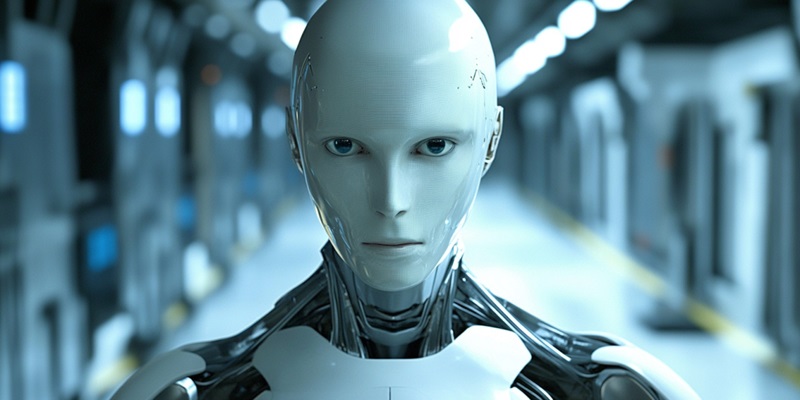
The evolving relationship between humans and machines is being dramatically reshaped by advancements in robotics and artificial intelligence (AI), with the film “Her” serving as a conceptual catalyst for these discussions. A poignant example of this evolution is Skild AI, a Pittsburgh-based startup launched in 2023 by Carnegie Mellon University professors and IIT-Kanpur graduates Abhinav Gupta and Deepak Pathak. Their innovative vision is not just to advance robotics but to revolutionize the fundamental ways in which robots learn and interact with the real world.
The Shift from Controlled to Real-World Applications
Rethinking Robotics: Learning Mechanism Versus Hardware
In the domain of robotics, the transition from controlled laboratory settings to real-world applications is proving to be a game-changer. Traditional robots often struggle with basic tasks because of an overemphasis on hardware without adequate attention to learning mechanisms. This observation is succinctly articulated by Deepak Pathak, who highlights that a primary reason for robotic failures is the lack of comprehensive data and an underdeveloped understanding of physical interactions. Skild AI is addressing this shortcoming by focusing on creating a ‘brain’ for robots that can learn from experiences and autonomously perform physical tasks. This approach is starkly different from the methodologies employed by industry giants like OpenAI and Google, which primarily rely on language models that analyze text data but lack a grasp of physical interactions.
Abhinav Gupta, another co-founder of Skild AI, emphasizes the importance of focusing on software over hardware. He acknowledges that while hardware improvements are essential, the key to unlocking the true potential of robotics lies in developing sophisticated software that enables robots to learn and adapt like humans. Imagine a robot that can navigate a cluttered home, pick up a book, open it, and read aloud—not because it was pre-programmed to do so, but because it learned to perform these tasks through interactions with its environment. This kind of adaptability and learning is what Skild AI aims to achieve, bringing us closer to a future where robots can handle a wide range of tasks seamlessly.
From Task-Specific to General-Purpose Robots
A pivotal trend in Skild AI’s approach is the shift from task-specific robots to general-purpose machines capable of handling numerous queries and commands. Traditional robots have been designed to perform specific tasks, such as assembling parts in a manufacturing line or vacuuming a floor. While these robots excel at their designated functions, they fall short when faced with unfamiliar tasks. The transition to general-purpose robots marks a significant leap forward, as it enables machines to operate in diverse and unpredictable environments. This adaptability significantly expands the range of scenarios in which robots can be effectively deployed, making them more useful in everyday situations.
The shift towards general-purpose robots aligns with the overarching narrative of developing robots that can learn from their surroundings and experiences. By equipping robots with a learning mechanism akin to human experience, Skild AI is promoting a future where machines are not just tools but intelligent partners capable of understanding and responding to a variety of human needs. This philosophy challenges the traditional view of robotics and presents a vision where robots are integral parts of our daily lives, capable of performing a multitude of tasks that enhance our quality of life.
The Mission to Revolutionize Robotics
Bridging the Gap Between Science Fiction and Reality
Skild AI’s mission is not just about creating advanced robots; it’s about bridging the gap between science fiction and reality. The vision is to develop functional, adaptable, and intelligent robots that can perform tasks much like humans do. This goal necessitates a paradigm shift from hardware-centric approaches to software-driven development. By focusing on building a sophisticated ‘brain’ for robots, Skild AI is advocating for a future where robots can autonomously learn and perform a wide array of functions effectively. This development represents a significant leap from traditional robotics, where machines were limited by their pre-programmed capabilities and rigid functionalities.
The narrative put forth by Skild AI encapsulates the challenges, vision, and innovative strategies that are essential in pushing the boundaries of what robots can achieve. While the journey to fully autonomous, learning robots is fraught with challenges, the potential rewards are immense. Imagine a world where robots assist with everyday tasks, from cooking meals to caring for the elderly, all while continuously learning and improving their performance. This vision is what Skild AI is working towards, striving to transform the realm of robotics from a hardware-centric field to one dominated by intelligent software.
Towards Functional, Adaptable, and Intelligent Robots
The dynamic interplay between humans and machines is being profoundly transformed by rapid advancements in robotics and artificial intelligence (AI). The film “Her” acts as a conceptual springboard for these discussions, illustrating potential future synergies. A compelling real-world instance of this transformation is Skild AI, a startup based in Pittsburgh. Founded in 2023 by Abhinav Gupta and Deepak Pathak, who hail from Carnegie Mellon University and the Indian Institute of Technology Kanpur, this company is set on revolutionizing the field. Their groundbreaking approach focuses not merely on advancing robotic technology but also on fundamentally altering how robots learn from and interact with their surroundings. These innovations are pushing the boundaries of what we consider possible, forging a path toward a future where machines and humans work closely together, enhancing each other’s capabilities in diverse fields. This evolving relationship paves the way for smarter, more intuitive interactions between humans and machines, reflecting the visionary themes depicted in the movie ‘Her’.