

Efficiency in the modern warehouse depends on more than just fast forklifts; it relies on the digital infrastructure supporting every barcode scan on the floor. As distribution centers scale, managing the hardware that powers these operations becomes a significant technical burden. Warehouse managers and IT teams frequently struggle with the logistical nightmare of configuring dozens or even hundreds of handheld devices. This article examines a recent breakthrough in the Microsoft Dynamics 365 Business Central ecosystem that promises to eliminate these bottlenecks through a centralized management approach.
The objective is to explore how the integration of SureMDM by 42Gears into the Insight Works suite changes the landscape of mobile device management. By focusing on the single-scan deployment technique, the discussion highlights how manufacturing and distribution firms can reduce technical overhead. Readers can expect to learn about the specific benefits of this synergy, from initial hardware setup to long-term fleet maintenance and security protocols.
Key Questions or Key Topics Section
How Does the Single-Scan Method Streamline Device Enrollment?
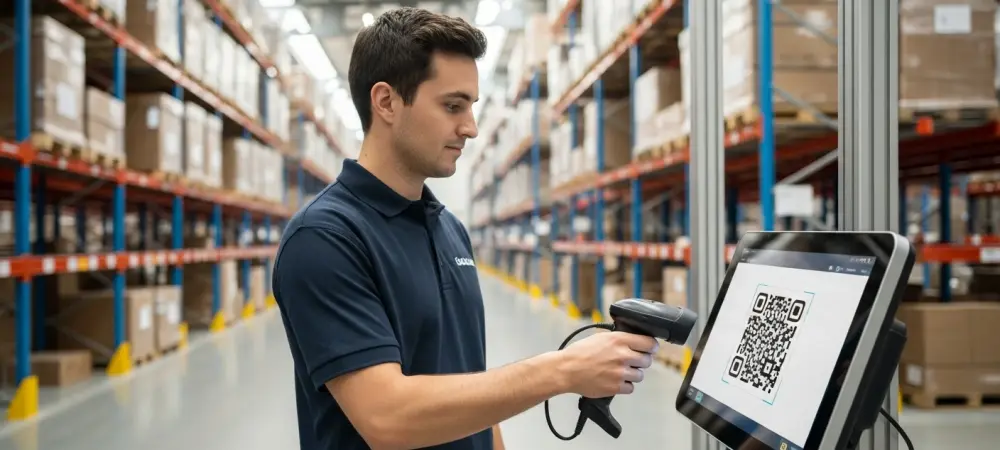
Traditionally, the arrival of new barcode scanners at a warehouse triggered a labor-intensive setup process where IT staff had to touch every unit. This involved manually navigating menus, downloading applications, and typing in complex server configurations to connect to the warehouse management system. Such a repetitive task not only consumed valuable hours but also increased the probability of human error, leading to inconsistent device settings across the fleet. The introduction of the single-scan deployment method revolutionizes this initial phase by automating the entire configuration sequence. When a worker scans a specialized barcode on a new or factory-reset device, the hardware automatically triggers a series of background actions. It installs the necessary Warehouse Insight or WMS Express software, applies all pre-defined network settings, and prepares the device for immediate use. This shift toward automation allows businesses to deploy hardware in minutes rather than hours, ensuring that devices reach the hands of floor workers without unnecessary delay.
What Management Capabilities Are Provided for Active Warehouse Fleets?
Once devices are operational on the warehouse floor, the challenge shifts from setup to ongoing maintenance and version control. Administrators often find it difficult to ensure that every scanner is running the latest OS patch or the most recent version of their management software. Without a centralized tool, updating a large fleet requires collecting all devices from the floor, which disrupts daily operations and creates significant downtime for the shipping and receiving teams. The integration of SureMDM provides a centralized, web-based console that grants IT managers full visibility and control over their entire hardware ecosystem. This interface allows for the simultaneous pushing of software updates and OS patches to every enrolled device, regardless of its physical location. Moreover, the ability to monitor device health and battery status remotely ensures that hardware issues are addressed before they cause a breakdown in the supply chain. This proactive management style fosters a more resilient operational environment where technology remains a facilitator rather than a hurdle.
How Does This Integration Enhance Security and Data Protection?
Security in a warehouse environment involves more than just protecting physical goods; it also requires safeguarding the sensitive data stored within Microsoft Dynamics 365 Business Central. Handheld scanners are mobile by nature and are easily misplaced or stolen, posing a risk if unauthorized individuals gain access to internal inventory systems. Furthermore, workers might be tempted to use industrial devices for non-work-related activities, which can lead to distracted behavior or the accidental download of harmful software. To mitigate these risks, the system incorporates a robust kiosk mode that locks the device into a dedicated state, permitting access only to approved applications. This ensures that the hardware remains a tool for productivity and minimizes the chance of user-induced errors. In the event a device is lost, administrators can execute a remote wipe or lock command to protect sensitive data instantly. By combining these security features with a streamlined management interface, companies can maintain high standards of digital hygiene while supporting a mobile workforce.
Summary or Recap
The integration of SureMDM into the Insight Works ecosystem provides a comprehensive answer to the complexities of managing Android-based warehouse hardware. By utilizing a single-scan setup, businesses effectively remove the friction associated with large-scale device deployments. This progress toward a more automated infrastructure means that technical teams focus on strategic improvements rather than repetitive configuration tasks. The centralized console serves as a powerful tool for maintaining fleet consistency and operational uptime across multiple locations.
Furthermore, the emphasis on security through restricted modes and remote data protection ensures that the move toward mobility does not compromise corporate data integrity. The system supports a wide range of industrial hardware from manufacturers like Zebra and Honeywell, ensuring broad compatibility for various warehouse needs. These advancements collectively reinforce the value of a unified device management strategy within the Business Central environment.
Conclusion or Final Thoughts
Addressing the logistical hurdles of warehouse technology required a shift from manual intervention to intelligent automation. The collaboration between Insight Works and 42Gears demonstrated that simplifying the management of barcode scanners led to more agile and secure distribution operations. Organizations that adopted these streamlined workflows positioned themselves to scale more effectively in a competitive market. This transition highlighted the importance of viewing hardware management as an integral part of the overall supply chain strategy.
Looking forward, the success of such integrations suggested that further convergence between warehouse software and hardware management was likely. Operations managers should have evaluated their current device life cycles to determine where manual processes were causing hidden costs. Implementing a centralized management solution provided a clear path to reducing technical debt while enhancing the overall reliability of warehouse operations.