

A High-Stakes Vision for Economic Renewal in Kansas
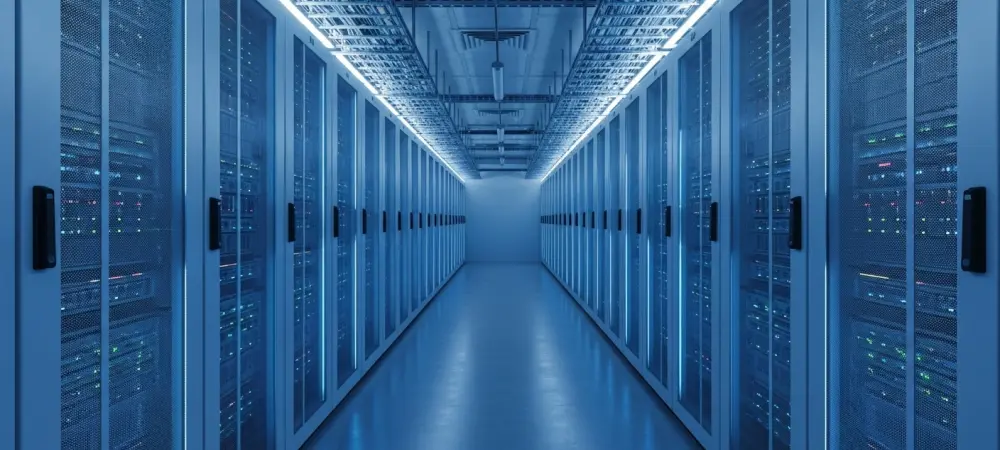
The transformation of a quiet Kansas landscape into a high-tech powerhouse represents a bold gamble on the digital future of the Midwest. The City of Osawatomie stands at a pivotal crossroads as it explores the feasibility of a massive 115-acre data center campus in its Northland area. This proposed initiative, spearheaded through a predevelopment agreement with Alcove Development, represents a potential $1.1 billion investment that could redefine the small town’s economic identity. By considering a facility of up to 600,000 square feet with power capacities reaching 150MW, the city is weighing the benefits of high-tech infrastructure against the concerns of a close-knit community. This timeline serves to document the evolution of the Northland site from a long-dormant industrial plot to a focal point of regional technological ambition, highlighting the critical milestones that have led to this billion-dollar proposition. Understanding this trajectory is essential as Osawatomie evaluates whether a digital-first strategy is the right solution for its long-term financial health and modern relevance.
The Long Journey from Industrial Potential to Digital Ambition
2007 – 2023: Nearly Two Decades of Industrial Stagnation
For sixteen years, the 115-acre site at 335th Street and Osawatomie Road was marketed aggressively as a prime location for industrial development. During this extensive period, the city pursued approximately 100 leads from various industries, yet none of these inquiries materialized into actual construction or long-term commitments. This era of stagnation underscored the difficulty of attracting traditional manufacturing or logistics firms to the area, leaving a significant municipal asset underutilized. The lack of interest from other sectors eventually forced a strategic pivot, as city leaders began to look toward the rapidly expanding technology sector to fill the void left by traditional industry.
Early 2024 – The Partnership with Alcove Development
Recognizing the need for a fresh approach, the City of Osawatomie entered into a formal predevelopment agreement with Alcove Development. This partnership shifted the focus away from general industrial use toward a specialized data center campus. The proposal introduced a scale of investment never before seen in the local area, with estimates ranging from $900 million to $1.1 billion. This shift was not merely about filling land; it was a strategic attempt to tap into the booming Kansas City regional data center market. The agreement established the groundwork for technical evaluations and financial modeling, moving the project from a conceptual idea to a serious municipal consideration.
Mid-2024 – The Six-Month Due Diligence and Feasibility Phase
The city initiated a rigorous six-month due diligence period to assess the technical requirements and community trade-offs associated with a facility of this magnitude. During this phase, officials began investigating the infrastructure needs for a power capacity of 50MW to 150MW and the implications of a 10-year, 50 percent property tax abatement. This period has been characterized by an objective assessment of environmental impact, utility demands, and the potential for job creation. It serves as a cooling-off period where data is gathered to address resident concerns while the city prepares for a potential formal application that would finalize the project’s direction.
Analyzing the Pivotal Shifts in Osawatomie’s Economic Strategy
The most significant turning point in this timeline is the transition from broad industrial marketing to a specific, high-tech niche. For years, the city sought any industrial partner, but the shift to a $1 billion data center reflects a modern understanding of infrastructure-led growth. This evolution mirrors a broader national trend where rural and suburban peripheries are being reclaimed as digital backbones for metropolitan hubs like Kansas City. A notable theme emerging from this process is the “no impact-free path” philosophy adopted by city leadership, which acknowledges that significant economic gains often require substantial land use and resource commitments. However, a gap remains in the long-term projections for local employment, as data centers are known for high capital investment but relatively low permanent staffing compared to traditional manufacturing plants.
Navigating the Complexities of Regional Tech Hub Integration
As Osawatomie considers this leap, it must navigate regional competitive factors and common misconceptions about the data center industry. While some residents feared the environmental footprint or the noise of cooling systems, expert opinions suggested that modern facilities were increasingly efficient and could provide a massive boost to the local tax base even with abatements. Furthermore, Osawatomie did not act in isolation; it competed with other municipalities in the Kansas City region that were also vying for technology investments. A common overlooked aspect of such projects was the secondary infrastructure improvement—such as fiber optic expansion and electrical grid hardening—that often benefited the entire community beyond the walls of the data center. The final decision hinged on whether the city could balance these technical advantages with the social fabric of the community. Moving forward, the city council prioritized final environmental impact statements and community town halls to finalize the project’s zoning status.