

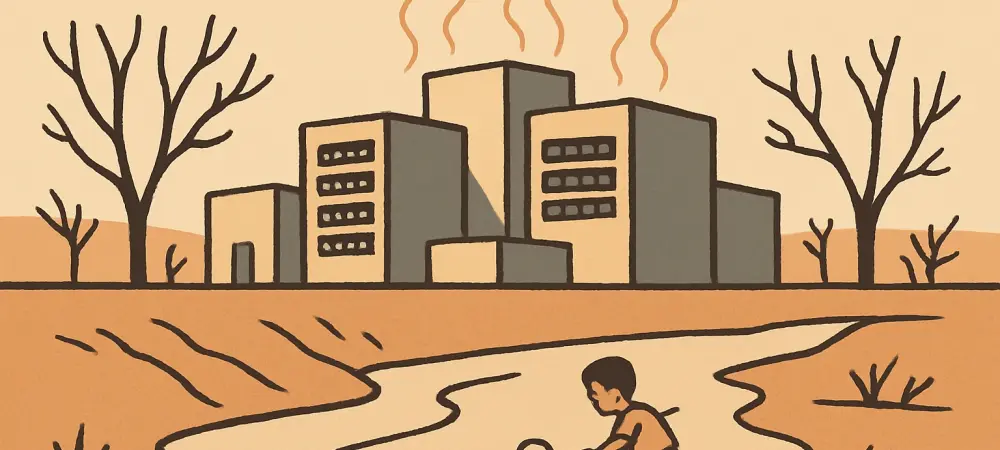
In the heart of California, a quiet crisis is unfolding as the digital age surges forward with unprecedented speed, leaving a troubling footprint on public health and the environment. The state, long a hub for technological innovation, has seen the health impacts tied to data center pollution triple in a startlingly short span of just four years, from 2019 to 2023. Driven by an insatiable demand for computing power, these sprawling facilities that power everything from cloud storage to streaming services are consuming resources at an alarming rate. Research from esteemed institutions and think tanks paints a grim picture: without intervention, the potential harm to communities could climb by another 72% by 2028. This growing challenge isn’t just about numbers—it’s about the air residents breathe, the water they rely on, and the sustainability of a tech-driven future. What’s at stake, and how can California balance innovation with the well-being of its people?
Rising Resource Demands Fuel Health Risks
The sheer scale of resource consumption by data centers in California has become a pressing concern, with electricity usage nearly doubling between 2019 and 2023. Projections suggest this could triple by 2028, reaching a staggering 25.3 terawatt-hours annually—enough to power millions of households. Despite the state’s relatively green energy grid, the spike in demand often leans on natural gas plants, pushing greenhouse gas emissions higher. Beyond carbon, diesel backup generators, essential for reliability, release harmful pollutants like nitrogen oxide and particulate matter. These toxins are linked to serious respiratory and cardiovascular issues, casting a shadow over nearby communities. The numbers are more than statistics; they represent real risks to families living in the shadow of these tech giants. As workloads grow, so does the urgency to rethink how these facilities operate without compromising public health. Can sustainable energy solutions keep pace with this unrelenting growth?
Moreover, water usage adds another layer of complexity to this dilemma, especially in a drought-prone region like California. Cooling systems and power generation for data centers guzzled nearly 50 billion liters of water in the same four-year period, a figure that doubled since 2019. Forecasts point to a jump to 116 billion liters by 2028 if trends hold. This isn’t just a strain on resources—it’s a direct challenge to environmental balance in a state already grappling with water scarcity. The ripple effects touch agriculture, households, and ecosystems, intertwining health and environmental impacts in ways that demand attention. While data centers are vital to modern life, their thirst for water raises questions about long-term viability. Balancing this need with conservation efforts is no small task, yet it’s a critical piece of the puzzle. How can technology evolve to lessen this burden on a state already stretched thin?
Pollution and Public Health Under the Microscope
Turning to the air quality crisis, the pollutants from data centers are emerging as a significant public health threat that can’t be ignored. Diesel generators, routinely tested and used during outages, emit dangerous levels of toxins that linger in the atmosphere, disproportionately affecting vulnerable populations. Research highlights a clear link between these emissions and heightened risks of chronic illnesses, a burden often borne by communities near these facilities. Between 2019 and 2023, the potential health impacts tripled, a statistic that underscores the human cost of unchecked expansion. With projections of further escalation over the next few years, the situation calls for immediate scrutiny. Public health must take center stage in discussions about data center growth, shifting focus from mere operational efficiency to the well-being of residents. Are current regulations equipped to handle this invisible but deadly challenge?
Additionally, the lack of comprehensive oversight amplifies these risks, leaving gaps in how impacts are tracked and mitigated. Tools exist to map pollutant spread and predict health consequences, yet they’re often sidelined in favor of broader carbon emission debates. Experts argue that integrating health assessments into planning—deciding where data centers are built and how they’re powered—could drastically cut harm. Simple adjustments, like stricter emission standards or better transparency, could make a difference. However, the complexity lies in aligning industry priorities with community needs. Data centers are economic engines, but at what cost to the air Californians breathe? Bridging this gap requires not just awareness but actionable policy that prioritizes lives over profits. The question remains: will stakeholders act before the damage becomes irreversible?
Pathways to Sustainable Innovation
Amid these challenges, a wave of innovative solutions offers a glimmer of hope for curbing the fallout from data centers. Phasing out diesel generators in favor of long-duration battery storage stands out as a feasible shift, slashing toxic emissions while maintaining reliability. Natural air cooling techniques, which minimize water use even during scorching heat, provide another avenue, as does using reclaimed water to reduce reliance on potable supplies. Reusing waste heat from servers to warm nearby buildings could also lower energy demands for cooling. These aren’t futuristic dreams but practical steps being explored now. With national data center electricity demand expected to hit 12% by 2028, up from 4.4% just a few years ago, California’s experiments could set a precedent. The challenge lies in scaling these ideas without stifling growth. Can the tech industry embrace sustainability as a core value rather than an afterthought?
Furthermore, collaboration between industry leaders and regulators is essential to turn these innovations into reality. Updating emissions reporting and permitting practices could ensure accountability, while computational load shifting—moving tasks to less strained grids—offers a creative fix, though it’s trickier for certain operators. Transparency around environmental footprints must improve, giving communities a clearer picture of the trade-offs. Experts stress that public health often gets lost in tech-focused conversations, yet it should anchor every decision. These strategies, if prioritized, could redefine how data centers coexist with their surroundings. The path forward demands boldness—both in adopting new tech and in enforcing policies that protect. As California grapples with this balancing act, the stakes couldn’t be higher. Will the state lead the way in proving that progress and protection can go hand in hand?
Charting a Healthier Future
Reflecting on the past few years, the tripling of health impacts from data center pollution between 2019 and 2023 served as a stark wake-up call for California. The surge in electricity and water consumption, paired with rising emissions, painted a troubling picture of an industry outpacing its safeguards. Yet, amidst those challenges, discussions around cleaner backup systems and sustainable cooling methods began to gain traction. Policymakers and tech leaders alike took note of the urgent need to act, as communities bore the brunt of unchecked growth. Those early warnings laid the groundwork for a critical shift in perspective, recognizing that technology’s benefits must not come at the expense of human health or environmental stability. Moving forward, the focus must pivot to actionable next steps—tightening regulations, investing in green tech, and ensuring public health remains a priority. California has the chance to pioneer a model where innovation thrives alongside responsibility, setting a standard for others to follow. How swiftly and decisively these solutions are embraced will shape the legacy of this digital era.