

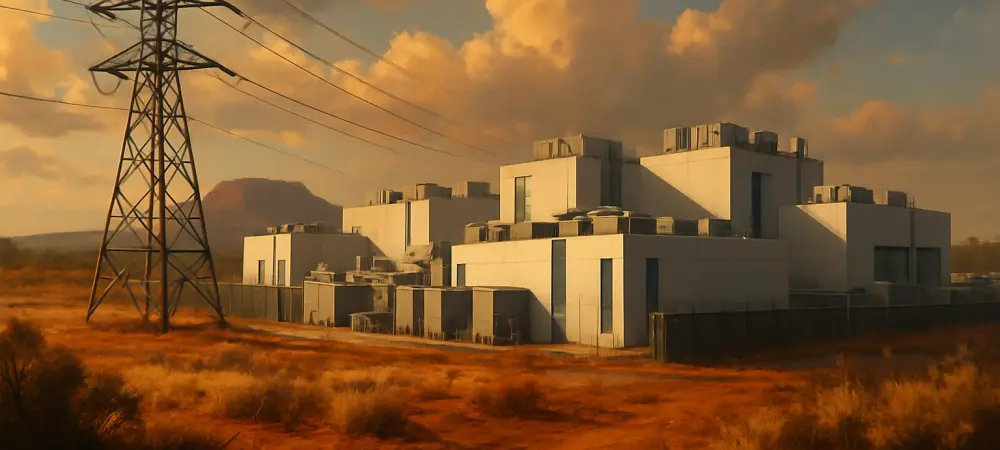
Imagine a digital world where every click, stream, and AI query depends on a sprawling network of data centers humming in the background, yet the very infrastructure supporting this revolution is teetering on the edge of collapse. In Australia, this scenario is becoming all too real. Over the past two decades, the nation has transformed into a powerhouse for data center capacity, driven by an insatiable appetite for digital services and cutting-edge technology. However, beneath this remarkable growth lies a brewing crisis: demand is outstripping supply at an alarming rate. With the digital economy expanding faster than ever, fueled by remote work and artificial intelligence, the shortfall in capacity threatens to disrupt this momentum. This narrative dives into the forces behind Australia’s data center explosion, the mounting challenges of supply constraints, and the urgent steps needed to keep pace with a hyper-connected future.
Unprecedented Growth in Digital Infrastructure
Australia’s journey to becoming a data center hub is nothing short of extraordinary, with capacity soaring from a humble base to a staggering 1.3 gigawatts today. This expansion, particularly accelerated over the last few years, mirrors the nation’s rapid pivot toward a digital-first economy. The post-pandemic shift to remote work catalyzed an explosion in cloud computing needs, while the rise of AI has added unprecedented pressure on infrastructure. Beyond domestic trends, the country’s appeal as a stable and secure destination for global tech giants cannot be overstated. Major investments, like Amazon’s multi-billion-dollar commitment to local facilities and renewable energy, underscore this allure. A combination of political stability, transparent regulations, and reliable energy grids has positioned Australia as a prime spot for hyperscale operations. Yet, while these factors paint a picture of success, they also set the stage for a critical imbalance as the hunger for capacity shows no signs of slowing down, pushing the industry to its limits.
Moreover, this growth isn’t just about numbers—it reflects a fundamental shift in how businesses and society operate. The digital transformation has embedded data centers as the backbone of everything from e-commerce to cutting-edge research. Hyperscale providers and institutional investors are flocking to capitalize on this trend, recognizing the strategic importance of being close to a tech-savvy market. Unlike other regions where growth might be sporadic, Australia’s consistent upward trajectory over recent years signals a deeper integration of digital tools across industries. However, this very success has sown the seeds of strain. As more companies rely on robust infrastructure for their operations, the gap between what’s needed and what’s available becomes increasingly stark. The challenge now is not just to celebrate past achievements but to anticipate future needs, ensuring that this digital lifeline doesn’t snap under pressure. Transitioning from a phase of rapid buildup to sustainable scaling is the next critical frontier.
The Looming Supply-Demand Imbalance
Despite the impressive strides in capacity, a sobering reality has emerged: for the first time in decades, demand for data center space is consistently outpacing supply. This trend, intensifying over the past few years, marks a historic turning point for the sector. Industry experts note that the total uptake by users has exceeded new additions to the market, creating a deficit that’s only widening. Forecasts paint an even grimmer picture, projecting a potential shortfall of between 700 megawatts and 1.7 gigawatts by 2028 if current patterns hold. This isn’t a minor hiccup but a systemic issue that could derail the digital ambitions of countless businesses. The implications are vast, affecting everything from cloud service reliability to the rollout of innovative AI applications. As demand continues to surge, driven by relentless technological advancement, the industry must grapple with the uncomfortable truth that building more capacity alone may not close this gap fast enough.
Furthermore, this imbalance isn’t just a statistical anomaly; it’s a reflection of deeper structural challenges. Limited power availability and grid reliability stand out as major bottlenecks, often delaying or derailing new projects. High construction costs, exacerbated by global supply chain issues, add another layer of complexity, making it tougher to bring facilities online quickly. These hurdles aren’t unique to Australia—they echo struggles seen in data center markets worldwide—but their impact here feels particularly acute given the nation’s rapid digital adoption. Without addressing these constraints, the risk of stunted growth looms large. Companies may face delays in scaling operations, while end users could experience disruptions in critical services. The urgency to rethink strategies, from energy sourcing to project timelines, has never been clearer. Bridging this divide will require more than just ambition; it demands innovative thinking and bold action to align resources with the realities of today’s needs.
Navigating Challenges and Charting Solutions
Looking back, the trajectory of Australia’s data center market revealed a landscape of both triumph and tension, as explosive growth collided with stubborn obstacles. Supply constraints, compounded by power shortages and soaring costs, tested the industry’s resilience at every turn. These challenges often slowed the pace of new builds, leaving the sector scrambling to keep up with unrelenting demand. Grid reliability issues, in particular, stood as a persistent thorn, reminding stakeholders that infrastructure must evolve alongside ambition. Even as global tech giants poured billions into the market, drawn by a stable and attractive environment, the specter of a capacity shortfall—potentially reaching 1.7 gigawatts in just a few years—cast a long shadow over past successes. Reflecting on this period, it became evident that while the nation had carved out a pivotal role in the digital realm, sustaining that position demanded far more than incremental fixes.
Moving forward, the path to stability hinged on strategic innovation and collaboration. Investments in renewable energy sources offered a promising avenue to tackle power limitations, ensuring data centers could scale without straining existing grids. Policymakers and industry leaders needed to prioritize streamlined regulations to accelerate construction timelines, while partnerships between public and private sectors could unlock resources for critical infrastructure upgrades. Exploring modular designs for faster deployment of facilities emerged as another practical step, reducing reliance on traditional, time-intensive builds. Beyond these measures, fostering dialogue among stakeholders to anticipate demand trends would prove essential in avoiding future shortfalls. The lessons from recent struggles underscored a vital truth: proactive planning, not reactive patches, held the key to securing Australia’s place as a digital leader. These actionable steps provided a roadmap to not just weather the crisis but to transform it into an opportunity for enduring growth.