

The rapid expansion of high-performance computing has forced nations to reconsider where their most sensitive data resides and how it is processed. This shift toward digital sovereignty is a fundamental redesign of the modern data center. By moving away from international hyperscalers, countries can secure intellectual assets within domestic borders while providing the specialized processing power required for advanced machine learning. This localized approach provides the strategic backbone for domestic intelligence and national security.
Introduction to Sovereign AI and Localized Compute
Sovereign infrastructure is vital for sectors like defense, where data sensitivity is paramount. It allows for training proprietary models without the security risks of cross-border transfers. This transition also fosters regional growth by bringing investment to areas outside traditional urban centers. By integrating advanced hardware with localized energy solutions, nations maintain control over their AI models and foster specialized economic hubs.
Core Components of High-Density AI Data Centers
AI-focused facilities require significantly higher power densities than standard data centers. This necessity has driven the development of specialized hardware and modular designs that can be deployed quickly in diverse environments. These centers must balance massive electrical throughput with the physical constraints of regional infrastructure to maintain high-performance levels.
Modular Cooling and the HyperCube System
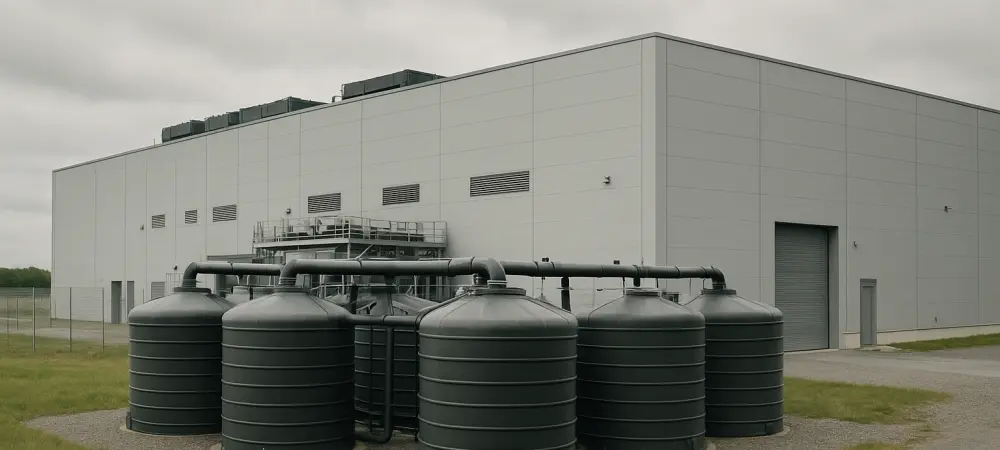
The HyperCube cooling system utilizes immersion technology to handle intense thermal loads with minimal water. This efficiency makes large-scale compute viable in regions with strict environmental regulations. It bypasses local supply issues by using rainwater harvesting and modular fabrication. This proprietary solution differentiates itself from competitors who still rely on resource-heavy evaporative cooling methods.
Specialized IT Load and Electrical Redundancy
Resilience is maintained through high-capacity grid connections and extensive redundancy. Facilities like the Wesley Vale project utilize industrial generators and direct grid upgrades to ensure uptime. This ensures that the massive throughput required for machine learning remains stable during peak demand. The ability to handle a 46MW critical IT load is essential for processing the large-scale datasets found in modern AI research.
Innovations in Vertical Integration and Infrastructure Scaling
Vertical integration is a key trend to accelerate scaling toward gigawatt-level capacity by 2028. By acquiring fabrication businesses, providers manufacture their own modular hardware. This strategy reduces lead times and ensures quality control over critical cooling components. It allows for a more agile response to the evolving hardware requirements of next-generation GPU clusters.
Real-World Applications in AI Training and Inference
Currently, regional hubs in Tasmania provide the necessary environment for complex AI inference. These facilities allow domestic companies to perform large-scale training without crossing international borders. This ensures compliance with sovereignty laws while maintaining high performance. By utilizing former industrial sites, these projects demonstrate how legacy infrastructure can be repurposed for the digital economy.
Technical and Environmental Challenges
Balancing high power needs with community resources remains a constant hurdle. Innovative solutions like trucked-in water are used to mitigate environmental concerns in agricultural zones. Developers continue to improve modular efficiency to reduce the footprint of these massive 1.6GW rollouts. Navigating regulatory obstacles requires a commitment to sustainable resource management alongside technical performance.
Future Outlook for Sovereign Compute Capacity
The future points toward a decentralized but interconnected network of high-capacity sites. Developments will likely integrate renewable energy directly into the data center footprint to offset consumption. These breakthroughs will enable faster scaling while maintaining strict national digital autonomy. This progression ensures that regional hubs become central pillars of the global technology sector.
Summary of Technological Impact
The assessment of sovereign AI infrastructure indicated that success depended on integrated cooling and supply chain control. Leaders realized that modular, regional models offered better reliability and security than centralized international clouds. This transition established a definitive framework for managing national digital assets in an increasingly volatile global landscape. Future growth required a continued focus on environmental stewardship to sustain large-scale compute capacity.