

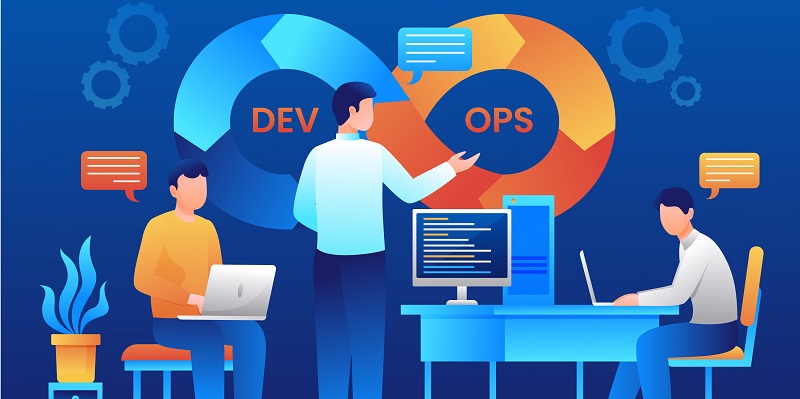
In today’s interconnected digital landscape, the importance of software supply chain security cannot be overstated. It is crucial for organizations to ensure the integrity and trustworthiness of software components throughout the development and deployment process. However, a significant disconnect exists between security leaders and developers regarding the understanding and implementation of software supply chain security. A recent survey sheds light on these disparities and highlights the need for greater collaboration and understanding to achieve this vital goal.
Survey Findings on Developers’ Perspective
The survey reveals that a large majority of developers (92%) acknowledge the importance of software supply chain security. For 39% of them, it is deemed absolutely essential. Furthermore, an overwhelming majority (96%) recognizes that effective software security practices are not only important for meeting government or regulatory requirements, but also critical in their overall threat and risk mitigation strategy.
Survey Findings on Security Leaders’ Perspective
Interestingly, the majority of security leaders and Chief Information Security Officers (CISOs) (70%) view software supply chain security as a top priority, recognizing its significance for overall organizational security. However, this viewpoint is not entirely shared by developers, with slightly more than half of them (52%) in agreement. This disparity indicates a clear divide in understanding and urgency between these two critical groups.
Lack of Communication and Collaboration
Another significant finding from the survey is that communication and collaboration between developers and security teams is lacking. Roughly two-thirds of both security leaders (69%) and developers (64%) concur that the lack of effective communication and collaboration is a prevalent issue. The absence of effective collaboration greatly hampers the achievement of software supply chain security objectives.
Tension Between Teams
The need to prioritize security often causes tensions between development and security teams. The survey reveals that over three-quarters of security leaders (77%) and more than two-thirds of developers (68%) agree that this need for prioritization causes tensions within their respective teams. This tension can hinder the implementation of effective security practices and compromise the overall software supply chain security.
Interference with Productivity and Innovation
Developers express frustration with the work and tools imposed by security teams. Nearly three-quarters (73%) claim that the requirements set by security teams interfere with their productivity and innovation. This interference poses a significant challenge to striking a balance between security measures and conducive development environments, thereby impacting the overall efficiency and creative potential of the development process.
Overwhelming Scanner False-Positive Alerts
Both security leaders and developers recognize the obstacle of an overwhelming number of scanner false-positive vulnerability alerts. Approximately 36% of security leaders and 34% of developers consider this issue one of the biggest obstacles to achieving software supply chain security. Addressing this challenge effectively and efficiently remains a concern for organizations seeking to improve their security practices.
Gap in Security Teams’ Understanding
The survey highlights an alarming perception among developers: many security teams lack a comprehensive understanding of core software components. While security teams are familiar with open source software libraries, source code repositories, and source code management systems, only 43% claim that security teams are very familiar with container images. This knowledge gap inhibits the creation of secure and resilient software supply chains.
Embracing DevSecOps and Underestimated Challenges
To tackle these obstacles, many organizations have started adopting DevSecOps best practices. These practices aim to seamlessly integrate security throughout the software development lifecycle. However, organizations often underestimate the cultural and technical challenges that accompany such transformations. Effective implementation of DevSecOps requires a holistic approach, encompassing not only technical aspects but also cultural shifts in collaboration and understanding.
With the ever-increasing reliance on complex software supply chains, ensuring their security has become paramount. The survey findings clearly indicate a need for improved communication, collaboration, and understanding between developers and security teams. Bridging the gap between these two essential groups will pave the way for enhanced software supply chain security. By aligning objectives, fostering collaboration, and addressing knowledge gaps, organizations can establish a strong foundation for the trustworthiness and resilience of their software supply chains. Achieving this goal will require concerted efforts, but the rewards in terms of enhanced security posture and confidence in the software supply chain’s integrity are invaluable.