

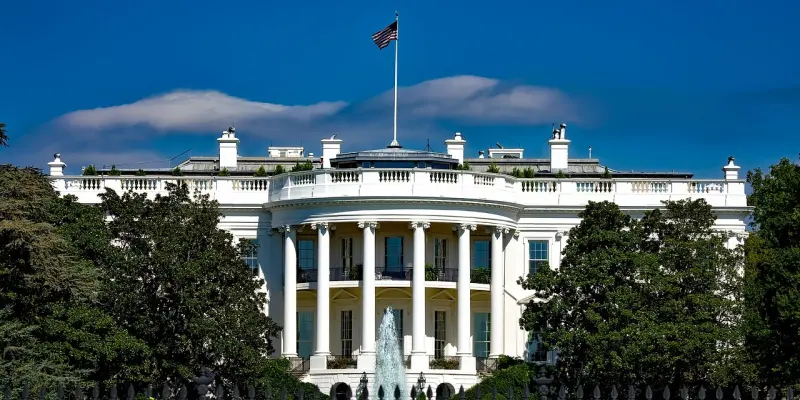
In the closing days of his presidency, Joe Biden has taken decisive steps to address the increasing energy demands of advanced AI data centers through a significant executive order. This order, as announced by the White House, aims to expedite the development of the necessary infrastructure to power these facilities. By facilitating the lease of federal land managed by the Defense and Energy departments for gigawatt-scale AI data centers and clean power projects, the administration intends to meet the significant energy requirements of these centers swiftly.
Enhancing Economic Competitiveness and National Security
Focus on American-Made Technology
Biden emphasized that the initiative is designed to enhance economic competitiveness, strengthen national security, promote clean energy, and ensure the safety of AI. A key aspect of this order is its focus on American-made technology. Companies that utilize these federal sites for AI data centers will be required to purchase US-made semiconductors, in alignment with the administration’s goal to invest over $30 billion in domestic chip production. This initiative not only supports the domestic semiconductor industry but also aims to reduce dependency on foreign technology, thus bolstering national security and economic resilience.
The executive order comes at a crucial time when the US is vying for technological leadership in the face of global competition. By mandating the use of American-made technology, the directive aims to foster innovation and growth within the country. This move is also expected to create numerous job opportunities, further strengthening the economy. Additionally, the focus on domestic production aligns with broader strategic goals, ensuring that the US maintains a competitive edge in the rapidly evolving technology landscape, particularly in AI.
Streamlining Construction and Development
To streamline the construction of AI infrastructure, federal agencies have been directed to expedite the permitting process, improve connections to the electric grid, and advance transmission development around federal sites. These measures are critical to avoiding delays in deploying essential infrastructure. Expediting these processes will ensure that the necessary AI data centers and related facilities can be established quickly and efficiently, meeting the growing demands of advanced AI systems.
White House technology adviser Tarun Chhabra highlighted the urgency of this initiative, stating that ensuring the AI industry can build the infrastructure needed to train and deploy powerful AI models within the US is essential. He noted that the demand for computing power and electricity is increasing as developers work on more advanced and resource-intensive AI systems. By 2028, some AI data centers may need up to five gigawatts of capacity, enough to power millions of homes. This scale of energy demand underscores the importance of timely and efficient infrastructure development to support the burgeoning AI industry.
Addressing Environmental and Security Concerns
Environmental Focus and Sustainable Energy
The executive order also aligns AI development with environmental goals, urging companies to use sustainable energy and minimize their impact on electricity prices. This aspect of the order addresses growing concerns about the environmental footprint of AI data centers, which can be substantial due to their massive energy consumption. By promoting the use of clean energy sources, the administration aims to reduce the carbon footprint of these facilities, balancing technological advancement with environmental stewardship.
Additionally, the order’s emphasis on clean energy initiatives supports broader goals of reducing greenhouse gas emissions and combating climate change. By encouraging AI data centers to adopt sustainable practices, the administration signals its commitment to responsible technological development. Companies developing these centers are likely to explore innovative solutions to integrate renewable energy sources, such as solar and wind power, reducing reliance on fossil fuels and contributing to a more sustainable future.
National Security and Export Restrictions
Biden’s final days in office have seen a bold move to address the rising energy demands posed by cutting-edge AI data centers. Through a significant executive order, he aims to accelerate the development of essential infrastructure needed to power these advanced facilities. According to an announcement from the White House, this order seeks to streamline the process by which federal land leased from the Defense and Energy departments can be utilized for gigawatt-scale AI data centers and clean energy projects. This initiative is designed to meet the substantial energy requirements of these advanced AI centers promptly. By leveraging federal land, the administration hopes to ensure a swifter and more efficient rollout of the necessary infrastructure, thereby supporting the burgeoning technological landscape and its intensive energy needs. This proactive step underscores the administration’s commitment to fostering innovation while addressing the environmental and energy challenges associated with AI development.