

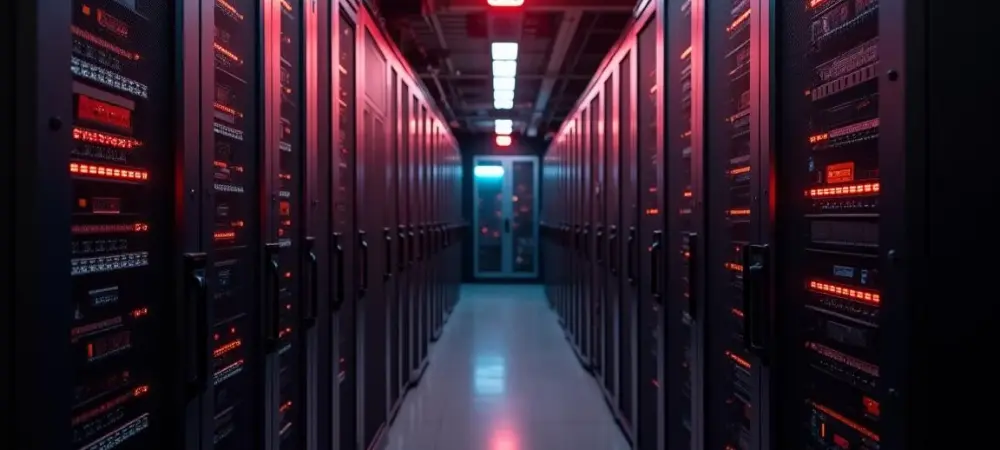
In the ever-evolving landscape of digital infrastructure, BentallGreenOak (BGO) has turned heads with the launch of its data center platform, BGO DataCenters, spearheaded by Dominic Jainy, an expert in AI and digital strategy. This endeavor marks a significant step for BGO as it delves deeper into the rapidly expanding realm of data centers. Dominic shares his vision, challenges, and insights as BGO DataCenters aims to lead in developing sustainable, hyperscale, and AI-optimized infrastructure across Europe.
Could you tell us about the vision and goals behind the launch of BGO DataCenters?
The vision for BGO DataCenters is to create a dedicated platform that harnesses our strengths in real estate investment and development to address the growing demand for data centers. Our goal is to deliver tailored, sustainable, and high-performance digital infrastructure that not only meets the market’s current needs but is also adaptable for future technological advancements. We are focusing on strategic markets and leveraging our expertise to lead this venture successfully into the digital future.
What factors led BGO to enter the data center sector at this time?
The timing aligns with a pivotal moment in the digital economy where data consumption is exponentially rising, spurred by increased cloud adoption and AI innovations. Entering the data center sector allows us to capitalize on this growth by providing solutions that are not just reactive to market needs but proactive in anticipating the technology’s trajectory. BGO’s strong background in real estate, combined with our forward-thinking approach, places us well to make a substantial impact.
Could you elaborate on the meaning of “customized sustainable, hyperscale, and AI-optimized digital infrastructure”?
This phrase encapsulates our commitment to creating infrastructure that is not only vast in capacity but also sustainable in its operations. By “customized,” we mean adapting our solutions to meet the specific requirements of different clients and locations. “Hyperscale” refers to the ability to support massive data processing and storage demands efficiently, while “AI-optimized” indicates our focus on leveraging AI to enhance operational efficiency and innovation in our services.
What are the challenges in delivering data centers with the speed, scale, and reliability that hyperscalers demand?
One of the primary challenges is ensuring that the infrastructure can scale rapidly while maintaining reliability and uptime, which is essential for hyperscalers. This requires a robust supply chain, precise project management, and the ability to anticipate and mitigate risks associated with construction and operation. Moreover, we need to ensure our designs are future-proof to adapt to evolving technology standards and energy efficiency expectations.
What advantages does BGO DataCenters have over other data center platforms?
We bring a unique combination of financial strength, real estate acumen, and a deep understanding of digital infrastructure. BGO DataCenters is not just about building facilities; it’s about integrating local market expertise with global scale to provide differentiated solutions. Our backing by BGO gives us access to high-conviction capital, enabling us to pursue ambitious projects with confidence and agility.
How does your team plan to address the different needs of Tier 1 and Tier 2 markets?
Our approach involves tailoring our strategies to meet the specific requirements and growth potentials of each market tier. Tier 1 markets, typically more established, demand advanced infrastructure with higher capacity. In contrast, Tier 2 markets offer opportunities for growth and innovation as these areas develop. We aim to balance these needs by aligning our solutions to the unique demands and characteristics of each market.
What is the significance of the geographical focus on the UK, Spain, France, Germany, Italy, and the Netherlands?
These countries represent key hubs in Europe’s digital economy, each with its own strengths and strategic importance in accessing broad market opportunities. They provide us with access to a large base of enterprise clients and hyperscale users while offering a diverse range of economic environments. Moreover, having a footprint in these vibrant markets allows us to influence and support the digital transformation efforts occurring across Europe.
How do your previous experiences at Yondr and Brookfield Asset Management influence your approach to leading BGO DataCenters?
My experiences have equipped me with insights into the intricacies of data center development and management. At Yondr, I learned the importance of scalability and customer-centric solutions, while Brookfield Asset Management taught me the financial discipline and strategic planning necessary for large-scale real estate investments. Combining these experiences informs my strategy at BGO DataCenters, focusing on delivering value and sustainability.
How do you anticipate changes in technology affecting your long-term strategies for data centers?
Technology is perpetually evolving, and our strategies must reflect these shifts. Advances in AI, edge computing, and renewable energy will continue to shape the landscape, pushing us to innovate constantly. We are committed to integrating these technologies into our development processes and infrastructure design, ensuring that we remain at the cutting edge and offer compelling solutions to our clients.
Do you have any advice for our readers?
Stay curious and adaptable. The pace of technological change is accelerating, and industries are rapidly transforming. Embrace lifelong learning and be open to exploring new technologies and methodologies. Understanding how digital trends intersect with traditional industries can provide strategic advantages and open up new opportunities in this exciting era of innovation.