

Global memory shortages and the diversion of GDDR modules to AI data centers have created a persistent ‘AI tax’ that continues to inflate the cost of consumer graphics hardware. This October 2026 Prime Day arrives during a volatile period where PC enthusiasts face a unique set of economic challenges. Over the past several months, the competition for high-bandwidth memory has prioritized enterprise-level AI infrastructure, leaving the consumer gaming market to deal with lingering price premiums. While the era of massive, sweeping discounts across every product category has largely vanished, the current sale provides a critical window of relief for builders. Navigating this environment requires a disciplined focus on specific value plays rather than waiting for a total market correction that shows no signs of arriving in the current fiscal cycle. As retail inventories stabilize briefly for this event, savvy shoppers are identifying specific hardware tiers where the price-to-performance ratio justifies the investment despite the overarching inflationary trends affecting the industry.
The Resurgence of AMD Radeon Value
AMD has positioned itself as the primary benefactor for budget-conscious gamers during this sales cycle, offering the most aggressive price cuts on desktop hardware seen so far this year. While Nvidia continues to hold a larger market share, its Prime Day presence is largely felt in the laptop sector, leaving “Team Red” to dominate the standalone component space. The standout deals center on the RX 9000 series, particularly the RX 9070 GRE. With discounts from major partners like ASUS and Gigabyte reaching up to 33 percent, these cards represent the current sweet spot for those seeking modern architecture without the premium pricing typically associated with its competitors. This divergence in strategy between the two major chipmakers has created a binary market where Nvidia caters to the high-end enthusiast and mobile professional, while AMD captures the middle-market builders who are unwilling to pay the steep “AI tax” for incremental gains in specialized ray-tracing features.
Beyond the raw discounts, the strategic value of the RX 9000 series is bolstered by its architectural efficiency and high memory buffers, which have become essential in the 2026 gaming landscape. Various manufacturers, including PowerColor and Sapphire, have introduced exclusive Prime Day bundles that pair these GPUs with modern power supplies or NVMe drives, further lowering the total cost of entry for a new system build. This approach addresses a growing concern among consumers that graphics card prices have outpaced wage growth, making the mid-range segment more competitive than ever. By focusing on the RX 9070 GRE and its XT variants, AMD is effectively reclaiming the ground lost during the previous supply crunches. The current pricing structure suggests that the company is willing to sacrifice short-term margins to secure long-term loyalty among PC builders who are increasingly weary of the $1,000 baseline for high-performance components, thus positioning itself as the value champion.
Technical Shifts: Memory Standards and Physical Constraints
The shift in hardware standards is palpable in 2026, as the industry has officially moved away from the long-standing 8GB VRAM benchmark that once defined the entry-level experience. For a reliable 1440p gaming experience today, 12GB of video memory is now the bare minimum required to avoid texture popping and stuttering in modern titles, while 16GB is increasingly viewed as the standard for 4K performance. This transition is reflected in the popularity of cards like the RTX 5070 and the RX 9070 XT, which provide the overhead necessary for the massive asset sizes found in current game engines. Furthermore, the 2026 lineup fully embraces the PCIe 5.0 standard, ensuring that new GPUs can take full advantage of the latest motherboard bandwidth capabilities. This technological leap means that even mid-range cards are now capable of data transfer speeds that were reserved for elite workstations just two years ago, necessitating a holistic view of system compatibility for any buyer.
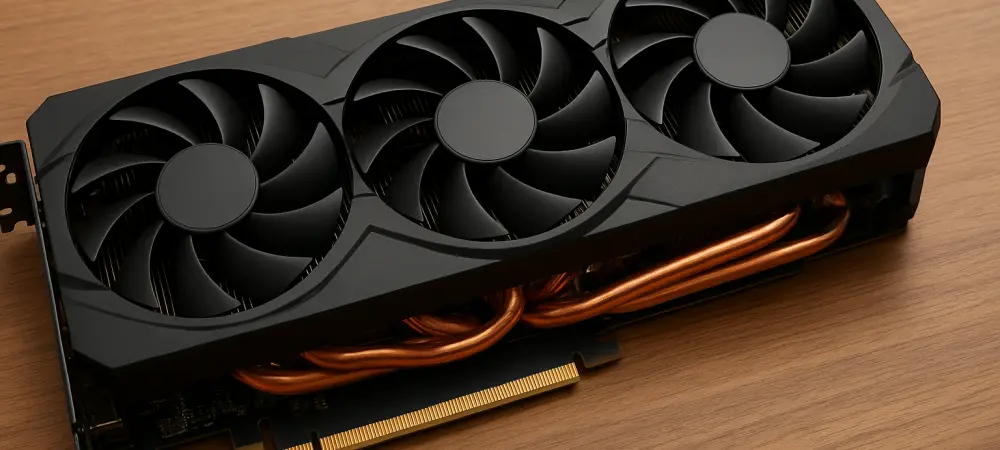
Modern graphics cards have grown significantly in physical footprint and power requirements, making “small form factor” builds more challenging than ever. Most mid-to-high-end deals featured this October involve substantial 2.5-slot or 3-slot designs equipped with advanced cooling systems like axial-tech fans to manage the heat from high-clock GDDR6 memory. Buyers must be diligent in checking their case clearances and power supply wattage before committing to a purchase during the Prime Day rush. A discounted card is only a bargain if it actually fits in the chassis and does not trigger a secondary wave of expensive component upgrades, such as a new case or a higher-capacity 850W power supply. This physical inflation of hardware is a direct consequence of the thermal demands of modern chips, where higher clock speeds and denser transistor counts necessitate massive heatsinks. Consequently, the “deal” on a high-end card often comes with the hidden cost of requiring a more robust cooling environment.
Strategic Purchasing: Software Ecosystems and Performance Targets
Strategic purchasing in late 2026 requires a deeper look at software ecosystems, as raw hardware power is no longer the only metric for measuring gaming performance. The competition between Nvidia’s DLSS 5, AMD’s refined FSR, and Intel’s XeSS has made frame generation and ray reconstruction essential features for any modern setup aiming for high fidelity. While Nvidia maintains a slight edge in proprietary software sophistication and integration with professional creative suites, AMD’s raw hardware-to-dollar ratio remains the superior choice for those who prioritize traditional rasterization performance. Choosing between these brands now involves weighing the importance of these AI-driven visual enhancements against the immediate savings at checkout. For many, the ability to play at higher resolutions through sophisticated upscaling is worth the premium, but for the pure performance enthusiast, the brute force of a high-end Radeon card often provides a more consistent experience across a broad library of titles. Market analysts suggested that supply chain pressures and the continued diversion of components to the AI sector would trigger another wave of price hikes in early 2027. Consequently, the October 2026 Prime Day event represented one of the final opportunities to secure current-generation hardware at a somewhat normalized price. For builders who had been waiting for the “perfect” moment, the combination of current discounts and the threat of future inflation made this an ideal time to finalize a long-delayed upgrade. Those who took action were able to secure 12GB and 16GB cards that ensured compatibility with upcoming software titles for the next several years. To maximize these gains, experts recommended verifying power supply compatibility and prioritizing cards with PCIe 5.0 support to maintain system relevance through 2028. Ultimately, the decision to buy during this window was a hedge against the persistent “AI tax” that characterized the mid-decade hardware market, providing a stable foundation for gaming.