

A New Frontier in Industrial Computing and Energy Synergy
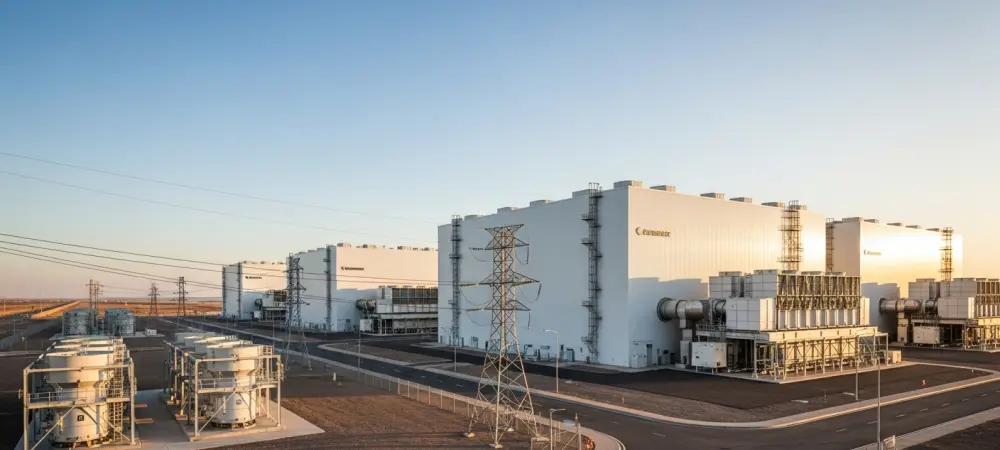
Massive infrastructure projects increasingly depend on the seamless integration of energy production and digital processing to meet the soaring power demands of artificial intelligence. Beetaloo Energy announced a $28 billion project via its subsidiary, Beetaloo Digital, to build a gigawatt-scale data center campus in Weddell, Northern Territory. This facility aims to house advanced “AI factories” using on-site gas generation, signaling a strategic shift toward industrial independence from traditional power grids. By bypassing the limitations of the existing network, the project addresses the critical need for high-capacity, uninterrupted power in the hyperscale era.
The Evolution of Energy-Intensive Infrastructure in Australia
Historically, the Beetaloo Basin focused primarily on the extraction and exportation of shale gas to global markets. However, the rapid rise of generative AI shifted location priorities from urban population centers to regions with direct energy proximity. As national grids struggle to provide the constant, high-capacity baseload requirements of modern computing, the “compute follows the fuel” model became a technical necessity. This pivot from shipping raw energy overseas to utilizing it locally for high-tech processing marks a significant transformation in the Australian industrial landscape.
Bridging the Gap Between Resource Extraction and Digital Innovation
The Power Challenge: Why On-Site Gas Generation Matters for AI
The core technical requirement involves sustaining a 2-gigawatt capacity, consuming approximately 200 terajoules of gas daily for every gigawatt produced. Unlike standard data storage hubs, AI factories perform continuous calculations that demand nearly absolute uptime, which current battery technologies cannot reliably provide for solar or wind sources alone. By sourcing fuel directly from the gas fields, the facility avoids grid fluctuations and the volatility of the broader energy market. Furthermore, the developer plans to overbuild generation capacity, potentially offering the local government a reliable surplus to strengthen the regional electricity supply.
Strategic Infrastructure: Capitalizing on Geopolitical and Technical Proximity
Positioning the campus in Weddell leverages its geography as a digital gateway to major Asian hubs like Singapore via high-speed subsea cables. This $28 billion investment spans 185 hectares, placing a massive processing hub at the intersection of resource abundance and the high-growth digital markets of the Asia-Pacific region. Realizing such a project requires a world-class consortium with specialized expertise in pipeline logistics and large-scale power generation. This collaborative approach is essential for managing the complexity of a self-sustaining industrial ecosystem that integrates energy and computing.
Navigating Regulatory Landscapes and Regional Energy Security
Despite the clear economic incentives, the proposal must navigate a complex web of environmental regulations and concerns regarding its carbon footprint. Proponents argue that creating a predictable, long-term domestic demand for gas actually justifies the infrastructure needed to benefit the entire Northern Territory. The government has already granted exclusivity over the development site, viewing it as a cornerstone for technological and regional growth. By acting as a tenant of scale, the data center facilitates the development of the basin for broader domestic use and long-term energy security.
Shaping the Future of Global Data Centers and Natural Gas
Future trends suggest that an energy-first model will define data center placement globally as power reliability becomes the primary differentiator for technological success. We are witnessing the birth of integrated energy-compute hubs that may eventually incorporate carbon capture or hydrogen blending to improve their sustainability profiles. Governments are also increasingly prioritizing sovereign compute capabilities to protect sensitive AI applications within stable jurisdictions. This shift allows resource-rich nations to transform their natural assets into high-value digital exports rather than simple raw materials.
Strategic Considerations for Investors and Policy Makers
For investors and businesses, the Beetaloo Digital project highlights the critical value of vertical integration between energy sources and digital infrastructure. Stakeholders should focus on balancing reliability with green energy goals through hybrid solutions that ensure 24/7 operational stability for hyperscale clients. Prioritizing energy security over mere urban proximity will likely yield higher returns in the increasingly competitive high-density computing market. Public-private partnerships remain vital for aligning large-scale industrial growth with national security and regional economic development.
Redefining the Intersection of Energy and Intelligence
The Beetaloo Digital project redefined the fundamental link between natural resources and the digital age. Stakeholders recognized that virtual intelligence remained deeply tethered to physical power production and adjusted their long-term strategies to prioritize energy independence. This venture proved that sovereign energy reserves provided a decisive competitive advantage in the global race for artificial intelligence supremacy. The industry eventually adopted energy reliability as the foundational metric for measuring the viability of future digital infrastructure projects.