

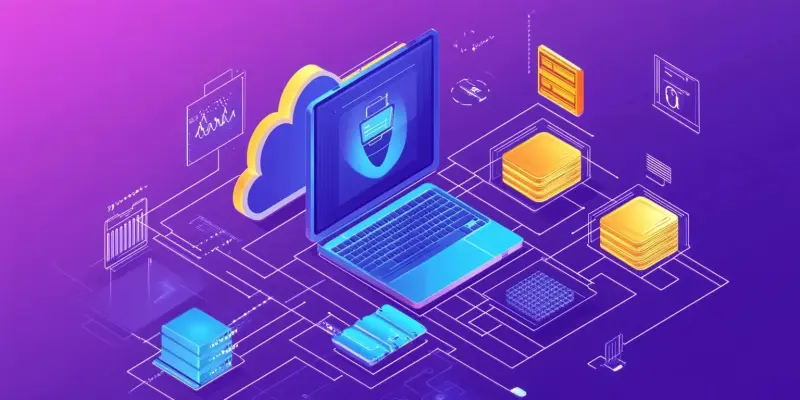
In today’s rapidly evolving digital landscape, organizations face the challenge of managing vast amounts of data efficiently and securely. The debate between cloud-based and on-premises data solutions continues to be a focal point for IT decision-makers. As businesses strive to enhance performance, manage costs, and maintain stringent security and compliance standards, the need to understand the intricacies of these data management approaches becomes increasingly vital. This article explores the complexities of cloud and on-premises solutions, highlighting the emerging trend of hybrid models that combine the strengths of both to achieve optimal efficiency.
The Rise of Cloud Scalability
Cloud computing has revolutionized enterprise IT by offering unparalleled scalability and flexibility; businesses can now easily upscale or downscale resources to match fluctuating workloads. Thanks to innovations like serverless computing and dynamic scaling, companies only pay for what they use, making cloud solutions a cost-effective option for resource management. This ability to adjust in real-time significantly enhances operational efficiency and aligns expenses with actual usage, thus avoiding the financial burden of over-provisioning.
Moreover, cloud platforms are designed to provide exceptional storage durability and minimal latency through global content delivery networks. These features ensure data is readily accessible from anywhere in the world, which is particularly advantageous for organizations with a geographically dispersed workforce. The ease of access and enhanced speed contribute to improved productivity and streamlined workflows. Consequently, many organizations are increasingly adopting cloud solutions to modernize and simplify their data management processes, ensuring they stay competitive in a fast-paced digital world.
The Enduring Relevance of On-Premises Solutions
Despite the growing popularity of cloud computing, on-premises infrastructure remains crucial for certain applications and industries requiring low latency and high data control. On-premises solutions often appeal to sectors like finance, healthcare, and government, where data sovereignty and stringent regulatory compliance are paramount. Advanced software-defined infrastructure has significantly improved resource utilization and reduced operational costs in these setups, making them more efficient and cost-effective.
Innovations in automation and artificial intelligence have further enhanced the viability of on-premises systems. Security monitoring, for instance, can now be largely automated, reducing the need for constant manual oversight while increasing the speed and efficacy of threat detection and response. This reduced manual intervention makes on-premises solutions attractive for enterprises prioritizing data sovereignty. As technology advances, on-premises infrastructure continues to be a foremost option for organizations needing full control over their data and complying with stringent industry regulations.
Embracing the Hybrid Approach
A hybrid model that combines cloud and on-premises solutions provides businesses with the best of both worlds. This approach allows companies to leverage the scalability and flexibility of the cloud while maintaining the control and compliance benefits of on-premises infrastructure. By strategically integrating dedicated networks with cloud resources, organizations can achieve up to 40% cost efficiency and enhanced resilience through redundancy and failover capabilities, ensuring continuous operation during unexpected outages.
The hybrid model is particularly beneficial for businesses aiming to optimize operational efficiency while adhering to compliance standards. It grants the flexibility to allocate workloads based on specific needs, ensuring that critical data remains secure and accessible. This model supports dynamic workloads and optimizes resource allocation, leading to significant cost savings and improved performance. As the business landscape continues to evolve, the hybrid approach becomes increasingly popular, offering organizations the ability to adapt quickly to changing requirements while maximizing the advantages of both cloud and on-premises solutions.
Ensuring Security and Compliance
Security is a paramount concern in data architecture decisions, and cloud providers invest heavily in robust security frameworks. Certifications such as SOC 2 and ISO 27001, combined with shared responsibility models, significantly reduce security incidents and enhance data protection. These certifications assure clients that data is managed according to strict standards, thus instilling confidence in cloud solutions. The scalability of cloud platforms also means security measures can be dynamically adjusted to meet the changing threat landscape, ensuring robust data protection at all times.
On the other hand, on-premises solutions offer full control over security protocols, allowing companies to implement customized security measures tailored to specific needs. For instance, adopting zero-trust architectures within these setups can markedly reduce breaches by verifying every user and device trying to access the network. Furthermore, automation in security scanning and real-time compliance monitoring enhances the security infrastructure of on-premises systems, making them resilient against potential breaches. Organizations must carefully evaluate their security requirements to choose the most suitable approach for safeguarding their data, balancing the flexibility of the cloud with the control of on-premises systems.
Economic Considerations in Data Management
Balancing capital and operational expenditures is critical when choosing between cloud and on-premises solutions. Cloud models offer a pay-as-you-go scheme that aligns costs with resource usage, making them attractive for businesses with variable workloads. This cost structure allows companies to avoid large upfront investments, spreading expenses over time. However, it is crucial to consider hidden fees such as data egress and long-term storage costs, which can add up and affect the overall budget.
Conversely, on-premises solutions require significant initial investments but offer long-term cost predictability. These setups involve purchasing hardware, software, and infrastructure, followed by regular maintenance costs. Despite the hefty upfront expense, the predictability of ongoing costs can be advantageous for long-term financial planning. Additionally, on-premises solutions can reduce deployment times and configuration errors, leading to overall cost efficiencies. By weighing the pros and cons of each approach, organizations can make informed decisions that align with their financial strategies and operational goals.
The Future of Data Architecture
IT leaders are faced with the ongoing debate between cloud-based and on-premises data solutions as they seek to optimize performance, control costs, and uphold strict security and compliance standards. Understanding the nuances of these data management strategies is increasingly critical for businesses. This article delves into the complexities of cloud and on-premises solutions, shedding light on the rising popularity of hybrid models. These hybrid approaches blend the advantages of both systems, aiming to achieve the best of both worlds for superior efficiency. By combining the scalability and flexibility of the cloud with the control and security of on-premises infrastructure, hybrid solutions offer a balanced approach. As technology advances, the ability to seamlessly integrate both cloud and on-premises systems becomes crucial for businesses striving to stay competitive and reliable in data management.