

The sheer scale of upcoming data center projects means that decisions made today will lock in Australia’s industrial energy footprint for several decades. Current discussions regarding Australia’s digital infrastructure are heavily focused on how to power massive data centers with renewable energy, yet the critical factor of physical location remains dangerously overlooked. While political leaders have hit a stalemate over energy mandates in states like Queensland and the Northern Territory, the underlying issue remains a lack of strategic oversight regarding where these facilities are built. Without a national plan for geographic distribution, Australia risks prioritizing short-term environmental targets at the expense of long-term grid stability and economic efficiency. The current race to expand digital capacity without a spatial strategy suggests that the federal government is missing a vital opportunity to synchronize industrial growth with the evolving energy landscape across the continent.
The Massive Scale and Permanence of Digital Infrastructure
Developers are currently navigating a project pipeline exceeding A$150 billion, racing to secure approvals under existing regulations that lack a cohesive national vision. This massive scale of digital infrastructure represents a permanent fixture of the Australian landscape, meaning any failure to influence their placement now will result in missed opportunities to optimize the national grid for half a century. Once these facilities are constructed, their high energy demands become an immutable part of the local ecosystem, making retrospective changes nearly impossible. The government must move quickly to ensure this industrial expansion aligns with broader national interests before the window for strategic intervention closes. By establishing a framework that incentivizes development outside of traditional urban centers, the nation can avoid the pitfalls of uncoordinated growth and ensure that the digital backbone of the economy is built with future-proofing in mind, supporting both innovation and stability.
Concentrating data centers in Sydney and Melbourne has created a significant mismatch between the rapid pace of facility construction and the slower rollout of renewable generation and transmission lines. This clustering places immense pressure on the southern grid, causing congestion that ultimately drives up electricity prices for households and small businesses alike. By allowing large industrial loads to saturate specific regions, the government inadvertently forces ordinary consumers to subsidize the infrastructure upgrades required by tech giants. Shifting the focus away from these traditional hubs is essential to maintaining affordable energy across the country while preventing localized blackouts during peak demand periods. A more balanced distribution would alleviate the strain on existing substations and reduce the need for emergency grid interventions. Addressing this geographic imbalance is no longer an optional policy goal but a fundamental necessity for maintaining the economic viability of the energy market for the remainder of this decade.
Strategic Regional Placement for Enhanced Grid Security
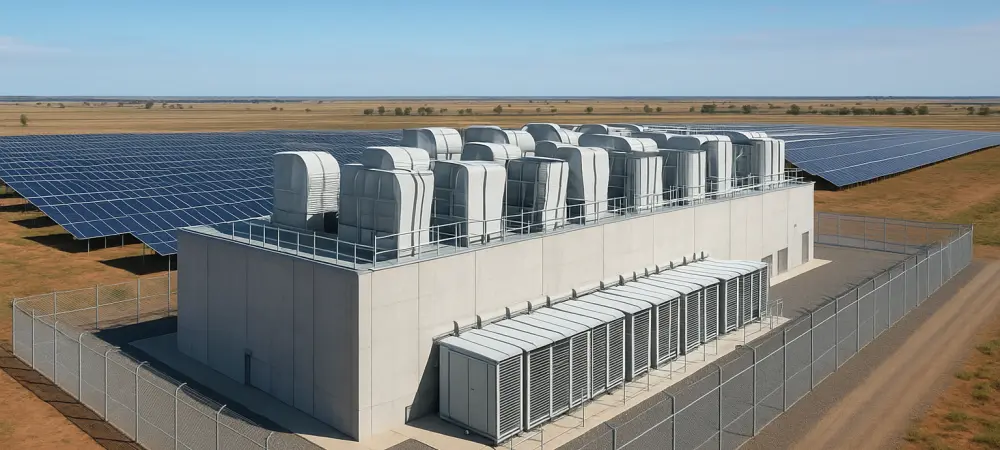
The adoption of a “Northern Strategy” provided a practical alternative to the overcrowded southern markets by utilizing the unique energy profiles of Queensland and the Northern Territory. Unlike the southern states, the Northern Territory operated an independent power system and had access to emerging gas resources, while Queensland benefited from high levels of public ownership in its energy supply chain. This approach facilitated faster, cheaper development without adding further strain to the National Electricity Market. Furthermore, the northern climate and land availability provided a distinct advantage for cooling systems and large-scale solar arrays. By tapping into these regional strengths, developers successfully achieved their operational goals while contributing to the economic diversification of the northern regions. Beyond the economic benefits, diversifying the locations of Australia’s 290 data centers was recognized as a matter of national security and resilience. The concentration of critical computing power in just two major cities created a significant strategic vulnerability that required immediate legislative action. Policymakers integrated a “locational element” into new infrastructure standards to ensure that network headroom and strategic exposure were considered in every project approval. These measures protected the nation’s digital assets from centralized failure or targeted threats while promoting a more robust national network. Future progress depended on the continuation of these geographic diversification standards, which successfully balanced industrial demand with grid capacity. Government leaders prioritized the establishment of clear zoning laws and tax incentives to drive investment toward underutilized regional corridors. This shift in policy ensured that the digital economy was built on a foundation of distributed reliability rather than concentrated risk.