

Dominic Jainy brings a sharp technical perspective to the evolving world of high-performance cooling and the complex relationship between manufacturers and consumers. As an IT professional with deep roots in machine learning and hardware applications, he has closely monitored the intersection of high-end engineering and real-world reliability. In this discussion, we explore the mechanical dangers of conductive thermal materials, the criteria for identifying “lemon” devices after multiple motherboard failures, and the problematic trend of using cosmetic imperfections to void warranties. We also touch upon the financial friction caused by unexpected repair quotes and the future of thermal interface materials in the consumer market.
High-end laptops like the ROG Strix G15 Advantage Edition use liquid metal on both CPU and GPU chips for thermal management. What are the specific manufacturing risks associated with these materials spilling onto the motherboard, and what engineering steps can prevent these spills from causing electrical shorts?
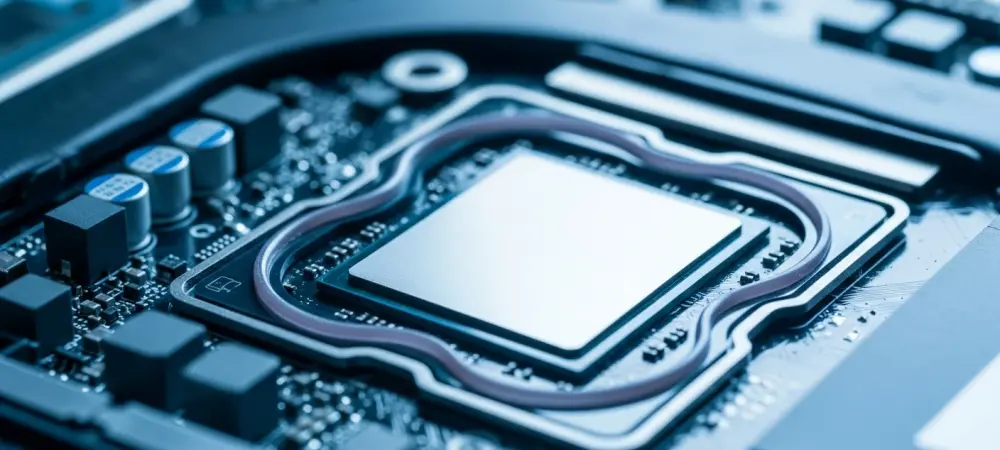
Liquid metal is essentially an alloy of gallium, indium, and tin, which is highly conductive and flows much more freely than traditional thermal paste. During the manufacturing of machines like the G15, even a microscopic misalignment of the silicon die or a slight over-application can lead to this substance migrating toward sensitive surface-mounted components. To mitigate this, engineers usually employ a physical barrier, like a sponge-like gasket or a non-conductive tape, to create a sealed environment around the chip. However, if these seals fail under the high-pressure environment of a laptop chassis or during thermal expansion, the resulting short circuit can instantly kill the motherboard. It turns a high-performance machine into an expensive paperweight because the material is so difficult to clean once it bonds with other metallic surfaces.
Some users have experienced multiple hardware failures within a short period, requiring several motherboard replacements. In cases where the same component fails repeatedly, how should a company distinguish between a recurring manufacturing defect and potential user-induced damage, and what metrics determine when a unit is considered a lemon?
When a system returns for a third motherboard replacement within just a few months, it signals a systemic structural flaw rather than an isolated incident caused by the owner. A manufacturer should look at the failure logs; if the shorting is consistently caused by liquid metal leakage in the same area, it is clearly a design or assembly defect. In the consumer electronics world, a device is often categorized as a “lemon” if it requires three or more significant repairs for the same critical issue within a short timeframe. Instead of pushing for another repair that will likely fail again, the logical move at that stage is a full unit replacement. This ensures the consumer receives a stable product and stops the cycle of shipping a defective chassis back and forth to a repair center.
Technical support teams sometimes cite cosmetic damage or bent HDMI port pins as reasons to deny warranty claims on internal hardware. How do these external issues impact the functionality of the motherboard, and what process should a consumer follow to document their device’s condition before shipping it for repair?
Using a bent HDMI pin or a minor scratch as a pretext to deny a claim for a dead motherboard often feels like a strategic move to shift the financial burden back onto the owner. While a damaged port can technically cause a short, it rarely correlates with the internal liquid metal spills that have plagued these specific laptop models. For consumers, the best defense is to take high-resolution photos and videos of the device from every angle, including every single port, before shipping it off. This provides a visual paper trail that makes it much harder for a repair center to claim user-induced damage for pre-existing or non-existent cosmetic flaws. Having a timestamped video of the laptop’s exterior condition is the strongest leverage a user has when a company tries to sidestep their warranty obligations.
When a manufacturer shifts from honoring free repairs to charging several hundred dollars for a previously covered issue, it often strains the relationship with the customer. What are the long-term consequences for brand loyalty in the gaming community, and how can a company transparently justify repair costs for “out-of-warranty” damage?
Asking a customer for $377 to fix a recurring manufacturing defect after they have already been through two RMAs is a sure way to alienate a loyal fan base. In the gaming community, where word-of-mouth and forum discussions carry immense weight, stories of denied service spread like wildfire and can tank the sales of future product lines. To justify such a cost, a company must provide photographic evidence of damage that is undeniably linked to the current failure and was not present in previous repairs. Without that transparency, it simply looks like the manufacturer is trying to “fire” a customer who has become too expensive to support under their own warranty terms. This creates a culture of distrust where users feel they are gambling with their money rather than investing in a premium product.
What is your forecast for the future of liquid metal cooling in mass-produced consumer electronics?
I expect liquid metal to remain a niche solution reserved for the highest-tier enthusiast hardware rather than becoming a standard for all consumer electronics. While the thermal benefits are undeniable, the $377 repair headaches and the risks of hardware-killing spills make it a massive liability for mass-market production lines. We will likely see manufacturers pivoting toward improved phase-change materials or advanced vapor chambers that offer similar performance with significantly lower risks of leakage. Until the sealing technology is perfected to the point where it survives the rigors of daily travel and repeated thermal cycling, the potential for motherboard shorts will keep it out of the hands of average users. The industry will eventually prioritize long-term durability over the marginal temperature drops provided by such a volatile material.