

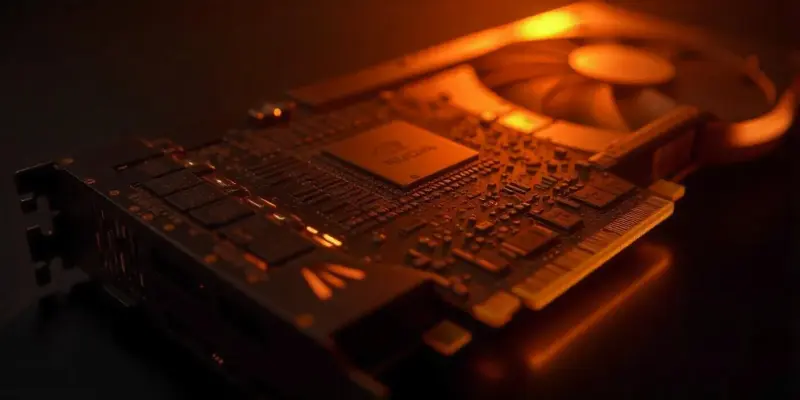
As the world of graphics processing units continues to evolve at an impressive pace, ASUS has set yet another benchmark by unveiling the RTX 5080 Noctua Edition and the ROG Astral RTX 5080 DOOM Edition cards. The first of these, the RTX 5080 Noctua Edition, comes as a result of a collaboration between ASUS and Noctua, a company revered for its top-notch cooling solutions. By integrating a triple-fan setup consisting of Noctua’s NF-A12x25 G2 120mm fans, this model elevates its cooling capabilities significantly compared to earlier designs that employed a dual-fan approach. The innovative thermal management in this card is further optimized through the use of a vapor chamber and phase-change GPU thermal pads that effectively dissipate heat. Sporting a monumental design, it includes features like a GPU Guard and bracket to ensure stability and showcases Noctua’s recognizable gray and brown color palette, which loyal customers have come to expect.
Innovative Collaborations and Design
Beyond the technological prowess, ASUS’s partnership with Noctua signifies a commitment to advanced engineering and aesthetic distinction in graphics card design. Noctua’s renowned cooling components have become essential elements within this card, echoing the importance of effective heat management amid rising demands for performance. The triple-fan setup contrasts the conventional approach by increasing airflow and decreasing the thermal constraints frequently faced by gaming enthusiasts. Additionally, the card’s vapor chamber works in tandem with specialized thermal pads to offer top-tier performance metrics. A robust stability framework, consisting of a GPU Guard and bracket, ensures that the physical integrity of the card is maintained under intense computational conditions. The familiar gray and brown theme persuasively ties the visual aspect of the card to the Noctua brand, establishing a standard that uniquely blends function with form.
Exclusive Edition With Gamer Appeal
ASUS presents the ROG Astral RTX 5080 DOOM Edition, enriched with elements from the renowned DOOM: The Dark Ages game. This limited edition graphics card retains the core features of the RTX 5080, boasting a peak clock speed of 2790 MHz. It attracts gamers with its copper-coated heatsink, enhancing its visual and functional depth. With only 666 units available, the card’s exclusivity adds to its desirability among enthusiasts. Owners gain access to DOOM-themed accessories and can opt for a game code, deeply engaging fans of the franchise. These aspects underscore ASUS’s strategy of offering thematic, high-performance graphics cards that combine captivating visuals with advanced cooling capabilities. Although pricing details remain undisclosed, such exclusive models target the high-end market, drawing consumers interested in performance and collectible value. The launch of the RTX 5080 DOOM Edition reflects ASUS’s broader commitment to innovation, blending top-tier engineering with distinctive design elements to satisfy the gaming and tech sectors’ specialized demands.