

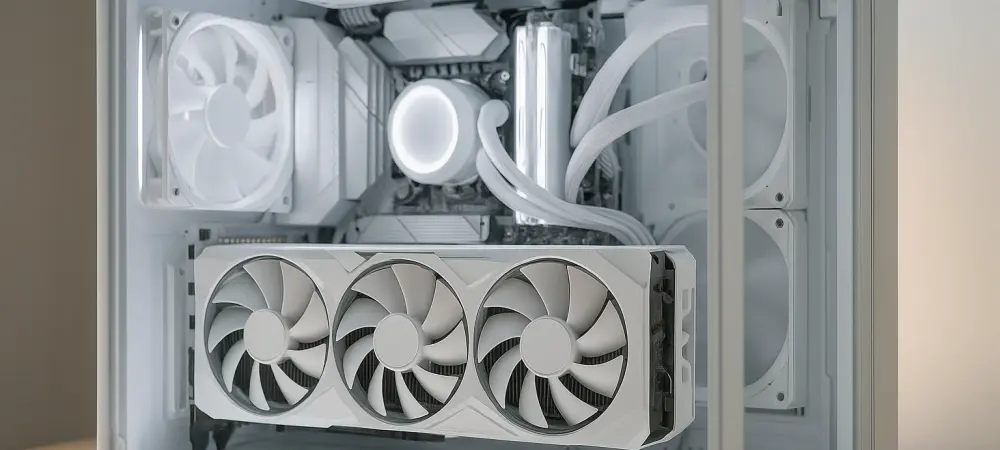
A consumer’s refusal to accept a black TUF series replacement for their failed white graphics card illustrates the increasing importance of visual synergy in the PC DIY community. In a market where enthusiasts spend thousands of dollars to achieve a specific aesthetic, the traditional “functional equivalent” policy of many manufacturers is being put to the test. This specific scenario involved an Asus customer navigating the complexities of the Return Merchandise Authorization (RMA) process, a journey often fraught with administrative hurdles and logistical delays. For most users, the goal of an RMA is simply to receive a working component, but as systems become more like personal art installations, the color and branding of a replacement have become non-negotiable features. This narrative highlights a rare instance where corporate policy met individual persistence, resulting in a resolution that not only satisfied the customer’s visual requirements but also provided a significant technological upgrade that redefined the value of the original purchase.
Navigating the Challenges of Aesthetic Hardware Replacements
Case Study: Persistence in the Face of Corporate Policy
The conflict began when a high-end Asus ROG Strix RTX 4080 Super OC, a card known for its premium white finish and high performance, failed during normal operation. Upon shipping the defective unit to the manufacturer’s repair facility, it was determined that the hardware was unfixable, necessitating a complete replacement under the terms of the warranty. Asus initially attempted to resolve the issue by offering a black RTX 5080 from their TUF Gaming line. While this offer technically represented a leap in generational architecture, moving from the previous generation to the latest 50-series, it ignored the specific aesthetic value of the original component. The customer argued that the TUF series sat at a lower brand tier compared to the ROG Strix and that the color disparity would fundamentally break the visual theme of their meticulously curated all-white computer build. This mismatch sparked a multi-week negotiation regarding the definition of a fair product replacement.
Over a period of six weeks, the consumer engaged in a persistent exchange of emails with support representatives, refusing to settle for the black TUF model. This process required multiple escalations to higher-level management to ensure that the request for a color-matched and brand-appropriate card was taken seriously. The user maintained that the premium paid for the original ROG Strix model was not just for the silicon itself, but for the entire ecosystem of design and performance that the brand represents. By documenting the importance of the white color scheme to the overall system value, the customer successfully argued that a black replacement would be a downgrade in utility, despite the newer chipset. This persistence reflects a growing trend among hardware enthusiasts who view their components as integral parts of a larger design language, forcing manufacturers to reconsider their standard replacement protocols when dealing with luxury or specialty hardware lines in the current market.
Resolution: A Successful Outcome and Premium Logistics
Recognizing the unique nature of the request and the customer’s steadfast refusal of the initial offer, Asus eventually relented and approved the shipment of a white ROG Astral RTX 5080 OC. This card not only matched the white aesthetic of the original failed unit but also maintained the high-tier branding that the customer had initially purchased. The transition to the Astral sub-brand within the ROG family ensured that the build would retain its premium look while benefiting from the latest cooling technologies and power delivery systems developed for the 50-series lineup. This decision by the manufacturer marked a significant departure from rigid corporate guidelines, acknowledging that for high-end builds, the “form” of a component is often as critical as its “function.” The resolution demonstrated that even large corporations can exhibit flexibility when a consumer provides a logical and detailed case for why a standard replacement fails to meet the specific needs of a high-end system.
To finalize the positive resolution of this six-week ordeal, the manufacturer provided FedEx Standard Overnight shipping at no additional cost to the customer. This gesture ensured that the high-value replacement reached the user immediately, minimizing any further downtime for a system that had already been out of commission for over a month. The inclusion of premium shipping served as a form of goodwill, repairing the relationship between the consumer and the brand after a lengthy and potentially frustrating negotiation period. For the user, receiving a brand-new, white 50-series graphics card via overnight delivery transformed a stressful warranty claim into a major hardware windfall. This case study serves as a valuable example of how a successful RMA outcome can bolster brand loyalty, as the user ultimately received a product of higher market value and performance than what they originally owned. The logistics of the final delivery phase emphasized the manufacturer’s commitment to correcting the situation once an agreement was reached.
Analyzing the Performance Gains of the RTX 50-Series
Benchmarks: Quantifiable Improvements in Gaming Performance
The technical benefits of this replacement are substantial, as the RTX 5080 offers a measurable performance boost over the outgoing RTX 4080 Super across a wide variety of modern applications. Benchmarks conducted in the demanding title Black Myth: Wukong reveal the true extent of this generational leap when running at a 1440p resolution with high-quality settings. While the previous-generation RTX 4080 Super remains a powerful contender with an average frame rate of 121 FPS, the newer RTX 5080 architecture pushes that average up to 132 FPS. This increase in raw frame production allows for a more fluid visual experience, particularly in fast-paced action sequences that tax the GPU’s processing cores. The ability to maintain such high performance while managing the complex lighting and particle effects of modern game engines highlights the efficiency of the updated architecture. For the consumer, this means that their warranty replacement has effectively extended the top-tier gaming capabilities of their personal computer for years to come.
Perhaps more important than the average frame rate is the improvement in frame consistency, measured by the “1% low” performance metric. In the same testing environment, the RTX 4080 Super recorded 1% lows of 94 FPS, whereas the new RTX 5080 managed a significantly higher 116 FPS. This reduction in the performance delta between the average and the minimum frame rates translates to a noticeably smoother experience with fewer micro-stutters or sudden drops in fluidity. High 1% lows are a hallmark of high-end enthusiast hardware, as they ensure that gameplay remains stable even during the most graphically intensive moments. By moving to the 50-series card, the user gained a level of stability that was simply not achievable on the older hardware. This improvement in the “floor” of performance is often more valuable to gamers than a higher “ceiling,” as it directly impacts the perceived quality of the gaming experience. The replacement thus provided a functional upgrade that improved both the speed and the reliability of the system’s visual output.
Future-Proofing: Architectural Advances and Long-Term Value
Beyond immediate frame rate improvements, the transition to the 50-series architecture provides the user with access to the latest advancements in Deep Learning Super Sampling (DLSS) technology. These software features are often hardware-locked to the newest generations of silicon, meaning the owner of an RTX 5080 can utilize more efficient upscaling and frame generation algorithms that were unavailable on the 40-series. This architectural shift ensures that the card will remain compatible with the most demanding features of upcoming game releases throughout 2026 and 2027. The enhanced AI processing units within the new GPU allow for better image reconstruction and lower latency, which are critical for maintaining a competitive edge in modern gaming. For a consumer who originally invested in a high-end card, this upgrade through the RMA process represents a significant increase in the long-term value of their hardware. The newer card is equipped to handle future software updates and driver optimizations that will inevitably phase out support for older generations.
The success of this specific advocacy effort highlighted that for expensive, enthusiast-grade hardware, it was often worth the effort to fight for a perfect replacement. This event demonstrated that when manufacturers recognized the importance of aesthetic cohesion, the results benefited both the consumer’s satisfaction and the brand’s reputation. Moving forward, users should document their system’s visual requirements and tier expectations when initiating warranty claims to ensure that “comparable” offers truly match the original purchase. Manufacturers are advised to refine their RMA protocols to account for color and sub-brand tiers, as these factors have become primary drivers of value in the modern DIY market. The resolution of this case provided a roadmap for future interactions, where persistence and clear communication led to an outcome that exceeded the standard expectations of a warranty agreement. By standing their ground, the consumer turned a hardware failure into a strategic upgrade that ensured their system remained at the cutting edge of both design and performance for the foreseeable future.