

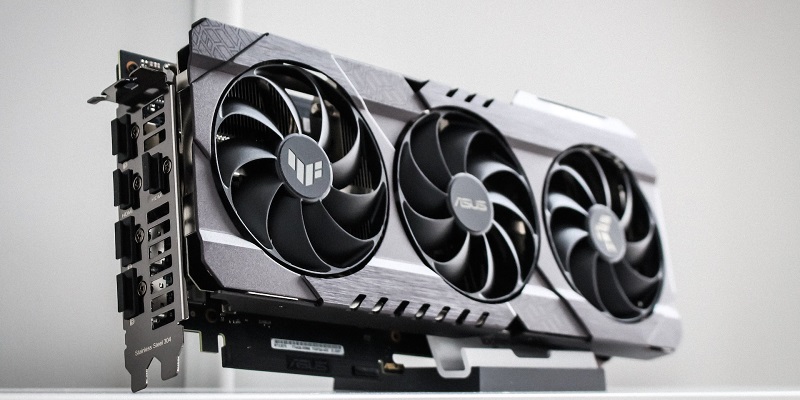
The ASUS GeForce RTX 4090 ROG MATRIX Platinum has emerged as one of the most expensive graphics cards on the market. With a staggering MSRP of $3199 US, it surpasses the price of the reference card by a factor of two. However, the situation in China is even more extreme, as the actual retail prices of this high-end GPU have skyrocketed, far exceeding the official MSRP. Additionally, an import ban has been imposed on the NVIDIA GeForce RTX 4090, exacerbating the scarcity of this premium GPU. Moreover, allegations of retailer involvement in scalping have further complicated the availability and affordability of the RTX 4090 GPUs. Let’s delve into the details.
Price Comparison
While the MSRP for the ASUS GeForce RTX 4090 ROG MATRIX Platinum is already quite steep at $3199 USD, its official MSRP in China was set at 23,000 RMB ($3155 USD). A significant discrepancy arises when we examine the actual retail prices that consumers have to pay for this graphics card.
Actual Retail Prices in China
In China, retailers have taken advantage of the ASUS GeForce RTX 4090 ROG MATRIX Platinum’s popularity and inflated its prices to unprecedented levels. For instance, the card is currently listed on JD for a staggering 59,999 RMB or $8,230 US. Notably, this price exceeds the regional MSRP by more than double and is around five times higher than the US MSRP.
Import Ban in China
Adding to the woes of Chinese consumers, the NVIDIA GeForce RTX 4090 faces an import ban in the country. While retailers have stockpiled significant quantities of the RTX 4090 GPUs and manufacturers have access to AD102 GPUs for the DIY market, this situation has done little to alleviate the soaring prices.
High Prices
Even without considering the inflated prices driven by scalping, the majority of RTX 4090 GPU models in China have starting prices close to 19,000 RMB ($2600 US). This already represents a significant $1000 US price increase from the official US MSRP.
Official MSRP in China
It is essential to note that the official MSRP for the NVIDIA GeForce RTX 4090 GPU in China was set at 12,999 RMB or $1,780 US. Given the current market conditions, it is clear that consumers are being forced to pay exorbitant premiums.
Scalping Allegations
Moreover, disturbing reports from consumers and industry insiders have emerged, alleging the involvement of retailers in scalping these highly sought-after GPUs. Despite claims of ample stock availability, the artificially inflated prices persist, leading to increased frustration among consumers.
The ASUS GeForce RTX 4090 ROG MATRIX Platinum has caused a stir in the market due to its excessively high prices, particularly in China. The import ban, along with accusations of scalping by retailers, has further aggravated the situation. Consequently, Chinese consumers are facing prices that significantly exceed the official MSRP, making it increasingly difficult to acquire this high-performance GPU. The broader impact of these circumstances on the market and the effectiveness of potential measures to address these exorbitant prices are yet to be determined.