

Introduction
The convergence of professional gaming excellence and cutting-edge hardware design has reached a new peak through a collaborative effort between ASUS and the legendary T1 esports organization. This partnership introduces a series of graphics cards that do more than just render frames; they serve as a physical testament to the achievements of world-champion players. By merging technical prowess with the iconic aesthetic of one of the most successful teams in history, these components offer fans a chance to own a piece of competitive history while upgrading their digital experiences. The primary objective of this exploration is to examine the specific details of the newly released T1 GeForce RTX 5070 OC and the T1 GeForce RTX 5060 Ti OC. Readers can expect an in-depth look at the unique visual elements that set these models apart from standard hardware, alongside an analysis of their performance capabilities. This guide addresses the technical specifications and the collector value inherent in such a high-profile collaboration, providing a clear picture of what these special edition units bring to the enthusiast market.
Key Questions or Key Topics Section
What Defines the Visual Identity of These Special Edition Cards?
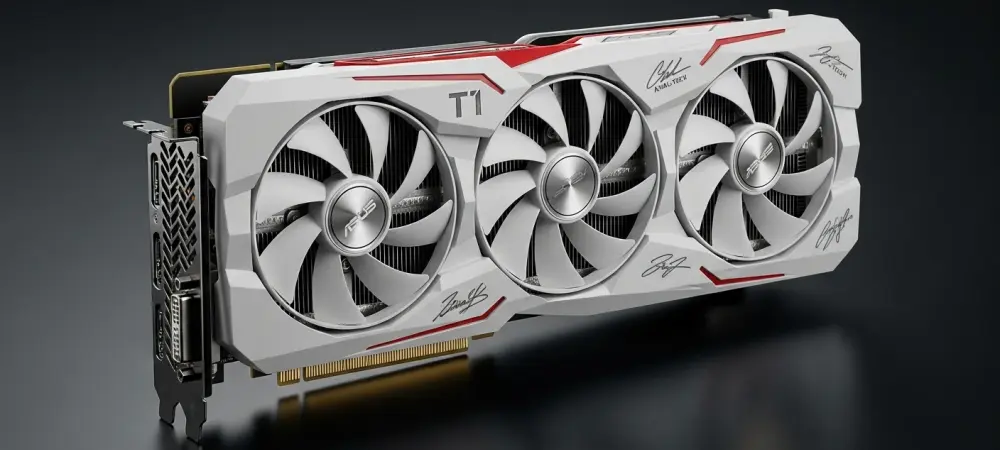
Design remains the cornerstone of this collaboration, as the hardware serves as a canvas for the “never-say-die” spirit of the T1 organization. The aesthetics go far beyond simple color changes, integrating the identity of the team into the very structure of the GPU shroud and cooling system. This approach ensures that the hardware is instantly recognizable to any fan of professional League of Legends. The RTX 5070 model utilizes a sophisticated black and white shroud complemented by sharp red accents, featuring a robust triple-fan cooling system that utilizes high-performance Axial-tech fans. In contrast, the RTX 5060 Ti variant opts for a bold white-and-red color scheme within a compact 2.5-slot design. Both models feature customized backplates decorated with the portraits and signatures of the T1 players, effectively transforming these functional components into high-end memorabilia for collectors.
How Do the Technical Specifications Compare Between the Two Models?
While the visual flair is a major selling point, the underlying power of these GPUs ensures they remain competitive in a crowded market. ASUS has ensured that both models provide the reliability and speed expected from their overclocked series, catering to users who demand stability during intense gaming sessions. Each card is engineered to maintain optimal thermal performance even when pushed to its factory-overclocked limits. The RTX 5070 OC stands as the more powerful option, reaching a factory-overclocked boost speed of 2595 MHz to handle demanding workloads. The RTX 5060 Ti OC offers a more streamlined profile but maintains the high-quality construction required for modern gaming. Moreover, the inclusion of exclusive T1-themed magnets and stickers in the retail packaging adds a layer of tangible value that extends beyond the digital performance of the silicon itself.
Is This Hardware Intended Solely for League of Legends Enthusiasts?
Although the branding clearly targets the fanbase of the world-champion team, the actual performance capabilities of these cards extend far beyond the requirements of esports titles. League of Legends is known for being accessible on a wide range of hardware, yet these GPUs are built to handle the most resource-intensive applications available today. This creates a versatile product that appeals to both the dedicated fan and the general high-end PC builder. These cards are specifically designed to tackle modern AAA titles at 1440p resolution on ultra settings without breaking a sweat. Consequently, users who invest in this hardware are not just buying a tribute to their favorite team, but also a powerful tool for a diverse gaming library. This intersection of high-end components and esports culture highlights a growing trend where manufacturers use specialized branding to differentiate mid-range product stacks for a more engaged audience.
Summary or Recap
The collaboration between ASUS and T1 results in a unique blend of high-performance engineering and commemorative design through the release of the RTX 5070 and RTX 5060 Ti OC models. These graphics cards stand out in the market due to their player-signed backplates, specialized color schemes, and factory-overclocked speeds. They provide more than enough power for top-tier gaming while serving as a rare collector’s item for fans of the iconic esports organization. While official pricing remains undisclosed, the technical details confirm that these units are ready for the most demanding software.
Conclusion or Final Thoughts
The launch of these special edition cards demonstrated how hardware manufacturers could successfully bridge the gap between technical utility and fan engagement. By integrating the signatures and legacy of the T1 roster into the physical build of the GPUs, ASUS created a product that held emotional weight for its target demographic. This move suggested that the future of PC component marketing would likely involve more deep-seated cultural partnerships. Collectors and builders alike were encouraged to look toward these releases as a way to personalize their setups with hardware that reflected a specific competitive spirit. Moving forward, the success of this line showed that there was a significant appetite for hardware that tells a story.